


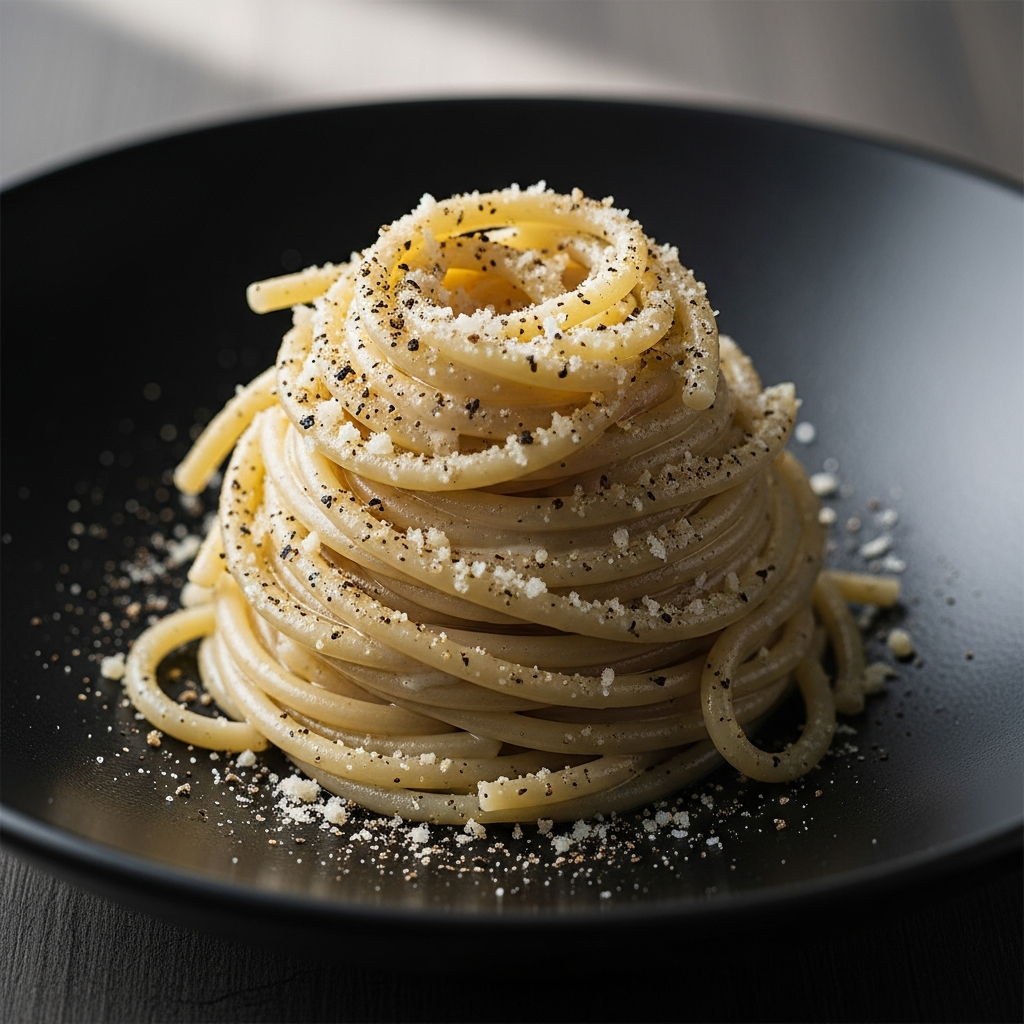
In the rich tapestry of Italian cuisine, few dishes boast the elegant simplicity and bold flavor of cacio e pepe. Traditionally a humble Roman pasta combining just three ingredients-pecorino cheese, black pepper, and pasta-this classic has captivated taste buds for centuries. Yet, for those navigating the challenges of gluten intolerance or celiac disease, indulging in this beloved comfort food often means missing out on its irresistible charm.Enter gluten-free cacio e pepe: a brilliant, allergy-friendly twist that preserves the soul of the original while welcoming everyone to the table. Join us as we explore how this timeless favorite transforms to embrace modern dietary needs without sacrificing its iconic flavor.
Gluten-Free Cacio e Pepe offers a delightful culinary journey were tradition meets thoughtful adaptation. This iconic Roman pasta, celebrated for its simplicity, is transformed here with a gluten-free foundation that embraces every nuance of creamy texture and peppery warmth. Growing up watching nonna prepare cacio e pepe with effortless grace, I learned that the magic of this dish lies in the sauce-an emulsion of cheese, pasta water, and black pepper that coats each strand flawlessly. with careful ingredient choices and technique, this allergy-friendly twist ensures no one misses out on the authentic Italian experience.
prep and Cook Time
- Readiness: 10 minutes
- Cooking: 15 minutes
- Total Time: 25 minutes
Yield
Serves 2 generous portions
Difficulty Level
Medium – mastering the sauce requires attention, but the results are well worth the effort.
Ingredients
- 7 oz (200 g) gluten-free spaghetti (choose one made from brown rice or corn for best texture)
- 1 ½ cups finely grated Pecorino Romano cheese (freshly grated for creaminess)
- 1 teaspoon freshly cracked black pepper (plus extra for garnish)
- 1 tablespoon unsalted butter (adds silkiness without overpowering)
- 1 teaspoon extra virgin olive oil (to lightly coat the pasta and prevent sticking)
- Salt (for boiling water)
- 1 cup reserved pasta cooking water (hot and starchy, essential for the sauce)
Instructions
- Bring a large pot of salted water to a rolling boil. Add the gluten-free spaghetti and cook until just shy of al dente (usually 1-2 minutes less then package instructions). This prevents overcooking during sauce preparation.
- While pasta cooks, toast freshly cracked black pepper in a dry skillet over medium heat for 1 minute or until aromatic. this step unlocks its essential oils and deepens flavor.
- Reserve 1 cup of the starchy pasta water before draining. Then drain pasta and immediately toss with the extra virgin olive oil to prevent clumping.
- Return the drained pasta to the pot over low heat. Add unsalted butter and toasted pepper; stir to melt the butter and evenly coat the strands.
- Gradually sprinkle in the finely grated Pecorino Romano, tossing continuously to combine. Slowly add reserved pasta water in small increments to form a creamy emulsion, scraping the bottom to incorporate the flavorful pasta starch.
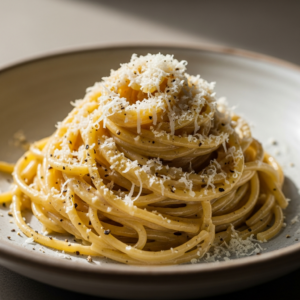
- Once the sauce clings luxuriously to every thread of pasta, remove from heat and serve immediately, garnished with additional cracked black pepper and a light dusting of Pecorino Romano.
Tips for Success
- Use freshly ground Pecorino Romano for optimal melt and flavor; pre-grated cheese often contains anti-caking agents that hinder emulsification.
- Work quickly and toss continuously when combining cheese and pasta water to avoid clumps and achieve a glossy finish.
- Be generous but gradual with pasta water; too much can thin the sauce, while too little will make it crumbly.
- If your sauce feels thick or clumpy, add a splash more hot water and toss vigorously to revive creaminess.
- Experiment with gluten-free pasta brands to find the one that holds shape and texture best for sauce coating.
- This dish is best enjoyed fresh but can be gently reheated in a skillet with an extra splash of water, stirring constantly.
Serving Suggestions
Present this gluten-free cacio e pepe on warm plates to maintain that silky texture. Dress with a final crack of black pepper and a sprinkle of Pecorino Romano for visual contrast and an extra punch of flavor. Pair with a crisp green salad featuring arugula and lemon vinaigrette to cut through the richness. For a cozy touch, crusty gluten-free bread makes an excellent companion to soak up every last drop of sauce.

Nutritional Information
| Nutrient | Per Serving |
|---|---|
| Calories | 460 kcal |
| Protein | 22 g |
| Carbohydrates | 58 g |
| fat | 14 g |
For those intrigued by Italian classics made accessible, explore our detailed gluten-free Italian pasta recipes. To deepen your knowledge on the rich traditions behind Pecorino Romano cheese, visit the official Pecorino Romano Consortium site.
Q&A
Q&A: Gluten-Free Cacio e Pepe – Classic Taste, Allergy-Friendly Twist
Q1: What is Cacio e Pepe, and why is it considered a classic Italian dish?
A1: Cacio e Pepe, literally meaning “cheese and pepper,” is a minimalist Roman pasta dish renowned for its simple yet bold flavors. Traditionally, it combines just a few ingredients-pasta, Pecorino Romano cheese, freshly cracked black pepper, and pasta water-creating a creamy, peppery sauce that perfectly coats the noodles. Its elegance lies in its simplicity, making it a beloved staple of Italian cooking.
Q2: Can Cacio e Pepe be made gluten-free without losing its authentic taste?
A2: Absolutely! The key to maintaining the classic flavor is focusing on quality, flavor-packed ingredients and mastering the technique. Using gluten-free pasta that mimics the texture of conventional spaghetti or tonnarelli helps preserve the authentic mouthfeel. Pair that with freshly grated Pecorino Romano and freshly cracked black pepper, and you have a dish that’s just as satisfying-yet safe for those with gluten sensitivities.
Q3: Best gluten-free pasta for this recipe?
A: Choose brown rice, quinoa, or corn-based pasta for a firm, non-mushy texture. Gluten-free spaghetti or linguine shapes work best because they hold the sauce well.
Q4: How to make the creamy sauce without cream or butter?
A: Create an emulsion by mixing hot, starchy pasta water with grated Pecorino Romano. Add the cheese slowly off the heat and stir constantly to form a smooth, silky sauce without clumps.
Q5: Can other cheeses be used for a dairy-free or allergy-friendly version?
A5: While Pecorino Romano is traditional, those avoiding dairy can experiment with sharp nut-based cheeses or nutritional yeast for a cheesy flavor. However, these substitutions will alter the classic taste and texture. for a strict gluten-free yet dairy-friendly option, sticking with authentic pecorino offers the best balance of traditional taste and allergy-conscious cooking.
Q6: How critically important is the black pepper in this dish?
A6: Black pepper is the soul of Cacio e Pepe-it provides the spicy warmth and depth that elevates the dish. Freshly cracked black pepper is a must; pre-ground versions lack the punch and aromatic oils necesary for that signature peppery kick. Toasting the pepper seeds lightly before crushing them can also enhance the flavor, adding a subtle smoky note.
Q7: What are some creative ways to garnish or elevate gluten-free Cacio e Pepe?
A7: Keep it simple to honor tradition-perhaps a sprinkle of extra Pecorino Romano or a few twists of freshly cracked black pepper. For a playful twist, add a hint of lemon zest for brightness or a scattering of toasted pine nuts for texture. Fresh herbs like finely chopped parsley can introduce a pop of color without detracting from the classic profile.
Q3: Best gluten-free pasta for this recipe?
A: Brown rice, quinoa, or corn-based pasta works best. Gluten-free spaghetti or linguine shapes hold the sauce well and keep a firm bite.
Q4: How to make the creamy sauce without cream or butter?
A: Use starchy pasta water and Pecorino Romano to create an emulsion. Add cheese gradually off the heat, stirring constantly to keep it smooth and clump-free.
Q8: Is Cacio e Pepe suitable for other allergies?
A: Mostly yes. It contains dairy but is naturally free from nuts, soy, and eggs. Always check gluten-free pasta labels for cross-contamination.
Q9: Why is gluten-free Cacio e Pepe good for allergy-conscious eaters?
A: Its simple ingredients and minimal substitutions make it a clean, safe, and satisfying dish for many dietary needs.
Q10: Any tips for perfecting gluten-free Cacio e Pepe at home?
A10: cook the gluten-free pasta slightly al dente so it holds up during tossing, reserve plenty of starchy pasta water, and off-heat gently incorporate the cheese to create a creamy sauce. Use plenty of freshly cracked black pepper and serve immediately-this dish is best enjoyed hot, highlighting the harmony of cheese and spice in every bite.
This Q&A shines a spotlight on how a centuries-old Italian classic can be reimagined to suit gluten-free diets without sacrificing authenticity or flavor-a flavorful example of culinary tradition meeting modern allergy-friendly cooking.
In Conclusion
crafting a gluten-free cacio e pepe is more than just a culinary adjustment-it’s a party of tradition meeting inclusivity. This allergy-friendly twist invites everyone to savor the timeless harmony of Pecorino Romano and cracked black pepper, proving that dietary restrictions need not come at the cost of flavor or authenticity. Whether you’re gluten-intolerant or simply curious to try a new take on a Roman classic,this recipe bridges the gap between heritage and health,making every forkful a delicious reminder that great food belongs to all. So next time you crave that simple, comforting dish, remember: gluten-free doesn’t mean flavor-free-it means freedom to enjoy, share, and delight in every bite.