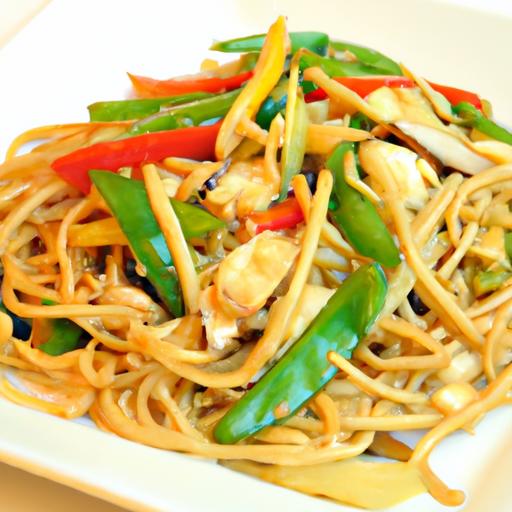
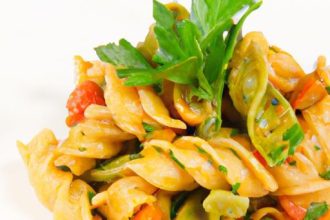

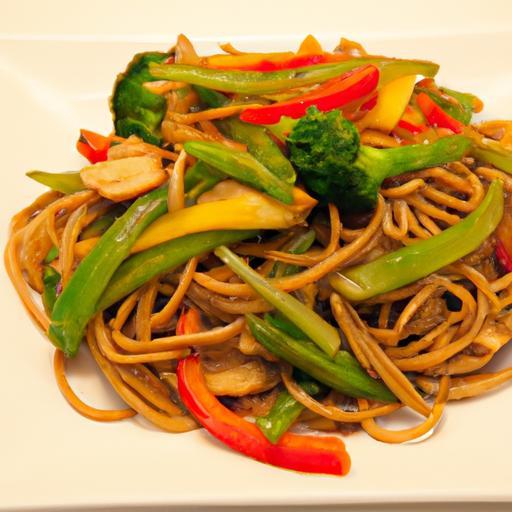
In a world where culinary traditions meet contemporary health choices, the beloved comfort of Lo Mein gets a vibrant makeover. Enter the realm of wholesome gluten-free Lo Mein-a dish that honors its rich heritage while embracing the needs of today’s mindful eaters. This tasty twist on tradition combines the savory allure of classic Asian flavors with nourishing, gluten-free ingredients, proving that dietary restrictions don’t mean sacrificing flavour or satisfaction. Whether you’re a gluten-intolerant foodie or simply curious about a healthier alternative, this article will guide you through the art of crafting a Lo Mein that’s as wholesome as it is appetizing.
Wholesome Gluten-Free Lo Mein invites you into the vibrant world of authentic Chinese comfort food, reimagined for those embracing a gluten-free lifestyle. This dish marries the charm of conventional lo mein’s silky, chewy noodles with carefully selected, gluten-free alternatives that do not compromise on flavor or texture. Drawing inspiration from bustling asian street markets, where the sizzle of a wok and aromatic hints of soy mingle in the air, this recipe transforms everyday ingredients into a nourishing, soul-satisfying meal perfect for any occasion.
Prep and Cook Time
- Preparation: 20 minutes
- Cooking: 15 minutes
- Total: 35 minutes
yield
- Servings: 4 generous portions
Difficulty Level
- Easy to Medium – approachable for home cooks with basic knife skills and comfort using a wok or large skillet
ingredients
- 8 oz gluten-free rice noodles, preferably wide and fresh if possible
- 2 tbsp sesame oil (divided)
- 1 cup julienned carrots, fresh and crisp
- 1 cup thinly sliced bell peppers (red or yellow for visual appeal)
- 1 cup snap peas, trimmed
- 3 green onions, thinly sliced
- 3 cloves garlic, minced
- 1-inch piece fresh ginger, grated
- ½ cup gluten-free tamari sauce (or coconut aminos for a lighter twist)
- 1 tbsp toasted sesame seeds for garnish
- 1 tbsp pure maple syrup or honey (optional for subtle sweetness)
- Freshly ground black pepper to taste
- ½ tsp crushed red pepper flakes (optional for slight heat)
Instructions
- Prepare the gluten-free noodles: Bring a large pot of salted water to a boil. Gently add the rice noodles and cook according to package instructions, usually 4-6 minutes for al dente texture. Drain immediatly and rinse under cold water to stop cooking and prevent sticking. Toss with 1 tbsp sesame oil to keep them glossy and separated.
- Heat your wok or large skillet: Over medium-high heat, warm the remaining 1 tbsp of sesame oil until shimmering but not smoking. This is key for that classic wok flavor and ensures vibrant caramelization.
- Sauté aromatics: Add the minced garlic and grated ginger, cooking for 30 seconds until fragrant. Be careful not to let them burn, which can turn bitter.
- Add vegetables: Toss in the julienned carrots, bell peppers, and snap peas. Stir-fry for 3-4 minutes, stirring frequently to maintain crisp-tender vegetables that still have vibrant color and bite.
- Incorporate the noodles: Add the prepared noodles back to the wok along with sliced green onions. Pour in the gluten-free tamari sauce,and if desired,drizzle with maple syrup for an understated balance of savory and sweet. Gently toss everything together, making sure the noodles absorb the sauce evenly.
- Final touches: Sprinkle with crushed red pepper flakes and freshly ground black pepper. Continue tossing and stir-frying for another 2 minutes until heated through and perfectly coated.
- Serve immediately: Transfer to a warm serving dish and garnish liberally with toasted sesame seeds for nutty crunch and visual contrast.
Tips for Success
- Choose fresh gluten-free noodles when possible. Fresh or frozen rice noodles yield a tender chew closer to traditional wheat lo mein than dried varieties.
- do not overcook the noodles. Staying true to that iconic lo mein texture means draining and rinsing as soon as they reach al dente, then finishing stir-frying in the wok.
- high heat is essential. It helps you achieve that slightly smoky wok hei flavor without drying out the noodles or vegetables.
- Personalize your vegetables: Broccoli florets, baby corn, or shiitake mushrooms make excellent additions.
- Make ahead: Cooked noodles can be prepared up to a day in advance tossed with sesame oil; just stir-fry with fresh vegetables before serving.
- Swap tamari for coconut aminos for a soy-free version or if you prefer a milder sweetness.
Serving Suggestions
This wholesome gluten-free lo mein shines as a standalone meal, but for richness and protein, pair with crisp pan-seared tofu cubes or steamed edamame. Brighten the plate with fresh cilantro leaves or thin ribbons of nori tossed on top. A wedge of lime squeezed over just before serving adds a zesty brightness. Serve alongside a refreshing cucumber salad or simple miso soup to create a balanced and colorful spread.

| Nutrient | Per Serving |
|---|---|
| Calories | 320 kcal |
| Protein | 8 g |
| Carbohydrates | 54 g |
| Fat | 7 g |
For a deeper dive into gluten-free Asian cooking techniques, check out our complete guide to gluten-free Asian cooking. To learn more about sourcing high-quality gluten-free noodles, visit Gluten Free Watchdog for verified product reviews and resources.
Q&A
Wholesome Gluten-Free Lo Mein: A Tasty Twist on Tradition – Q&A
Q1: What makes traditional lo mein not gluten-free, and how can it be adapted?
A1: Traditional lo mein typically uses wheat-based noodles and soy sauce, both of which contain gluten. To make a gluten-free version, we swap out the wheat noodles for gluten-free alternatives like rice noodles, buckwheat soba (check labels), or specially made gluten-free lo mein noodles. For the sauce, tamari or gluten-free soy sauce replaces regular soy sauce, ensuring the entire dish remains gluten-free without compromising flavor.
Q2: Can gluten-free lo mein still capture the authentic taste and texture?
A2: Absolutely! While gluten-free noodles might have a slightly different bite or texture, the magic lies in balancing the sauce, veggies, and proteins.Using the right gluten-free noodles that hold up well during stir-frying, combined with a rich, umami-packed sauce, helps recreate that beloved lo mein experience-with a wholesome twist.
Q3: What wholesome ingredients can enhance a gluten-free lo mein?
A3: Embrace colorful vegetables like bell peppers, snap peas, carrots, mushrooms, and bok choy for crunch and nutrition. Protein sources such as tofu, chicken, shrimp, or tempeh add substance and flavor. Adding aromatic elements like garlic, ginger, and scallions enriches the dish’s depth, while garnishing with toasted sesame seeds or fresh cilantro provides delightful finishing touches.
Q4: How can you ensure the sauce is gluten-free yet full of flavor?
A4: Opt for tamari or certified gluten-free soy sauce as a foundation.Mix in freshly grated ginger, minced garlic, a touch of honey or maple syrup for sweetness, plus sesame oil for nutty warmth. A splash of rice vinegar and a hint of chili flakes can add brightness and a gentle kick,rounding out a vibrant,balanced sauce.
Q5: Is gluten-free lo mein suitable for meal prepping?
A5: Yes! To keep noodles from becoming mushy, slightly undercook them before stir-frying. Store the sauce separately if possible, and toss just before reheating.This approach preserves texture and flavor, making it perfect for fast lunches or dinners throughout the week.Q6: are there any tips for cooking gluten-free noodles perfectly?
A6: Different gluten-free noodles vary in cooking times and methods. Always check package instructions and rinse noodles under cold water immediately after boiling to stop cooking and reduce stickiness. Gentle tossing in the wok with oil prevents clumping and gives that coveted chewy chew.
Q7: Can this gluten-free lo mein be made vegan?
A7: Certainly! Swap any animal proteins with plant-based options like tofu, tempeh, or a medley of mushrooms. keep the sauce vegan by omitting honey and using maple syrup or agave nectar rather. This way, everyone can enjoy a wholesome, flavorful meal that aligns with their dietary preferences.
Q8: What sets this wholesome gluten-free lo mein apart from other Asian stir-fries?
A8: This lo mein takes tradition and reimagines it through a wholesome, gluten-free lens-celebrating nourishing ingredients without sacrificing taste. It’s a vibrant medley of textures, colors, and flavors that respect dietary needs while honoring culinary heritage, making it both a comforting and exciting dish.
this Q&A sheds light on the art of crafting a gluten-free lo mein that’s as wholesome as it is indeed delicious, offering readers practical tips and creative inspiration to enjoy a timeless classic without gluten.
Key takeaways
As you embark on your culinary adventures with this wholesome gluten-free lo mein, remember that tradition doesn’t have to be rigid-it’s a living, breathing story that welcomes fresh chapters. This tasty twist not only honors the rich flavors of classic lo mein but also embraces dietary mindful choices, proving that delicious and nourishing can go hand in hand.So next time you crave that comforting stir-fry, let this vibrant, gluten-free version be your go-to, turning mealtime into a joyful festivity of health and heritage. Happy cooking, and even happier eating!