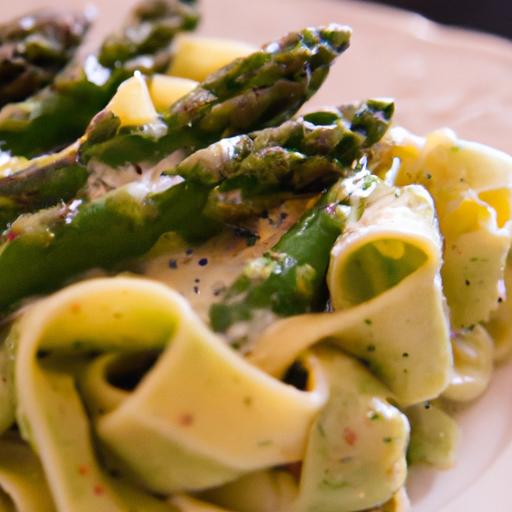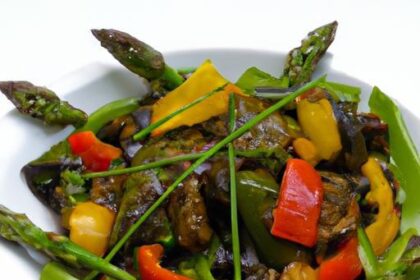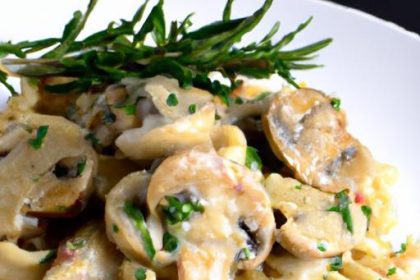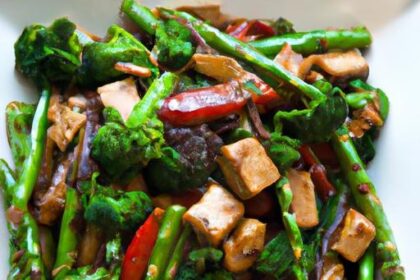

When it comes to reinventing dinner,sometimes the simplest ingredients create the most memorable meals. Enter gluten-free pasta with asparagus-a vibrant, nourishing duo that promises to elevate your weekday dinner with its fresh flavors and wholesome goodness. as more people embrace gluten-free lifestyles or simply seek lighter,nutrient-packed options,this dish stands out as a tasty answer: easy to prepare,delightfully crisp,and beautifully balanced. Join us as we explore how this fresh twist on a classic pasta dinner can transform your kitchen routine and tantalize your taste buds with every bite.
Selecting the Best Gluten-free Pasta for a Perfectly Textured Dish
Gluten-free pasta with asparagus shines brightest when you start with the right pasta. Choosing a quality gluten-free pasta is essential for achieving perfect texture and flavor that won’t compromise your dish’s integrity. Opt for varieties made from brown rice, quinoa, or chickpea flour-they tend to hold their shape better during cooking and offer a subtly nutty backdrop that complements fresh asparagus beautifully. Avoid pasta blends heavy on starches like tapioca or corn alone, as these can become gummy or mushy if overcooked.
When selecting, look for a pasta labeled “al dente” and follow package instructions closely, erring on slightly less cooking time than usual, as gluten-free pasta continues to firm up as it cools. This mindful approach ensures your sauce clings perfectly without sliding off limp noodles, turning this dish into a textural delight.
Nutritional Benefits of Asparagus and How It Elevates Your Meal
Fresh asparagus is a nutritional powerhouse bursting with vitamins A, C, E, and K, as well as folate and fiber. This vibrant green vegetable adds a crisp, slightly grassy bite and a delightful pop of color that enhances any meal’s appeal. Its natural antioxidants help boost immunity, while its prebiotic fiber supports a healthy gut-adding a nourishing element to your gluten-free pasta with asparagus.
Asparagus’s low-calorie count makes it a perfect addition for those wanting a light yet satisfying dinner. Its subtle earthiness pairs wonderfully with the gentle depth of gluten-free pasta, creating a balance of fresh and hearty with every bite.
Step-by-Step Guide to Preparing a Flavorful Gluten-Free Pasta with Asparagus
Creating an effortlessly delicious gluten-free pasta with asparagus is a breeze when you follow these steps. This recipe focuses on keeping ingredients fresh, cooking pasta to ideal texture, and layering flavors thoughtfully.
Prep and Cook Time
- Preparation: 10 minutes
- Cooking: 15 minutes
- total: 25 minutes
Yield
Serves 4 generous portions
Difficulty Level
Easy
Ingredients
- 8 ounces gluten-free pasta (brown rice or chickpea-based)
- 1 bunch fresh asparagus, trimmed and cut into 2-inch pieces
- 3 tablespoons extra-virgin olive oil
- 3 cloves garlic, minced
- 1/2 teaspoon red pepper flakes (optional for a gentle kick)
- Salt and freshly ground black pepper, to taste
- 1 tablespoon freshly squeezed lemon juice
- 1/4 cup toasted pine nuts or slivered almonds (optional for crunch)
- 1/4 cup fresh basil leaves, torn or chiffonade
- 1/4 cup freshly grated Parmesan cheese or dairy-free option (optional)
Instructions
- bring a large pot of salted water to boil. Add the gluten-free pasta and cook according to the package instructions, typically 7-9 minutes, until just al dente. Reserve 1/2 cup of pasta water before draining.
- While pasta cooks, heat olive oil in a large skillet over medium heat. Add minced garlic and red pepper flakes. Sauté until fragrant, about 1 minute, careful not to burn the garlic.
- Add asparagus pieces to the skillet. Toss and sauté for about 4-5 minutes, until crisp-tender and radiant green. Season with a pinch of salt and pepper as they cook.
- Drain pasta and instantly transfer to the skillet with asparagus. Toss gently to combine.
- Add reserved pasta water a few tablespoons at a time to help bind the sauce, stirring constantly until silky and glossy coating each strand of pasta.
- Stir in fresh lemon juice to brighten the dish and add a delicate zing.
- Remove skillet from heat. Fold in toasted pine nuts and fresh basil, then taste and adjust seasoning with more salt or pepper if needed.
- Plate immediately and sprinkle with grated Parmesan or your favorite dairy-free alternative for finishing richness.
Expert Tips for Enhancing Taste with Fresh Herbs and Complementary Sauces
Infuse vibrancy into your gluten-free pasta with asparagus by experimenting with fresh herbs-try tarragon, chives, or mint to add unexpected freshness. Adding a few tablespoons of herb-infused olive oil or a gentle drizzle of classic basil pesto can elevate the flavors dramatically without overpowering the dish’s natural simplicity.
For a creamier twist without cream, blend cooked cauliflower or white beans into your sauce base for extra body, nutrition, and subtle sweetness. A splash of fresh lemon zest right before serving intensifies brightness, balancing the earthiness of asparagus and nuttiness of the gluten-free pasta.
Remember to avoid heavy sauces that mask the delicate flavors; rather, choose dressings and garnishes that complement and highlight the produce’s freshness.
Chef’s Notes
- If your gluten-free pasta absorbs water quickly and becomes dry, reserve extra cooking water to rehydrate and maintain a juicy texture.
- Swap pine nuts for toasted walnuts or pecans for a different crunch profile.
- Make-ahead tip: cook pasta and asparagus separately, toss with lemon and olive oil, then mix just before serving to retain freshness.
- For a protein boost, add sautéed shrimp or grilled chicken-both pair wonderfully with asparagus’s brightness.
Serving Suggestions
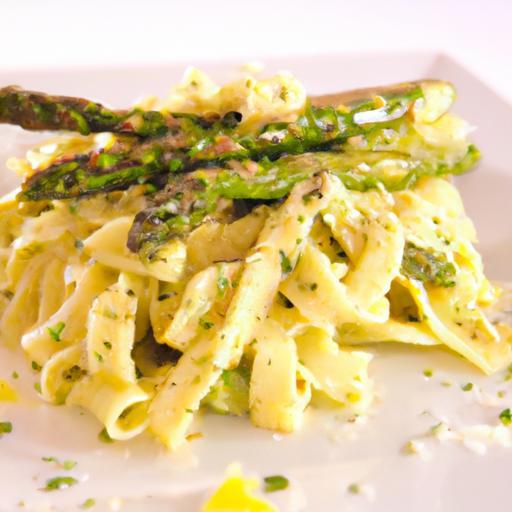
Serve your vibrant pasta in shallow bowls to showcase the stunning asparagus pieces and fresh herbs. Garnish with extra basil and a light drizzle of olive oil. Pair this dish with a crisp green salad for a balanced meal or a side of roasted cherry tomatoes for color and sweetness contrast.
This dish also shines as a light lunch or elegant weeknight centerpiece, proving allergen-kind cooking can be just as flavorful and visually enticing.
| Nutrient | Per Serving |
|---|---|
| Calories | 320 |
| Protein | 10g |
| Carbohydrates | 45g |
| Fat | 9g |

Q&A
Q&A: Gluten-Free Pasta with Asparagus - A Fresh Twist on Dinner
Q: What makes gluten-free pasta a great choice for this asparagus dish?
A: Gluten-free pasta opens the door to a meal that’s both delicious and accessible to those with gluten sensitivities or celiac disease. Made from ingredients like rice, corn, or legumes, it offers a similar texture to conventional pasta while letting the fresh, green crispness of asparagus shine through. It’s a versatile base that absorbs flavors beautifully without overpowering the vibrant veggies.
Q: How does asparagus enhance the flavor profile of gluten-free pasta?
A: Asparagus brings a naturally fresh, slightly grassy, and subtly sweet flavor that complements the mildness of gluten-free pasta.Its tender yet crisp texture adds a delightful contrast, turning an ordinary pasta dinner into a spring-inspired festivity. The bright green hue also brings visual appeal, making the dish as inviting to the eyes as it is to the palate.
Q: are there any simple preparation techniques to keep asparagus vibrant and crisp?
A: Absolutely! The key is to blanch or sauté asparagus briefly-just enough to make it tender but still retain that satisfying snap. Overcooking can dull the flavor and turn it mushy. Tossing asparagus with a squeeze of lemon juice right after cooking helps preserve its bright color and adds a refreshing zing.
Q: What are some creative ways to season gluten-free pasta with asparagus?
A: Fresh herbs like basil, parsley, or tarragon add a lovely aromatic lift. Garlic and lemon zest bring brightness and depth, while a sprinkle of toasted nuts-think almonds or pine nuts-introduce a crunchy, nutty contrast. For a touch of umami, consider adding sun-dried tomatoes or a drizzle of high-quality olive oil.
Q: Can this dish be adapted for a vegan diet?
A: Definitely! Simply swap out any cheese or dairy-based ingredients for plant-based alternatives or omit them entirely. Nutritional yeast can be a great vegan substitute for a cheesy flavor, and a good quality olive oil can add richness without dairy. The fresh flavors of asparagus and herbs will still take center stage.
Q: How does this gluten-free pasta with asparagus fit into a balanced meal?
A: This dish strikes a fantastic balance by combining complex carbohydrates from gluten-free pasta,vitamins and fiber from asparagus,and healthy fats from olive oil or nuts.adding a side salad or a protein like grilled chicken, tofu, or chickpeas can round out the plate for a nourishing, satisfying dinner that’s light yet filling.
Q: what’s the best time of year to enjoy this pasta with asparagus?
A: Spring is when asparagus is at its peak-fresh, tender, and bursting with flavor. Using seasonal ingredients ensures the brightest taste and most vibrant textures. Plus, the simple, fresh nature of this dish perfectly complements the rejuvenating spirit of springtime meals.
Q: Any tips to avoid common pitfalls with gluten-free pasta?
A: Yes! Follow package instructions carefully, rinse under cold water after draining to stop cooking and prevent clumping, and toss immediately with olive oil or sauce to keep it separated.
Q: What inspired pairing gluten-free pasta with asparagus?
A: This combination highlights health-conscious, seasonal ingredients. Simple, fresh flavors create an easy yet impressive dish that’s wholesome and versatile.
Q: How can leftovers of this dish be stored and reheated without losing quality?
A: Store leftovers in an airtight container in the refrigerator for up to 2 days. When reheating, warm gently in a skillet with a splash of water or broth to prevent drying out. Reheating slowly keeps the pasta tender and preserves the bright flavors of asparagus without turning the dish mushy.
Insights and Conclusions
As the vibrant green of asparagus meets the tender, satisfying bite of gluten-free pasta, this dish transforms a simple dinner into a celebration of fresh, wholesome flavors. Whether you’re embracing a gluten-free lifestyle or simply seeking a lighter, more colorful plate, this recipe invites you to rediscover the joy of cooking with nature’s best ingredients. So next time you crave a meal that’s both nourishing and delicious, let this fresh twist on dinner inspire your kitchen creativity-and your appetite.