
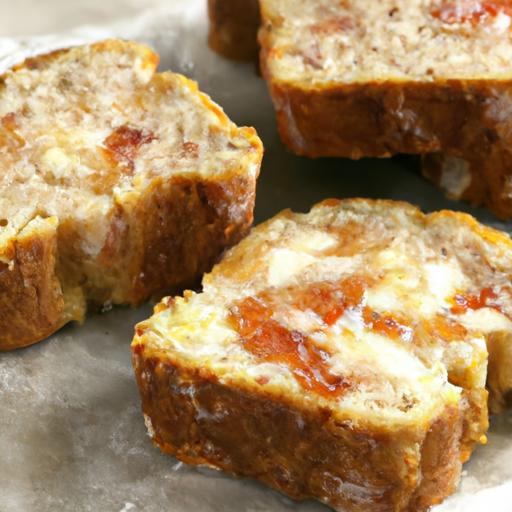
There’s something undeniably satisfying about sinking your teeth into a slice of fresh, homemade bread-soft, airy, and just the right amount of chewy. But when you switch to low-carb alternatives, that perfect bite can sometimes turn into a gummy, dense disappointment. If you’ve ever found yourself staring down a loaf that’s more like a brick than a cloud, you’re not alone. Low-carb bread recipes often struggle with texture,leaving many bakers wondering: what went wrong? In this article,we’ll unravel the science behind gummy low-carb bread and share practical tips to help you achieve that ideal crumb-light,tender,and utterly tasty. Say goodbye to gummy frustrations and hello to perfectly textured low-carb loaves every time!
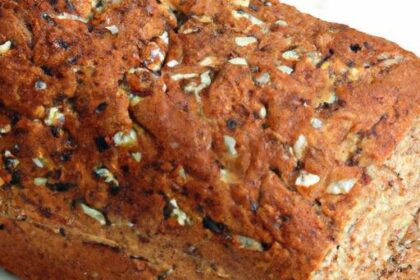
How to fix gummy low-carb bread begins with understanding the delicate balance between ingredients and technique that transforms a dense, sticky loaf into a light, airy masterpiece. Low-carb baking challenges us to substitute conventional wheat flour with alternatives that behave quite differently-making gummy textures all too common. But with the right flour choices, moisture control, and baking methods, you’ll achieve a bread that’s perfectly structured, tender in crumb, and boasts a crust that sings with crispness.
Prep and Cook Time
- Preparation: 15 minutes
- Baking: 45 minutes
- Cooling: 30 minutes
Yield
One standard 9×5-inch loaf (10-12 slices)
difficulty Level
Medium – ideal for bakers pleasant with ingredient substitutions and attentive baking techniques
Ingredients
- 1 cup almond flour (finely ground, blanched for smooth texture)
- 1/2 cup coconut flour (fresh, finely sifted to absorb moisture evenly)
- 3 large eggs (room temperature for better aeration)
- 1/4 cup psyllium husk powder (key for structure and binding without moisture overload)
- 1/2 teaspoon baking soda (for lift and crumb lightness)
- 1/2 teaspoon salt (balances flavors and strengthens gluten-free structure)
- 1 tablespoon apple cider vinegar (helps improve crumb and crust by activating baking soda)
- 1 cup warm water (adjust as needed for dough consistency)
- 2 tablespoons olive oil (enhances moisture and crust crispness)
Instructions
- Preheat your oven to 350°F (175°C) and prepare a 9×5-inch loaf pan by greasing it lightly or lining with parchment paper for easy release.
- In a large bowl, combine almond flour, coconut flour, psyllium husk powder, baking soda, and salt. Whisk them together to distribute the leavening agents and psyllium husk evenly, which prevents clumping and ensures consistent texture.
- In a separate bowl, beat the eggs until frothy, then stir in the warm water, apple cider vinegar, and olive oil. This wet mixture activates the psyllium husk to form a perfect gel-like binder essential for structure without gumminess.
- Slowly add the wet mixture to the dry ingredients, stirring constantly until a thick batter forms. Allow the dough to rest for 5 minutes. During this time, the psyllium husk will absorb moisture fully, aiding in crumb development and reducing sogginess.
- Transfer the dough to your prepared loaf pan, smoothing the top with a spatula. Lightly wetting your hands can help achieve an even surface without sticking.
- Bake for 40-45 minutes, checking at the 35-minute mark. The crust should be golden brown and firm to the touch. Insert a toothpick into the center-it should come out clean or with just a few moist crumbs, never wet batter.
- Remove from oven and allow to cool for at least 30 minutes before slicing. Cooling is crucial to complete the moisture redistribution inside the bread, firming the crumb and eliminating gummy sensations.
Tips for Success
- Selecting the Right Flours and bindings: Almond flour provides richness and moisture, while coconut flour’s highly absorbent nature ensures the crumb is stable and not wet. Psyllium husk is indispensable-it mimics gluten’s elasticity and traps air, crucial in preventing gumminess.
- Mastering Moisture Control: Avoid adding too much liquid; add warm water gradually to achieve a batter that is thick yet spreadable. excess moisture is the primary cause of gummy texture.
- Enhancing Crust and Crumb: Apple cider vinegar reacts with baking soda, boosting oven spring for a lighter, less dense loaf. Olive oil enriches the crumb without making it soggy, and a warm, not hot, oven maintains a robust crust without overbaking.
- Cooling is Key: Always allow the bread to cool fully on a wire rack. This resting period allows steam to escape, finalizing the crumb’s firm yet tender texture.
- Substitutions: if you’re nut-allergic, swap almond flour for a mild sunflower seed flour, but increase psyllium husk slightly to maintain structure.
- Make-ahead: Store leftover bread in an airtight container at room temperature for up to 3 days or freeze in slices wrapped tightly for up to one month.
Serving Suggestions
Slice this gorgeous loaf and toast lightly for a crisp base that contrasts its tender interior. Top with creamy avocado and a sprinkle of chili flakes for a savory breakfast or serve with whipped herb butter and fresh garden tomatoes for an elegant snack. garnish with fresh rosemary sprigs or a light dusting of golden flaxseed meal to elevate both aroma and visual appeal.
| Nutrient | Per Slice (1/10th) |
|---|---|
| Calories | 130 |
| Protein | 6g |
| Carbohydrates | 4g |
| Fat | 10g |

Understanding Moisture and Flour Choices for Perfect Results
When learning how to fix gummy low-carb bread, grasping the role of each ingredient unlocks your baking potential. Unlike wheat flour, low-carb flours lack gluten’s structural support, making moisture levels critical. Almond flour offers a tender crumb, but on its own can feel oily and dense. Coconut flour’s high fiber content-when balanced-absorbs excess moisture, creating a dryer, springier loaf. Psyllium husk acts as a bridge, forming a gel that traps moisture without creating sogginess, preventing that dreaded gummy texture.
Control your liquid additions carefully, knowing the dough should be thick, almost like a soft batter-not runny. Adding warm water activates psyllium more efficiently,improving elasticity. Baking soda and apple cider vinegar combine to promote a light rise and deepen crust development, which seals in moisture and creates contrast with the bread’s inner crumb.
Employ these principles consistently, and you’ll erase gumminess from your low-carb bread forever.
for further refinement,explore our Low-Carb Bread Secrets post,and discover more baking wisdom. additionally, reading this comprehensive guide on low-carb flours from Serious Eats will deepen your understanding of ingredient science.
Q&A
Q&A: How to Fix Gummy Low-Carb Bread – tips for Perfect Texture
Q1: Why does my low-carb bread turn out gummy instead of light and fluffy?
Low-carb breads often rely on ingredients like almond flour, coconut flour, or psyllium husk, which behave very differently from wheat flour. the gummy texture is usually caused by excess moisture, underbaking, or the presence of too many binders like xanthan gum or psyllium.These ingredients trap moisture, leading to that dense, sticky crumb.
Q2: How can I adjust my recipe to prevent the gummy texture?
Start by reducing the liquid slightly – low-carb flours absorb moisture differently. Also, double-check your baking time and temperature; underbaking can leave the interior wet and gummy. Try baking a little longer at a slightly lower temperature to allow moisture to evaporate evenly without burning the crust.
Q3: What role do eggs play in low-carb bread texture?
Eggs provide structure and moisture. Using the right number of eggs is critical; too few can make the bread crumbly, too many can add sogginess. For a less gummy bread, aim for a balanced ratio and consider separating the eggs – whipping the whites and folding them in gently can add airiness.
Q4: How does psyllium husk affect bread texture, and can it cause gumminess?
Psyllium husk is a fantastic binder that adds adaptability and chewiness, but it absorbs a lot of water. Using too much psyllium or not letting the dough rest to fully hydrate can cause the bread to become gel-like and gummy. Experiment with reducing psyllium amounts or increasing resting time before baking.
Q5: Are there any tricks to improve crumb structure without gluten?
Absolutely! As gluten is absent, incorporating techniques like adding ground chia seeds soaked in water (chia gel) or using flaxseed meal can definitely help mimic elasticity. Also,allow the dough to rest before baking to let flours absorb moisture properly. This rest improves crumb and reduces gumminess.
Q6: Can I fix a gummy loaf after baking?
If your bread is gummy post-bake, try slicing it thinly and toasting or lightly pan-frying the slices to improve texture and reduce moisture perception. Storing the loaf uncovered for a few hours or even lightly reheating can definitely help moisture redistribute or evaporate.
Q7: Does the type of flour affect gumminess?
yes! Almond flour tends to produce moister bread, while coconut flour absorbs more liquid and can definitely help reduce gumminess but requires different liquid ratios. Experimenting with combinations of low-carb flours often yields better texture than using just one type.
Q8: How critically important is cooling in preventing gummy bread?
Cooling is key! Low-carb breads continue to set as they cool, and slicing too early can cause a gummy, under-set crumb. Let your bread cool entirely on a wire rack to allow steam to escape, firming up the texture nicely.
Q9: Is humidity or storage affecting my bread’s texture?
Absolutely. High humidity or sealing the bread while it’s still warm traps moisture, exacerbating gumminess. store cooled bread in a breathable container or wrap loosely to maintain texture without turning soggy.
Q10: What is the best baking vessel to reduce gumminess in low-carb bread?
Using a metal or glass loaf pan with good heat conduction helps bake the bread evenly and develop a firmer crust, which can reduce gumminess.Some bakers find that silicone pans retain too much moisture, contributing to a gummy crumb.
With these insights and small tweaks, say goodbye to gummy low-carb bread and hello to irresistibly perfect loaves every time!
To Conclude
Achieving the perfect texture in low-carb bread can feel like a delicate dance-but with these tips in your baking toolkit, that gummy, disappointing loaf will soon be a thing of the past. Remember,it’s all about balancing moisture,choosing the right flours,and mastering your baking time.With patience and practice, your low-carb bread will rise to the occasion every time, delivering a crusty, satisfying bite without compromising on your dietary goals. So go ahead-embrace the science, experiment boldly, and turn your kitchen into a haven of perfectly textured, guilt-free bread. Happy baking!