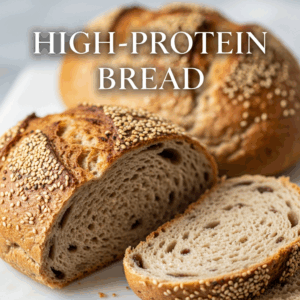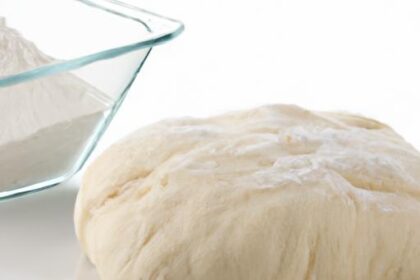


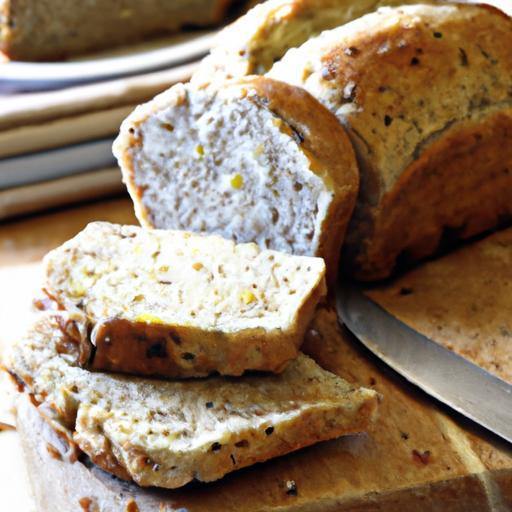
In a world where nutrition meets innovation, the humble loaf of bread is getting a powerful makeover. Say goodbye too the empty carbs of yesteryear adn step into the era of power-packed loaves-breads that don’t just fill you up but fuel your day wiht muscle-building protein and lasting energy. Whether you’re a fitness enthusiast, a busy professional, or simply someone seeking healthier swaps, exploring high-protein bread options opens up a delicious new frontier. Join us as we slice through the science and savor the flavors behind these protein-rich breads that are transforming kitchens and redefining what it means to “break bread.”
Choosing the Perfect Protein-Packed Ingredients for Your Loaf
Power-Packed Loaves: Exploring High-Protein Bread Swaps are a fantastic way to elevate your baking, blending nutrition with flavor in a gorgeous, wholesome loaf. Unlocking the true potential of protein-rich ingredients transforms your bread from a simple staple into a nourishing superfood. Whether you’re seeking plant-based proteins or experimenting with ancient grains, the choice of ingredients sets the foundation for a loaf that’s as robust in texture as it is indeed in health benefits.
To start, consider incorporating legume-based flours like chickpea or lentil flour-they add a subtle earthiness and an remarkable protein boost. Nut and seed meals, such as almond or flaxseed meal, introduce healthy fats and a warmly nutty aroma, enriching both taste and crumb structure. Ancient whole grains like quinoa, amaranth, or teff provide not only complete proteins but also unique textures and flavors that complement classic wheat bases beautifully.
Unlocking the health Benefits Behind High-Protein Breads
Beyond their rich texture and satisfying bite, these power-packed loaves offer profound health benefits. Increasing the protein content in bread supports muscle repair, sustains energy longer, and promotes a feeling of fullness to help curb cravings. High-protein breads also tend to have a lower glycemic index, stabilizing blood sugar levels-a key factor for overall wellness and weight management.
Incorporating a diversity of protein sources-from seeds and nuts to legumes and specialty grains-ensures a complete amino acid profile. This not only benefits those following vegetarian or vegan diets but anyone looking to replace standard processed breads with more nutrient-dense options. For the visual food stylist, the rich hues and appealing crumb structure that come from these ingredients offer an irresistible canvas for creative plating.
Creative Baking Techniques to Boost Your Bread’s Protein Content
Experimenting with technique is as crucial as the ingredients themselves. Start by toasting seeds or nuts before grinding to deepen their flavor and soften their texture, enhancing your loaf’s profile. Embrace soaking and fermenting pulses or ancient grains to improve digestibility and unlock more bioavailable nutrients.
Mixing protein powders like pea or hemp protein into your dough can be a subtle yet effective way to amplify protein without altering the delicate balance of hydration or gluten advancement. However, keep your dough well-hydrated-protein-rich flours absorb more moisture, so adjusting water content is essential for a tender crumb. Using slow, extended rises encourages complex flavor development while allowing proteins to blend harmoniously, improving both taste and texture.
top High-Protein Bread Swaps for every Meal and Snack
Swapping out customary sandwich bread for high-protein alternatives opens up exciting culinary possibilities. Imagine a breakfast layered with creamy avocado and smoked salmon on a quinoa and flaxseed loaf, or midday sandwiches built on almond and chickpea flatbreads offering satiety and vibrant nutrition. For snacks, try crisping slices of lentil or teff-based bread to create gorgeously textured bruschettas topped with herbaceous hummus and fresh veggies.
Each loaf variation invites a new sensory adventure, with colors ranging from pale golden to deep russet, aromas rich with toasted nuts and grainy earthiness, and a texture that holds fillings beautifully without falling apart. These power-packed loaves transform everyday meals into a celebration of both flavor and wellness.
Prep and Cook Time
- preparation: 20 minutes
- Rising Time: 1 hour 30 minutes
- Baking Time: 35 minutes
- Total Time: Approximately 2 hours 25 minutes
Yield
1 loaf (12 slices)
Difficulty Level
Medium – Ideal for bakers ready to explore nutrient-rich flours and extended fermentation techniques.
ingredients
- 1 cup chickpea flour, sifted
- 1 cup whole wheat flour, preferably freshly milled
- ½ cup almond meal, finely ground
- ¼ cup flaxseed meal
- 2 teaspoons active dry yeast
- 1 teaspoon sea salt
- 1 tablespoon honey or maple syrup, warmed
- 1 cup lukewarm water (approximate, adjust as needed)
- 2 tablespoons olive oil
- 2 tablespoons toasted pumpkin seeds (plus extra for topping)
Instructions
- Activate the yeast: In a small bowl, combine the warm water with honey and yeast. Let it sit for 5-7 minutes until foamy, indicating activation.
- Mix dry ingredients: In a large mixing bowl, whisk together chickpea flour, whole wheat flour, almond meal, flaxseed meal, and salt until well blended.
- Incorporate liquids: Pour the yeast mixture and olive oil into the dry ingredients. Stir with a wooden spoon until a shaggy dough forms. Add more water by tablespoons if the dough feels too dry.
- Knead the dough: Transfer to a lightly floured surface and knead for 8-10 minutes until smooth and elastic. If sticky, sprinkle with a touch more flour but avoid adding too much.
- First rise: Place dough in an oiled bowl, cover with a damp cloth, and let rise in a warm space for about 1 hour or until doubled in size.
- Shape and seed: Gently deflate the dough and transfer it to a loaf pan lined with parchment paper. Press toasted pumpkin seeds evenly on top, gently pressing them into the dough for adhesion.
- Second rise: Cover the loaf and let it rise for another 30 minutes.
- Bake: preheat the oven to 375°F (190°C). Bake the loaf for 35 minutes or until golden brown and a skewer inserted comes out clean.
- Cool: Remove bread from pan and cool on a wire rack for at least 1 hour before slicing to preserve texture.
Tips for Success
- Hydration is key: Protein flours tend to absorb more water, so adjust liquids gradually to avoid a dense crumb.
- Toast seeds and nuts: Bringing out the oils before adding to dough deepens flavor complexity.
- Experiment with fermentation: An overnight cold rise in the fridge can develop richer flavors and improve digestibility.
- Gluten-free adjustment: For a gluten-free version, add xanthan gum or psyllium husk to support structure.
- make ahead: This loaf freezes beautifully-slice beforehand and toast slices straight from the freezer for maximum freshness.
serving Suggestions
These protein-rich slices shine best when paired simply yet thoughtfully. For breakfast, offer toasted slices topped with smashed avocado, a sprinkle of chili flakes, and a drizzle of lemon juice. At lunch, stack with grilled vegetables, fresh greens, and a creamy spread like hummus or tahini. As a snack, transform slices into canapés with whipped ricotta, roasted cherry tomatoes, and fresh basil. Garnish with a scattering of toasted seeds or a light brush of olive oil to highlight the loaf’s nutty notes and golden crust.

| Nutrient | Per Slice (1/12 Loaf) |
|---|---|
| Calories | 135 kcal |
| Protein | 6.2 g |
| Carbohydrates | 15 g |
| Fat | 5 g |
For further inspiration on wholesome grain choices, explore our guide to ancient grains. To learn more about the nutritional science behind protein in bread, visit Harvard T.H. Chan School of Public Health.
Q&A
Q&A: Power-Packed Loaves – Exploring High-Protein Bread Swaps
Q1: Why should I consider swapping my regular bread for a high-protein alternative?
A1: Traditional breads often rely heavily on refined flour, offering little more than empty carbs. High-protein breads pack a nutritional punch, keeping you fuller longer, boosting muscle repair, and stabilizing blood sugar levels. They’re a smart swap for anyone aiming to balance energy and nourish their body with every bite.
Q2: What ingredients make bread high in protein?
A2: Protein-rich breads frequently feature seeds like chia, flax, and sunflower; flours such as almond, chickpea, or lupin; and added protein powders from sources like pea, hemp, or egg whites. these ingredients not only raise the protein tally but add texture and a depth of flavor that elevates your sandwich or toast game.
Q3: Can high-protein bread taste as good as regular bread?
A3: Absolutely! Far from the dense, heavy loaves you might expect, modern high-protein breads can be light and fluffy or hearty and chewy, depending on the recipe.The nutty undertones from seeds and alternative flours often add a pleasant complexity that transforms your everyday sandwich into something special.
Q4: Are there particular types of high-protein breads that work best for different diets?
A4: Yes! For instance, almond or coconut flour-based breads work beautifully for low-carb or keto lifestyles. legume-based loaves, like those made with chickpea or lentil flour, align well with plant-based diets and offer a gluten-free option. Meanwhile, for an allergen-friendly choice, breads made with oat or quinoa blends can be protein-rich without triggering sensitivities.
Q5: How can I incorporate high-protein bread into my daily meals?
A5: Switch out your usual toast for a slice of high-protein bread topped with avocado and tomato for breakfast. Build a hearty sandwich loaded with colorful veggies, hummus, and lean turkey for lunch. Or cube it up for a protein-powered crouton boost in your salad. The possibilities are endless-and delicious!
Q6: Will high-protein breads keep well, or do they spoil faster?
A6: Because of the wholesome, less-processed ingredients, some high-protein breads may have a shorter shelf life and can become dry quicker. Storing them properly-in an airtight container or frozen in portions-helps maintain freshness and saves you from tossing out nutritious leftovers.
Q7: How do high-protein breads affect workouts and recovery?
A7: They provide the perfect fuel before or after a workout. The sustained energy from complex carbs combines with muscle-repairing proteins, helping to optimize performance and speed recovery. A high-protein sandwich with veggies and a lean protein source can become your new favorite post-exercise meal.
Q8: Are there any potential downsides to eating high-protein bread?
A8: some high-protein breads can be denser and more calorie-dense than traditional loaves, so portion control is key if you’re watching your intake. Also, certain ingredients like nut flours might not suit people with allergies. Always check labels or recipes to make the most informed and delicious choice for your lifestyle.
Q9: Where can I find high-protein bread or recipes to make my own?
A9: Many health food stores and bakeries now offer high-protein bread options. If you prefer homemade, there are countless creative recipes online utilizing ingredients like chickpea flour, seeds, and protein powders. Baking your own means you control every ingredient-crafting a truly power-packed loaf tailored to your taste and needs.
Exploring the world of high-protein breads is more than a trend-it’s a tasty way to empower your meals with nourishment and flavor. Ready to swap your loaf and fuel your day stronger? The perfect slice is waiting.
Concluding Remarks
As we’ve uncovered, swapping your everyday loaf for a high-protein alternative isn’t just a simple switch-it’s a smart step toward nourishing your body with every bite. These power-packed breads bring more than just nutrients to the table; they offer sustained energy, muscle support, and a delicious way to elevate your meals. Whether you’re an athlete, a busy professional, or simply someone looking to make mindful food choices, embracing high-protein bread swaps can transform your everyday sandwiches and toast into supercharged fuel. So next time you reach for a slice, remember: it’s not just bread-it’s a powerhouse ready to support your wellness journey, one bite at a time.