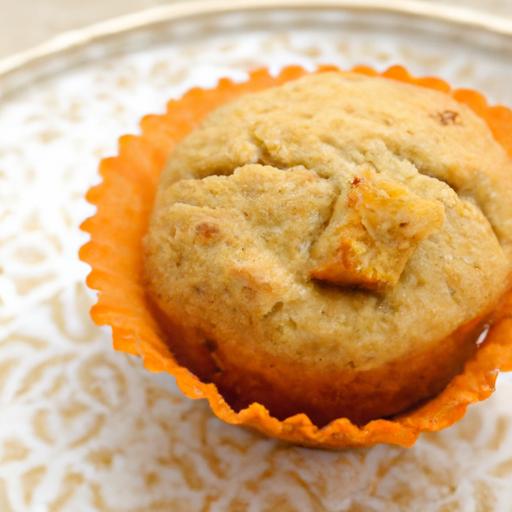



In a world where sugary delights often reign supreme, keto baking invites us to rethink the art of indulgence-without the carb crash. But swapping traditional flour for low-carb alternatives can feel like navigating a labyrinth of options, textures, and flavors. Enter the essential guide to unlocking keto baking: a flavorful journey through the best flours that turn humble ingredients into mouthwatering treats. Whether you’re craving fluffy muffins, tender cookies, or decadent cakes, discovering the perfect low-carb flour is your secret weapon to keto success. Let’s dive into the science, the secrets, and the scrumptious solutions that make every bite both guilt-free and glorious.
Unlocking Keto Baking success starts with understanding the unique properties of low-carb flours that transform your favourite treats into guilt-free delights. Selecting the right base flour is essential-not onyl for nutritional balance but also to achieve that perfect crumb, moisture, and flavor that makes keto baking a joyous adventure rather than a compromise. From nutty almond flours to delicate coconut and versatile seed flours, each variety contributes something special to your sweets and breads.
Exploring the Nutritional Profiles of Popular Low-Carb Flours
When diving into keto baking, the nutritional profile of your flour choice is paramount. For example, almond flour boasts a rich protein and healthy fat content with minimal net carbs, making it a front-runner for cakes and cookies. Meanwhile, coconut flour offers a high fiber content that helps absorb moisture and reduce carbs further, but it requires careful handling to avoid dry textures. For an extra boost of fiber and subtle earthiness, flaxseed meal and sunflower seed flour bring distinct nutritional benefits and textural complexity.
Understanding these profiles not only elevates your flavors but also supports your ketogenic macros effectively, keeping you on track without sacrificing indulgence.
Tips for Combining Flours to Achieve Perfect Texture and Flavor
No single keto-amiable flour can do it all; combining them is the secret to mastering texture and taste.For example, pairing almond flour’s moisture and density with coconut flour’s absorbency creates a balanced dough that’s pliable and tender. Adding a small amount of ground psyllium husk or flaxseed meal enhances structure and mimics the chewy texture of traditional wheat-based baked goods.
Experiment with ratios-start with about 2 parts almond flour to 1 part coconut flour for cakes or muffins, increasing coconut flour slightly for firmer breads. Always adjust liquids accordingly, as coconut flour is thirsty and can dry out your batter without sufficient moisture.
Top Recommended Flours for Keto-Friendly Cakes,Cookies,and Breads
Here are the essentials you want on hand when unlocking keto baking for your low-carb treats:
- Almond flour: Fine-textured,slightly sweet,perfect for cakes and cookies
- Coconut Flour: Highly absorbent,ideal for breads and denser cakes
- Flaxseed Meal: Adds fiber,helps bind ingredients,great for crackers and bread
- Sunflower Seed Flour: Nutty flavor alternative for those with nut allergies
- Psyllium Husk powder: Boosts elasticity and crumb in bread-like recipes
Prep and Cook Time
- Preparation: 20 minutes
- Cook Time: 25-35 minutes (varies by recipe)
Yield
Yields approximately 12 servings (depending on recipe and portion size).
Difficulty Level
Medium – Perfect for bakers with some experience curious about keto-friendly alternatives and textures.
Ingredients
- 1 ½ cups almond flour, finely ground
- ½ cup coconut flour, sifted
- 2 tbsp flaxseed meal, freshly ground
- 1 tbsp psyllium husk powder
- 1 tsp baking powder (gluten-free)
- ½ tsp salt
- 3 large eggs, room temperature
- ⅓ cup melted coconut oil or avocado oil
- ⅔ cup unsweetened almond milk or water
- 1 tsp vanilla extract
Instructions
- Preheat your oven to 350°F (175°C). Line your baking pan with parchment paper or grease it lightly with coconut oil.
- In a large mixing bowl, whisk together almond flour, coconut flour, flaxseed meal, psyllium husk powder, baking powder, and salt until fully combined and lump-free.
- In a separate bowl, beat the eggs, than mix in the melted coconut oil, almond milk, and vanilla extract until smooth.
- Slowly add the wet ingredients to the dry,stirring gently but thoroughly. The batter will thicken as the psyllium and coconut flour absorb liquid-let it rest for 5 minutes to hydrate fully.
- Pour the batter into your prepared pan and smooth the surface with a spatula.
- Bake for 25 to 35 minutes, or until a toothpick inserted in the center comes out clean.Oven times may vary-start checking at 20 minutes.
- Remove from oven and allow to cool in the pan for 10 minutes before transferring to a wire rack to cool fully. This helps set the texture and prevents crumbling.
Chef’s Notes
- Substitutions: Use sunflower seed flour in place of almond flour for nut-free options, but expect a slightly different flavor.
- Moisture Balance: If the batter feels too dry, add an extra tbsp of almond milk; too wet, add a pinch more coconut flour.
- Make-Ahead: Store in an airtight container at room temperature up to 3 days or freeze slices for up to 1 month.
- Flavor Variations: Incorporate cinnamon, nutmeg, or zest of lemon/orange for aromatic twists.
Serving Suggestions
Serve your keto-friendly breads and cakes with a dollop of whipped coconut cream or a smear of almond butter for flavorful richness. Garnish with fresh berries or a sprinkle of toasted almond slivers to add crunch and vibrant color. These low-carb treats pair perfectly with herbal teas or a creamy bulletproof coffee for a wholesome keto snack or breakfast.

| Flour Type | Calories (per ¼ cup) | Protein (g) | Net Carbs (g) | Fat (g) |
|---|---|---|---|---|
| Almond Flour | 160 | 6 | 2 | 14 |
| Coconut flour | 120 | 5 | 4 | 4 |
| flaxseed Meal | 150 | 5 | 0.4 | 11 |
| Sunflower Seed Flour | 160 | 6 | 3 | 14 |
For more expert tips on keto baking, visit our Keto Baking basics guide and discover how to elevate your low-carb kitchen creations. Additionally, learn about the science behind keto nutrition at Ketogenic Forums.
Q&A
Unlocking Keto baking: Best Flours for Low-Carb Treats
Q&A
Q1: What makes keto baking different from traditional baking?
A: Keto baking takes the carbohydrate content into sharp focus. Unlike traditional baking, which frequently enough relies on wheat flour loaded with carbs, keto baking uses low-carb flours to keep treats friendly to ketosis. This means swapping out regular flour for nut-based, seed-based, or fiber-rich alternatives that provide structure without spiking blood sugar.
Q2: What are the top flours to use for keto baking?
A: Some of the superstar flours in keto baking are almond flour, coconut flour, and flaxseed meal. Almond flour delivers a rich, nutty flavor and a moist crumb, while coconut flour-absorbing a lot of moisture-adds lightness and a subtle sweetness.Flaxseed meal boosts fiber content and adds a slightly earthy tone. Othre contenders include sunflower seed flour and lupin flour, which provide unique textures and flavors.
Q3: Can I substitute almond flour with coconut flour one-to-one?
A: Not exactly. Coconut flour is highly absorbent and typically requires less quantity and additional liquid or eggs to balance the batter or dough. If a recipe calls for 1 cup of almond flour, you might only need about 1/4 to 1/3 cup of coconut flour, with more eggs or liquids to keep things moist and prevent dryness.
Q4: How do these keto flours affect the texture of baked goods?
A: Each flour brings its own personality. Almond flour gives a tender, dense texture somewhat similar to traditional cakes. Coconut flour tends to make baked goods lighter but can be crumbly if not balanced properly. Flaxseed meal tends to add density and chewiness. Blending flours often yields the best results to achieve a perfect balance of texture, flavor, and structure.
Q5: Are ther any tips for baking with keto flours to improve outcomes?
A: Absolutely! As keto flours don’t contain gluten, the binding agents like eggs, xanthan gum, or psyllium husk powder become the baker’s best friends. Also, monitoring moisture levels is key-some flours soak up a lot of liquid, so tweaking liquids and bake times frequently enough leads to a tastier treat. experimentation is part of the adventure!
Q6: Can I find these keto flours in regular grocery stores?
A: Almond and coconut flours have become quite mainstream and are often available in the baking aisle or health food section. Flaxseed meal is widely available too. Specialty flours like lupin or sunflower seed flour might require a visit to health food stores or online marketplaces dedicated to keto and low-carb products.
Q7: Do keto flours impact the calorie count significantly?
A: While keto flours are lower in carbs, some-like almond flour-are still calorie-dense due to their fat content. Coconut flour is lower in calories but more fibrous. The key is that these flours reduce net carbohydrates, which supports ketosis, even if the total calories remain moderate to high.
Q8: What are some creative keto flour combinations to try?
A: Blending almond and coconut flours can balance moisture and texture beautifully. Adding a touch of flaxseed meal or chia seeds can introduce extra fiber and binding power. For a nut-free option, sunflower seed flour combined with coconut flour is a winning duo. Embrace mixing and matching to discover your personal keto baking signature!
This Q&A uncovers the secrets of keto flours and empowers you to craft delicious low-carb delights that satisfy both cravings and nutritional goals.Happy baking!
Key takeaways
As you embark on your keto baking adventures, remember that the right flour is your secret ingredient to creating low-carb treats that never compromise on taste or texture. From the delicate almond flour to the versatile coconut and nutty flaxseed options, each brings its own unique magic to the oven. By understanding their strengths and how they interact with other ingredients, you’ll unlock a world of delicious possibilities-turning every bite into a guilt-free delight. So, gather your favorite keto flours, preheat that oven, and let your creativity rise as you craft treats that nourish both body and soul. happy baking!