


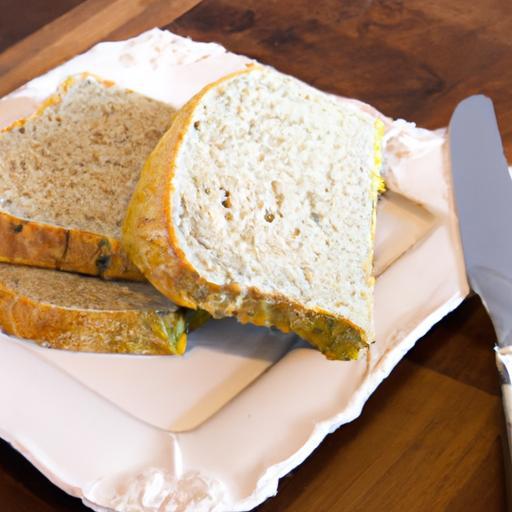
Keto bread-a beloved staple for low-carb enthusiasts-promises the comforting embrace of a warm slice without derailing your diet. Yet,for many,the journey to the perfect keto loaf is riddled with crumbly mishaps,dense disasters,and mysterious sogginess. If you’ve found yourself staring at another failed batch, wondering where it all went wrong, your not alone.Welcome to “Keto Bread Woes? Your Ultimate Troubleshooting Guide,” where we unravel the science and secrets behind keto baking. From ingredient tweaks to technique tips, prepare to transform your bread-baking trials into triumphs, one slice at a time.
Keto bread woes? when you dive into the low-carb lifestyle,mastering the art of keto bread can feel like navigating a tricky culinary puzzle. From crumbly textures to dry loaves,many home bakers struggle to achieve that coveted soft,fluffy bite reminiscent of traditional bread. But with a few expert insights and understanding common keto bread challenges, you’ll unlock the secret to consistently perfect keto loaves that delight both palate and plate.
Prep and Cook Time
- Prep Time: 15 minutes
- Cook Time: 40 minutes
- Total Time: 55 minutes
Yield
1 medium loaf (slices about 10-12)
Difficulty Level
Medium – ideal for keto enthusiasts ready to take their baking skills up a notch
Ingredients
- 1 ½ cups almond flour, finely ground
- ¼ cup coconut flour, sifted
- ¼ cup psyllium husk powder
- 1 tbsp baking powder (gluten-free)
- ½ tsp salt
- 4 large eggs, room temperature
- ⅓ cup melted coconut oil or avocado oil
- 1 tbsp apple cider vinegar
- ¾ cup unsweetened almond milk
Instructions
- Preheat your oven to 350°F (175°C). Grease a 9×5-inch loaf pan with coconut oil or line it with parchment paper for easy removal.
- in a large bowl, whisk together almond flour, coconut flour, psyllium husk powder, baking powder, and salt.This dry mix forms the backbone of your keto bread’s texture; precise measuring here is key.
- In a separate bowl, beat the eggs, then whisk in melted coconut oil, apple cider vinegar, and almond milk until fully combined and smooth.
- Pour the wet ingredients into the dry ingredients and stir with a spatula or wooden spoon. The dough will thicken and slightly gel within 2 minutes-this is crucial for that fluffy, elastic crumb.
- Transfer the dough into your prepared loaf pan, smoothing the surface evenly. Let the batter rest for 5 minutes to allow the psyllium husk to fully hydrate, preventing dryness later.
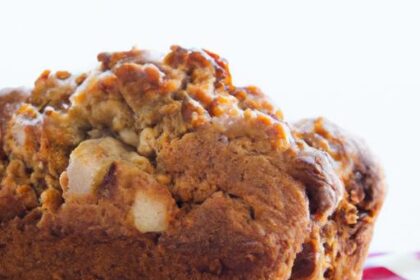
- Bake for 40 minutes, or until the top is golden brown and a toothpick inserted into the center comes out clean. If the top browns too fast, tent loosely with foil halfway through baking.
- Cool the loaf completely in the pan for 20 minutes before removing to a wire rack. Cooling sets the structure and greatly improves sliceability without crumbling.
Mastering the Perfect Keto Dough Texture for Fluffy Results
One essential secret to evading keto bread woes lies in balancing moisture and binding agents. Psyllium husk powder is a game-changer-its gel-like nature mimics gluten’s elasticity, creating that light, airy texture. However, too much psyllium makes the bread rubbery, too little and it crumbles. Similarly, pairing almond flour with a small amount of coconut flour absorbs excess moisture for structure. Letting the dough rest before baking ensures hydration that translates into a tender crumb rather than dry, crumbly slices.
Essential Ingredient Swaps That Transform Your Keto Bread
if almond flour isn’t your go-to, finely ground sunflower seed flour can be a nut-free alternative but watch for slight color changes. Avocado oil or melted butter blend well if you want a richer flavour profile rather of coconut oil. For leavening, aluminum-free baking powder is preferred for neutral taste. Using flaxseed meal rather of psyllium husk powder will change texture but can add a nutty flavor balance. When substituting, maintain dry-to-wet ratios meticulously to keep the dough’s integrity intact.
Expert Tips to Fix Dryness and Perfect Your keto Loaf Every Time
A common keto bread woe is dryness after baking, frequently enough due to overbaking or insufficient fats. Keep a close eye around the 35-minute mark and use a digital thermometer to ensure internal temperature hits around 205°F (96°C) – this signals perfect doneness while retaining moisture. Adding an extra egg yolk or a tablespoon of sour cream or Greek yogurt (unsweetened) can also boost tenderness without compromising keto macros. Always cool the bread fully to let the crumb set, as slicing too soon often leads to crumbling.
Tips for Success
- Measure flours accurately: Use a kitchen scale for best results to avoid a dense loaf.
- Room temperature eggs incorporate better and help create a lighter texture.
- Rest your dough for at least 5 minutes before baking to hydrate the fibers.
- Use parchment paper to easily lift the loaf without damage.
- Let bread cool completely to improve slicing and reduce crumbliness.
- Store wrapped tightly in refrigerator or freeze slices to maintain softness.
Serving Suggestions
Enjoy your perfectly fluffy keto loaf toasted with a slather of grass-fed butter and a sprinkle of toasted sesame seeds. It also makes a dreamy base for open-faced avocado toasts or stacked with fresh mozzarella, basil, and tomato for a vibrant low-carb bruschetta. For a cozy snack, serve alongside a rich, warm bowl of creamy pumpkin or butternut squash soup-both keto-friendly and comforting. Garnish with fresh herbs like rosemary or thyme to add a fragrant touch that excites the senses.
| Nutrient | Per Slice (1/12 Loaf) |
|---|---|
| Calories | 150 kcal |
| Protein | 6 g |
| Net Carbs | 2 g |
| fat | 13 g |

For more inspiration to overcome your keto baking challenges, check out our keto Baking Basics Guide. Discover scientifically researched tips on fiber benefits over at NCBI Fiber Benefits Article.
Q&A
Keto Bread Woes? Your Ultimate Troubleshooting Guide: Q&A
Q1: Why does my keto bread turn out dense and heavy every time?
Answer: Keto bread often lacks gluten, the protein that gives traditional bread its airy structure. Instead, keto recipes rely on binding agents like eggs, psyllium husk, or xanthan gum. If your bread is dense, consider adding an extra egg white for lift or increasing psyllium husk powder slightly. Also, be careful not to overmix-too much mixing can make the bread tough rather than fluffy. check if your leavening agents (baking powder or baking soda) are fresh; expired ones can lead to flat, dense loaves.
Q2: My keto bread tastes eggy and bitter. How can I fix that?
Answer: Keto bread often involves eggs and almond or coconut flours,which can sometiems impart an eggy or bitter aftertaste. To tone down the egg flavor, try adding a teaspoon of vanilla extract or a pinch of cinnamon for warmth. using blanched almond flour instead of almond meal can reduce bitterness, as almond meal includes skins. Also, balancing with a pinch of salt enhances overall flavor and can cut through bitterness.
Q3: Why is my keto bread crumbly and falls apart as soon as I slice it?
Answer: Keto bread can be fragile due to the absence of gluten’s elastic network. If your bread crumbles, try incorporating a binder like psyllium husk powder or ground flaxseed to improve cohesiveness. Also, allow your loaf to cool completely before slicing; warm bread is more prone to falling apart.Using a serrated knife and gentle sawing motions helps maintain crumb integrity too. Lastly, make sure the flour ratio isn’t too heavy on coconut flour, as it absorbs more moisture and can dry out bread, leading to brittleness.
Q4: My keto bread is moist but also gummy inside. What’s going wrong?
Answer: A gummy texture frequently enough signals underbaking or an imbalance in wet and dry ingredients. Coconut flour, as an example, absorbs a lot of moisture. If your recipe uses it, try reducing the liquid slightly or increasing baking time. Also, make sure you’re letting the bread cool fully-warm keto bread can feel gummy even when fully baked. Testing doneness with a toothpick (it should come out mostly clean) is a good habit. If your bread dips or sinks after baking, double-check your leavening and oven temperature settings.
Q5: Is it normal for keto bread to have a different flavor profile than regular bread?
Answer: Absolutely! Keto bread mainly uses nut and seed flours, eggs, and sometimes dairy like cream cheese or sour cream, which contribute to a richer, nuttier flavor compared to classic wheat bread. Embrace that difference! Experiment with herbs, spices, or cheese to customize the taste and elevate your loaf beyond “just bread.” With time,you’ll appreciate keto bread as its own appetizing category,not just a wheat bread substitute.
Q6: My loaf cracks on top during baking-should I be worried?
Answer: Cracks on keto bread tops are normal and usually nothing to fret over! Because keto doughs lack gluten’s elasticity, they often crack as they rise in the oven.If the cracks bother you, try scoring the top lightly before baking to guide controlled expansion. Also,avoid overfilling your loaf pan; giving your dough room to rise prevents chaotic splitting. In many cases, these cracks add rustic charm to your keto creation.
Q7: How can I store keto bread to keep it fresh longer?
Answer: Keto bread tends to dry out faster than traditional bread due to lower moisture content and lack of preservatives. Store your loaf tightly wrapped in plastic wrap or inside an airtight container at room temperature for up to 2 days.For longer storage, slice and freeze it in a sealed bag-thaw slices as needed in a toaster or microwave. Adding a slice of cheese or a damp paper towel wrapped loosely can definitely help maintain moisture when reheating.
Q8: Can I substitute almond flour with coconut flour or vice versa in keto bread recipes?
Answer: Almond and coconut flours behave very differently-coconut flour is much more absorbent and requires more liquid and eggs to prevent dryness. Substituting one for the other without adjusting the recipe can lead to textural disasters. Aim to use recipes specifically designed for each flour or carefully tweak the wet-to-dry ratios. Treat them like two distinct ingredients, not direct swaps, and your keto bread will thank you!
Q9: Any tips for making keto bread rise taller and fluffier?
Answer: To maximize rise, ensure you’re using fresh leavening agents and incorporate a good egg-to-flour ratio. adding whipped egg whites folded gently into the batter introduces airiness. Also, don’t skip letting your bread rest for a few minutes after mixing to allow psyllium husk or flaxseed to hydrate fully-this helps structure. Baking at a consistent temperature without opening the oven door during the first 20 minutes preserves heat and rise. Patience and precision are key!
Try these tips to turn your keto bread woes into wins. Remember, keto baking is a science that rewards creativity-keep experimenting and enjoy every crumb!
In Retrospect
Baking keto bread can feel like navigating a labyrinth-one misstep, and your loaf might emerge dense, crumbly, or oddly chewy. But with the troubleshooting tips gathered here, you’re no longer wandering in the dark. From ingredient tweaks to baking techniques, each insight brings you closer to that perfect, fluffy keto slice. Remember,every oven and pantry is unique,so embrace a little experimentation. Soon enough, your keto bread woes will be a thing of the past, replaced by confidence-and perhaps even a few deliciously triumphant slices. Happy baking!