



In the modern battle against metabolic syndrome-a complex cluster of conditions that stealthily undermines our health-finding a enduring and effective dietary strategy can feel like navigating a maze. Enter the keto meal plan: a powerful, science-backed approach that goes beyond mere weight loss to unlock your body’s potential for metabolic renewal. This article delves into how a carefully crafted ketogenic meal plan can become your ally in tackling insulin resistance, high blood pressure, and unhealthy cholesterol levels. By reimagining the way we fuel our bodies, “Unlock Health” offers more than a diet; it presents a transformative roadmap toward reclaiming vitality and redefining well-being in the face of metabolic challenges.
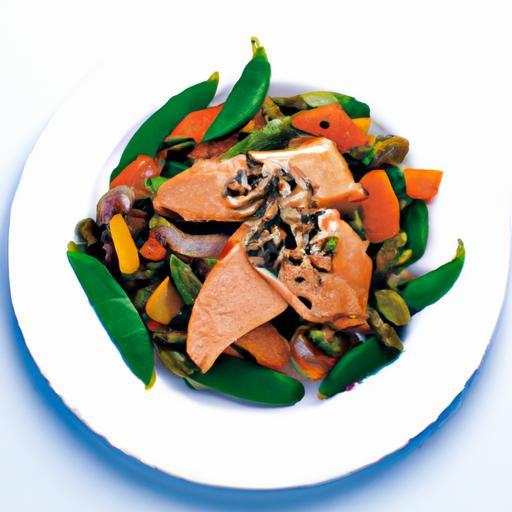
Unlock Health: Keto Meal Plan to Tackle Metabolic Syndrome begins with embracing a dish designed not just to tantalize the palate, but to actively support your metabolic recovery. This vibrant Keto Salmon Avocado Bowl combines essential keto foods known to balance blood sugar and reduce inflammation, delivering nourishing fats, omega-3s, and nutrient-dense greens in a colorful, effortless meal. Inspired by California’s fresh coastal flavors,it’s a celebration of bold,clean eating tailored specifically for sustainable health improvements.
Prep and Cook Time
Preparation: 10 minutes | Cooking: 15 minutes | Total: 25 minutes
Yield
Serves 2 generous portions
Difficulty Level
Easy
Ingredients
- 2 wild-caught salmon fillets (6 oz each), skin on
- 1 tbsp olive oil
- 1 tsp smoked paprika
- ½ tsp ground cumin
- Salt and freshly ground black pepper, to taste
- 1 large ripe avocado, diced
- 2 cups baby spinach leaves
- 1 cup chopped cucumber
- ½ cup sliced radishes
- 1 small jalapeño, thinly sliced (optional, for spice)
- 2 tbsp freshly squeezed lime juice
- 2 tbsp chopped fresh cilantro
- 1 tbsp toasted pumpkin seeds
- Sea salt flakes for garnish
Instructions
- Preheat your oven to 400°F (200°C). Line a baking sheet with parchment paper or a silicone mat for easy cleanup.
- Prepare the salmon: pat the fillets dry with paper towels. In a small bowl, combine smoked paprika, ground cumin, salt, and pepper. Rub this spice blend evenly over both sides of the salmon.
- Heat olive oil in a large, oven-safe skillet over medium-high heat. When hot, place the salmon fillets skin-side down and sear for about 3 minutes until the skin is crisp and golden. Flip carefully and sear the other side for 2 minutes.
- Transfer the skillet to the preheated oven and roast the salmon for 6-7 minutes, until cooked through but still moist – internal temperature shoudl register 125°F (52°C) for medium doneness.
- While salmon cooks, assemble the bowl: In a large bowl, combine baby spinach, chopped cucumber, radishes, diced avocado, jalapeño, lime juice, and half the cilantro. Toss gently to mix without mashing the avocado.
- Divide the salad evenly onto two plates or bowls. Once the salmon is ready, place the fillets atop each salad bed, skin-side up to preserve crispness.
- Garnish with toasted pumpkin seeds, remaining cilantro, and a sprinkle of sea salt flakes for crunch and depth.
- Serve immediately with lime wedges on the side to brighten flavors as desired.
Tips for success
- Salmon selection: Choose wild-caught for highest omega-3 content and cleaner flavor.
- Custom spice blend: Swap smoked paprika with chipotle powder for smoky heat or turmeric for added anti-inflammatory benefits.
- Meal prepping: Prepare components ahead-chop veggies and make the dressing. store salmon uncooked and roast just before serving for optimal freshness.
- Keep avocado fresh: Toss diced avocado with lime juice immediately to prevent browning.
- Vegetarian alternative: Replace salmon with grilled marinated tofu or tempeh to keep the keto macros balanced.
Serving Suggestions
This bowl shines served fresh, but it also pairs beautifully with a chilled glass of sparkling water infused with cucumber slices and mint for a refreshing complement. Sprinkle additional pumpkin seeds or a dash of chili flakes to elevate texture and flavor.For an extra boost, add a dollop of full-fat Greek yogurt or keto-friendly sour cream on the side, enhancing creaminess without compromising blood sugar balance.
| Nutrient | Per Serving |
|---|---|
| Calories | 520 kcal |
| Protein | 40 g |
| Carbohydrates | 8 g (Net carbs: 5 g) |
| Fat | 35 g |

Looking for more ideas to boost your keto lifestyle? Visit our curated keto snacks post for inspiration.
For a deep dive into the science behind metabolic syndrome and inflammation, check out this NIH overview of metabolic syndrome.
Q&A
Q&A: Unlock Health – Keto meal Plan to Tackle Metabolic Syndrome
Q1: What is metabolic syndrome, and why is it critically important to address it?
A: Metabolic syndrome is a cluster of conditions-high blood pressure, elevated blood sugar, excess body fat around the waist, and abnormal cholesterol levels-that together increase the risk of heart disease, stroke, and type 2 diabetes. Addressing it early is crucial because these combined factors significantly elevate health risks, but with the right lifestyle and dietary choices, such as a tailored keto meal plan, it can be managed effectively.
Q2: How does a keto meal plan help in managing metabolic syndrome?
A: A ketogenic meal plan focuses on low-carb, high-fat, and moderate-protein foods, which helps stabilize blood sugar levels, reduce insulin resistance, and promote fat burning-particularly around the abdominal region. This metabolic shift not only supports weight loss but also improves lipid profiles and lowers blood pressure, directly tackling the components of metabolic syndrome.
Q3: What are some key foods to include in a keto meal plan aimed at metabolic syndrome?
A: prioritize leafy greens like spinach and kale, healthy fats from avocados, olive oil, and nuts, as well as high-quality proteins such as fatty fish, eggs, and poultry. Non-starchy vegetables like zucchini and cauliflower are excellent for volume and fiber without spiking carbs. Incorporating these nutrient-dense foods nourishes the body and enhances metabolic health without sacrificing flavor.
Q4: Can people with metabolic syndrome safely follow a keto diet long-term?
A: Many individuals experience notable benefits following a keto diet long-term, but it’s essential to personalize the approach. Regular monitoring of blood sugar, lipid levels, and kidney function is recommended, alongside consultation with a healthcare provider to adjust the plan as needed. The goal is sustainable, balanced nutrition rather than a quick fix.
Q5: How can one avoid common pitfalls when starting a keto meal plan for metabolic syndrome?
A: Watch out for hidden carbs in processed foods and excessive protein intake, which can interfere with ketosis. Focus on whole foods, stay hydrated, and include plenty of fiber-rich vegetables to support digestive health. Planning meals ahead helps maintain consistency and prevents slipping into carb-heavy convenience foods.
Q6: What role does meal timing play in enhancing the benefits of a keto meal plan?
A: Intermittent fasting or mindful eating windows can complement a keto meal plan by improving insulin sensitivity and promoting fat metabolism. Aligning food intake with the body’s natural rhythms supports metabolic balance, but it’s important to listen to your body and maintain adequate nutrient intake for energy and wellbeing.
Q7: Can the keto meal plan support mental clarity and energy in individuals with metabolic syndrome?
A: Absolutely! By providing stable energy through ketones instead of glucose, the brain receives a consistent fuel source, ofen resulting in improved focus, mental clarity, and sustained energy throughout the day-common challenges for those dealing with blood sugar imbalances.
Q8: How customizable is the keto meal plan for people with different tastes and dietary restrictions?
A: One of keto’s strengths is its versatility.Weather you prefer plant-based proteins, seafood, or lean poultry, there are endless ways to customize meals while staying within keto guidelines. Herbs, spices, and diverse vegetables ensure that you can enjoy a variety of flavors without compromising your health goals.
Q9: What simple tip would you give to someone looking to start a keto meal plan for metabolic syndrome today?
A: Start with small, manageable changes-swap out starchy sides for leafy greens or cauliflower rice, add healthy fats like olive oil or avocado to your plate, and gradually reduce sugary snacks.This approach makes the transition smoother and sets you up for lasting success in unlocking better health.
To Wrap It Up
As you embark on your journey toward better health, remember that unlocking the power of a tailored keto meal plan could be the key to transforming your metabolic landscape. By embracing nutrient-rich, low-carb foods thoughtfully designed to support your body’s unique needs, you’re not just managing symptoms-you’re rewriting your metabolic story. Metabolic syndrome may be a complex puzzle, but with the right approach and consistent habits, it’s a challenge you can confidently tackle. So, fuel your plate with intention, listen to your body, and step into a healthier future-one tasty, empowering meal at a time.