


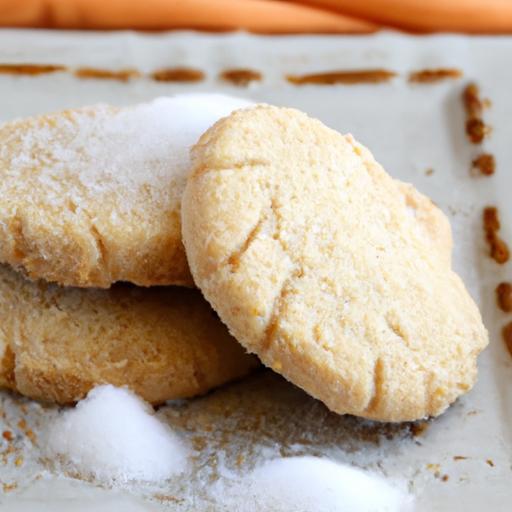
There’s something timeless about the delicate crumb of a classic shortbread cookie-a buttery, melt-in-your-mouth treat that evokes cozy afternoons and cherished memories. But for those embracing a low-carb lifestyle, indulging in this customary delight often feels off-limits. Enter keto shortbread cookies: a clever reinvention that preserves all the rich,tender goodness you love,while swapping out the carbs for healthier fats and low-carb ingredients. In this article, we’ll explore how these guilt-free delights combine culinary creativity with keto-amiable principles, proving that you don’t have to sacrifice flavor or texture to stay on track. Get ready to discover a new favorite treat that’s as satisfying as it is indeed smart.
Understanding the Keto Advantage in Traditional Baking
Keto shortbread cookies bring an exciting transformation to classic baking by embracing a low-carb lifestyle without sacrificing the beloved buttery, crumbly texture.Unlike traditional recipes loaded with refined sugar and wheat flour, these cookies use keto-friendly alternatives designed to stabilize blood sugar and keep you in ketosis. This swap not only makes the treat guilt-free but also opens up new possibilities for experimenting with flavors and textures that remain true to the nostalgic charm of shortbread.
By replacing conventional ingredients with almond flour, butter, and carefully selected sweeteners, keto shortbread cookies maintain the integrity of a tender and melt-in-your-mouth bite. The magic lies in understanding how these ingredients interact differently-almond flour’s natural oils prevent dryness, while erythritol or monk fruit subtly sweeten without the sugar crash. This balance is what makes these cookies irresistible for both keto beginners and seasoned bakers.
crafting the Perfect Low-Carb Shortbread Texture
Achieving that quintessential shortbread texture on a keto regime means mastering the delicate dance between crumb and firmness.The key is starting with room temperature butter, which ensures even incorporation with the almond flour and sweetener.When mixed correctly, the dough shoudl come together smoothly but not overly wet. Overworking it can lead to dense,chewy results-so mix gently until just combined.
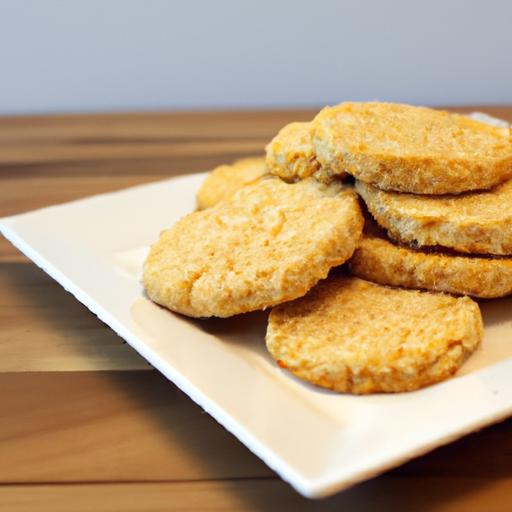
Chilling the dough before baking is another crucial step.It allows the butter to solidify, resulting in clean, sharp edges and perfect structure once baked. Expect these cookies to retain a slightly sandy, delicate crumb that melts flawlessly on the tongue-a signature hallmark of excellent keto shortbread cookies.
Choosing the Best Keto-Friendly sweeteners and Flours
Sweetener choice dramatically influences both flavor and texture. Erythritol stands out for its granular similarity to sugar and minimal aftertaste, while monk fruit sweetener offers a smoother profile and potent sweetness. Some bakers prefer blending sweeteners to optimize taste and reduce cooling effects that some sugar alcohols cause.
Almond flour is the preferred keto flour for shortbread due to its rich flavor and moisture content, but coconut flour can be incorporated sparingly to add slight nuttiness and absorbency-typically no more than 10-20% of the total flour blend to avoid dryness.Together, these ingredients help preserve the cookie’s classic richness and binding quality.
Flavor Enhancements That Elevate Your Keto Shortbread Experience
While the buttery simplicity is what defines shortbread, subtle flavor additions can elevate these keto shortbread cookies to a new level of indulgence. A hint of vanilla extract or almond extract brings a warm aromatic depth, while a sprinkle of finely grated lemon or orange zest can add delightful brightness. For an earthy, seasonal twist, try incorporating a pinch of ground cinnamon or cardamom.
For presentation and texture contrast, consider garnishing with a light dusting of powdered erythritol or dipping half the cookie in sugar-free dark chocolate. These elegant touches turn keto shortbread cookies from simple snacks into luxurious treats worthy of any occasion.
Prep and Cook Time
- Prep Time: 15 minutes
- Chill Time: 30 minutes
- Cook Time: 18 minutes
Yield
Approximately 24 keto shortbread cookies
Difficulty Level
Easy to Medium – Perfect for bakers of all skill levels aiming to enjoy classic flavors with a low-carb twist
Ingredients
- 1 ¾ cups almond flour, finely ground
- 3 tbsp coconut flour (optional for texture balance)
- ½ cup unsalted butter, softened to room temperature
- ⅓ cup powdered erythritol or preferred keto sweetener blend
- 1 tsp pure vanilla extract
- ¼ tsp fine sea salt
- Optional: Zest of 1 lemon or orange, ½ tsp ground cinnamon, sugar-free dark chocolate for dipping
Instructions
- Preheat your oven to 325°F (163°C). Line a baking sheet with parchment paper or a silicone mat for easy cleanup.
- In a large bowl, cream the softened butter and powdered erythritol using a hand mixer or stand mixer on medium speed until light and fluffy, about 2-3 minutes. This aeration ensures a tender crumb.
- Add vanilla extract and salt, mixing briefly to incorporate.
- Gradually fold in almond flour and coconut flour with a spatula until the dough just comes together. Avoid overmixing to keep the delicate texture.
- Optional: Stir in any zest or spices at this stage to evenly distribute flavor.
- Gather the dough into a ball,then flatten into a disk. Wrap tightly in plastic wrap and refrigerate for 30 minutes, allowing the butter to firm up for clean shaping.
- On a lightly floured surface (using almond flour), roll out the dough to about ¼-inch thickness. Use cookie cutters or a knife to cut into desired shapes.
- Place cookies on the prepared baking sheet, spacing them about 1 inch apart.
- Bake for 16-18 minutes until edges are lightly golden but centers remain pale to preserve tenderness.
- allow cookies to cool on the baking sheet for 10 minutes before transferring to a wire rack to cool entirely – this prevents breakage.
- optional: Once cool, dip half of each cookie into melted sugar-free dark chocolate and place on parchment paper to set for an elevated finish.
Tips for Success
- Butter temperature matters: Too cold and it won’t incorporate well; too warm and your dough may become greasy and hard to roll.
- Use almond flour labeled “super fine” or grind your own for the smoothest texture resembling traditional shortbread.
- Sweetener adjustments: If you detect a cooling aftertaste with erythritol, consider blending it with monk fruit sweetener or a tiny amount of stevia.
- Chilling time: Do not skip-this step is crucial for optimal dough handling and cookie shape.
- Make Ahead: Dough can be frozen for up to 1 month. Thaw overnight in the fridge before rolling and baking.
Serving Suggestions
Enjoy your keto shortbread cookies alongside a cup of herbal tea or black coffee for a delightful treat. For a festive touch, garnish with a sprinkle of finely chopped toasted nuts or a dusting of powdered erythritol. These cookies also pair beautifully with a dollop of sugar-free whipped cream or a keto-friendly berry compote to bring a touch of juicy contrast to their buttery richness.
Presented on a rustic wooden board or a delicate ceramic plate, the golden edges and tender centers invite indulgence-perfect for sharing with friends or savoring during quiet moments of self-care.
| Nutrient | Per Cookie |
|---|---|
| calories | 110 kcal |
| Protein | 3 g |
| Net Carbohydrates | 2 g |
| Fat | 9 g |
For further keto baking inspiration, check out our collection of keto dessert recipes, and learn more about keto nutrition guidelines from Healthline’s complete keto diet overview.

Q&A
Q&A: Keto Shortbread Cookies – A Low-Carb Twist on Classic Treats
Q1: What makes keto shortbread cookies different from traditional shortbread?
A1: Keto shortbread cookies swap out the classic flour and sugar for low-carb alternatives like almond flour and natural sweeteners such as erythritol or monk fruit. This switch drastically reduces the carb content, making the cookies a perfect indulgence for those following a ketogenic lifestyle while still delivering that buttery, crumbly texture everyone loves.
Q2: Can I use any nut flour for keto shortbread, or is almond flour best?
A2: Almond flour is the most popular choice due to its fine texture and mild flavor, which closely mimics traditional flour. However, other nut flours like hazelnut or macadamia can add unique flavors and work well, though they may alter the cookie’s texture and taste slightly. Experimentation can lead to tasty variations!
Q3: How do keto sweeteners affect the baking process of shortbread cookies?
A3: keto-friendly sweeteners like erythritol or monk fruit sweetener behave differently than sugar-they don’t caramelize or brown as much. As a result, keto shortbreads tend to stay pale and may have a slightly different mouthfeel. Using powdered versions of these sweeteners helps achieve a smoother texture and prevents grittiness.
Q4: Are keto shortbread cookies suitable for people with nut allergies?
A4: Since most keto shortbread recipes rely heavily on almond or other nut flours, they’re typically not safe for individuals with nut allergies. However, some recipes experiment with coconut flour or seed flours like sunflower seed flour as substitutes, though these may require adjustments in moisture and binding agents.
Q5: How can I make my keto shortbread cookies more flavorful without adding carbs?
A5: Enhancing keto shortbread’s flavor profile is all about incorporating zero-carb ingredients such as vanilla extract, almond extract, citrus zest (lemon or orange), or spices like cinnamon and cardamom. Adding a sprinkle of sea salt on top before baking can also elevate the buttery richness.
Q6: What’s the key to getting that perfect crumbly texture in keto shortbread?
A6: The secret lies in the balance of fats and dry ingredients. Using high-quality, softened butter provides richness and aids in that melt-in-your-mouth crumble, while careful measurement of almond flour and minimal mixing prevents developing too much gluten-like structure. Chilling the dough before baking also helps maintain shape and texture.
Q7: Can I freeze keto shortbread cookies for later?
A7: Absolutely! keto shortbread freezes beautifully. Store the cookies in an airtight container or zip-top bag and freeze for up to three months.When ready to enjoy, simply thaw at room temperature to retain their delicate texture.
Q8: How do keto shortbread cookies fit into a balanced ketogenic diet?
A8: These cookies offer a sweet treat without the carb overload, allowing you to stay within your daily carb limits. Since they’re rich in healthy fats from butter and nuts,they complement the keto focus on fat for sustained energy. Just remember portion control,as the calories can add up quickly!
Q9: Can I add mix-ins like sugar-free chocolate chips or nuts to keto shortbread?
A9: Definitely! Incorporating sugar-free dark chocolate chips or chopped nuts can add delightful texture and flavor bursts.Just be mindful that some mix-ins may alter the dough’s consistency, so adjust the butter or flour slightly to keep the right balance.
Q10: What’s the best way to store keto shortbread cookies to keep them fresh?
A10: Store keto shortbread in an airtight container at room temperature, preferably in a cool, dry place. They usually stay fresh for up to a week. For longer storage, freezing is recommended to preserve their buttery goodness without drying out.
Embrace the buttery bliss of keto shortbread cookies-classic comfort reimagined to fit your low-carb lifestyle, one crumbly bite at a time!
The Way Forward
As you savor these keto shortbread cookies, you’re not just enjoying a delicious treat-you’re redefining what indulgence can be.With a perfect balance of buttery richness and low-carb goodness, these cookies prove that cutting carbs doesn’t mean cutting flavor. Whether you’re managing your macros or simply craving a guilt-free classic, this recipe invites you to embrace a smarter, tastier way to enjoy a timeless favorite. So go ahead, bake a batch, and let each crumb remind you: wholesome can be wonderfully delicious.