

There’s somthing undeniably satisfying about a perfectly cooked bowl of brown rice-each grain tender yet distinct, nutty aromas wafting up with every forkful. But achieving that ideal texture can frequently enough feel like a culinary mystery, leaving many to settle for mushy or undercooked results. In this simple guide, we’ll unravel the secrets to mastering brown rice, transforming it from a stubborn side dish into a versatile kitchen staple. Whether you’re a seasoned cook or a curious beginner, prepare to unlock the techniques that make every batch turn out fluffy, flavorful, and flawlessly cooked.
Choosing the Right Brown Rice for Your Palate and Pantry
Mastering brown Rice invites you into a world beyond the typical white grain, revealing textures and flavors that transform everyday meals into wholesome, satisfying experiences. From nutty short-grain varieties perfect for sticky salads to hearty long-grain types that shine in pilafs, selecting the right brown rice sets the foundation for every dish. Personally,I recall the moment I discovered heirloom brown basmati-a fragrance so intoxicating it turned a simple side into a centerpiece. When browsing your pantry options, consider aroma, texture, and cooking time as your compass. Opt for organically grown brown rice for the richest taste and added health benefits, and always inspect the grain for freshness to avoid bitterness.
Unlocking Soaking Secrets to Enhance Flavor and Texture
Before you even turn on the stove, soaking your brown rice works culinary magic. A soak of 30 minutes to 2 hours softens the bran layer, promotes tenderness, and cuts cooking time substantially. This ancient trick unlocks deeper flavor profiles and a pleasantly chewy bite that elevates every forkful. Try soaking your rice in filtered water, optionally adding a pinch of salt or a teaspoon of lemon juice to brighten the natural nuttiness. For a visually captivating step, use clear glass containers where you can observe the grains swell, a meditative prelude to cooking.
Mastering the Ideal Water Ratio and Cooking Time
Precision is key when mastering the ideal water ratio for brown rice.Generally, a 1:2.25 rice to water ratio yields tender, fluffy grains without excess mushiness. Though, this can vary based on rice variety and soaking duration.After draining your soak water, replace it with fresh boiling water to seal in aroma and texture. Simmer gently, covered, for about 40-45 minutes, resisting the urge to stir-this preserves the grain’s structure and fluffiness. If your rice cooks unevenly, try a gentle “resting period” off heat for 10 minutes with the lid on; it’s like letting the rice relax and firm up before serving.
Creative Ways to Elevate Your Brown Rice Dishes
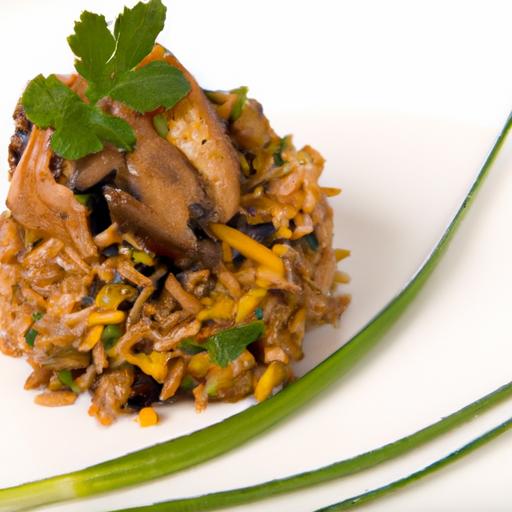
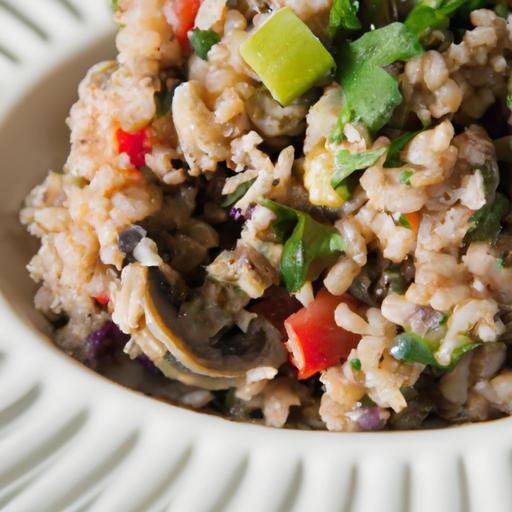
Once you have a bowl of perfectly cooked brown rice, the possibilities to customize and elevate your meal are endless. Stir through fresh herbs like cilantro, basil, or mint for an aromatic burst. Add toasted nuts and seeds for crunch and an extra protein boost. For a satisfying umami twist, gently fold in sautéed mushrooms and caramelized onions. A drizzle of quality sesame oil or a splash of coconut aminos introduces layers of complexity without overwhelming. Brown rice is also an excellent canvas for vibrant grain bowls, paired with roasted vegetables, tangy citrus dressings, or creamy avocado slices to create harmony in both flavor and texture.
Prep and Cook Time
- Prep Time: 10 minutes (plus 30 minutes soaking)
- Cook Time: 45 minutes
Yield
serves 4 as a side dish
Difficulty Level
Easy
Ingredients
- 1 cup organic brown rice, rinsed and drained
- 2 1/4 cups filtered water
- 1/2 teaspoon fine sea salt (optional)
- 1 teaspoon lemon juice (optional, for soaking)
Instructions
- Soak the rice: Place the rinsed brown rice in a bowl and cover with fresh filtered water. add lemon juice if using. Soak for at least 30 minutes or up to 2 hours, then drain thoroughly.
- Boil water: Bring 2 1/4 cups of filtered water to a gentle boil in a medium saucepan. Add salt, if using, and stir to dissolve.
- Add rice: Carefully add the drained brown rice to the boiling water. Stir once to distribute the grains evenly.
- Simmer gently: Reduce heat to low, cover with a tight-fitting lid, and simmer for 40-45 minutes. Avoid lifting the lid or stirring during cooking.
- Rest the rice: remove the saucepan from heat and let it sit, covered, for 10 minutes to steam and firm up.
- Fluff and serve: Use a fork to gently fluff the rice before serving. This aerates the grains, enhancing lightness and texture.
Chef’s Notes
- For even richer flavor, substitute half the water with low-sodium vegetable broth.
- Try adding a cinnamon stick or star anise to the soaking water for subtle aromatic notes.
- Store leftover cooked brown rice in an airtight container in the fridge for up to 4 days or freeze portions for up to 3 months.
- If your rice turns out too firm, add a splash of boiling water, cover, and steam for another 5-10 minutes off heat.
- Use a heavy-bottomed pot to prevent scorching and ensure even heat distribution.
Serving Suggestions
Present your brown rice as a rustic side with colorful bell peppers, tender sautéed greens, or hearty roasted chickpeas. Garnish with freshly chopped herbs like parsley or scallions for vibrancy. A light sprinkle of toasted almonds or pumpkin seeds adds a satisfying crunch and visual appeal. For a finishing touch, drizzle a little high-quality extra virgin olive oil or tahini sauce to bring all the flavors together beautifully.

| nutrient | Per Serving |
|---|---|
| Calories | 215 kcal |
| Protein | 5 g |
| Carbohydrates | 45 g |
| Fat | 1.8 g |
For more wholesome rice cooking tips, check out our Whole Grain Cooking Guide. Discover the nutritional science behind brown rice on Harvard’s Nutrition Source.
Q&A
Q&A: Mastering Brown Rice – A Simple Guide to Perfect Cooking
Q1: What makes brown rice different from white rice?
A1: Brown rice is a whole grain that retains its bran and germ layers, making it richer in fiber, vitamins, and minerals than white rice. This hearty exterior also means it has a chewier texture and nuttier flavor, and also a longer cooking time.
Q2: How can I achieve fluffy, perfectly cooked brown rice every time?
A2: The secret lies in rinsing, precise water ratios, and patience. start by rinsing the rice under cold water to remove excess starch. Use about 2 ½ cups of water for every cup of brown rice, bring it to a boil, then simmer gently with the lid on for around 40-45 minutes. Let it rest off the heat for 10 minutes to steam through before fluffing with a fork.
Q3: Is soaking brown rice before cooking necessary?
A3: Soaking isn’t mandatory,but it’s a game-changer. Soaking for 30 minutes to a few hours softens the grains, reduces cooking time, and can make the rice more digestible. Think of it as giving your rice a gentle spa treatment.
Q4: Can I cook brown rice in a rice cooker or Instant Pot?
A4: Absolutely! Rice cookers simplify the process-use the same water-to-rice ratio and select the brown rice setting if available. Instant Pots cut the cooking time to about 20-22 minutes under high pressure, plus a natural release to finish steaming. Both tools deliver consistent, foolproof results.
Q5: How can I add flavor to brown rice without overpowering its natural nuttiness?
A5: Enhance brown rice by cooking it in vegetable or mushroom broth instead of water. Toss in aromatic herbs like thyme or bay leaves during cooking, or stir in toasted nuts, sautéed garlic, or fresh chopped herbs once cooked. These subtle touches highlight the rice’s inherent charm without masking it.
Q6: What’s the best way to store cooked brown rice?
A6: Cool the rice quickly to avoid bacteria growth, then store in an airtight container in the refrigerator for up to 4-5 days. For longer storage, freeze cooked rice in portioned bags for up to 3 months. To reheat, sprinkle a little water and warm it gently to revive the moisture.
Q7: Can brown rice be used in dishes beyond just a side?
A7: Definitely! Brown rice can be the hearty base for grain bowls, a stuffing in vegetables, or a wholesome addition to soups and salads. Its robust texture stands up well to bold flavors and creative culinary play.
Q8: Why does my brown rice sometimes turn out mushy or undercooked?
A8: Mushy rice usually means too much water or overcooking, while undercooked rice typically results from insufficient water or too short a cooking time. Remember: measuring water and cooking times carefully-plus giving it a rest after cooking-will keep your grains just right.
Embrace brown rice’s rustic charm with these simple tips, and soon you’ll be cooking a pot that’s both nutritious and tasty every time. happy mastering!
Wrapping Up
With these simple yet effective techniques in your culinary arsenal, mastering brown rice transforms from a daunting task into a delightful routine. Embrace the nutty flavor, the satisfying chew, and the wholesome goodness that perfectly cooked brown rice brings to your table. Whether as a side dish or a hearty base, your newfound skill will elevate everyday meals into nourishing experiences. So, don’t just cook brown rice-master it, and let every grain tell the story of patience, precision, and plain deliciousness.