


In the ever-creative world of baking, removing eggs, gluten, and dairy doesn’t limit possibility—it expands it. Welcome to the innovative realm of egg-free, gluten-free, and dairy-free baking, where thoughtful ingredients and smart techniques create treats that are both inclusive and irresistible.
This isn’t just about substitutions—it’s about discovering new flavors, textures, and creative approaches that make every bake shine. Whether you’re managing dietary needs or simply exploring something new, this guide will help you craft allergy-friendly delights without sacrificing taste or texture. Let’s turn your kitchen into a space where creativity and deliciousness rise together.
Mastering egg-free, gluten-free & dairy-free baking delights opens up a world where indulgence meets innovation, allowing culinary enthusiasts and those with dietary restrictions alike to enjoy luscious treats without compromise. Understanding the scientific foundation of these transformative recipes reveals how strategic ingredient swaps and baking techniques can craft unusual textures and flavors, rivaling any traditional baked good.
Prep and Cook Time
Preparation: 15 minutes | Cook time: 30 minutes | Total Time: 45 minutes
Yield
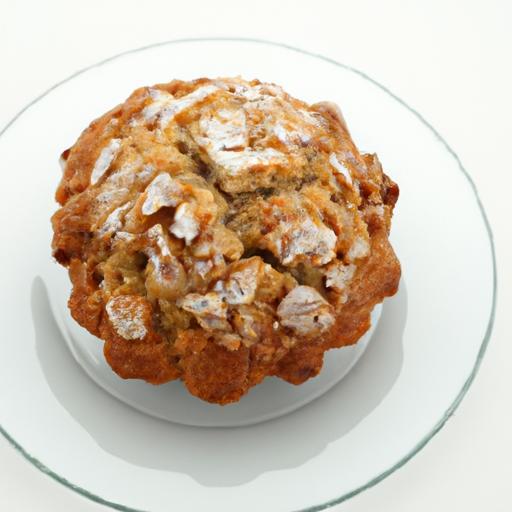
– Makes 12 beautifully moist,perfectly risen muffins
Difficulty Level
– Medium: Ideal for bakers comfortable experimenting with alternative flours and binders
Ingredients
- 1 ¼ cups gluten-free oat flour,sifted for airiness
- ¾ cup almond flour,finely ground for texture
- 1 tsp baking powder,gluten-free
- ½ tsp baking soda
- ½ tsp sea salt
- 1 tbsp ground flaxseed mixed with 3 tbsp warm water (flax egg)
- 1 tsp apple cider vinegar to activate lift
- ½ cup coconut sugar for natural sweetness
- 1 cup unsweetened almond milk or your preferred plant milk
- ⅓ cup refined coconut oil,melted
- 1 tsp vanilla extract
- ½ cup fresh blueberries or seasonal fruit (optional)
Instructions
- Preheat your oven to 350°F (175°C) and line a 12-cup muffin tin with parchment liners or lightly grease with coconut oil.
- In a small bowl, combine the ground flaxseed with warm water; stir well and set aside for 5 minutes until gelatinous, forming your “flax egg.”
- In a large mixing bowl, whisk together gluten-free oat flour, almond flour, baking powder, baking soda, sea salt, and coconut sugar until fully combined and aerated.
- In a separate bowl, blend the flax egg, almond milk, melted coconut oil, apple cider vinegar, and vanilla extract until smooth and fragrant.
- Slowly pour the wet ingredients into the dry mixture, folding gently with a silicone spatula until just combined; avoid overmixing to preserve rise and tenderness.
- Carefully fold in the fresh blueberries, ensuring even distribution without crushing the berries.
- Divide the batter evenly among muffin cups, filling each about ¾ full to encourage proper expansion.
- Bake for 25-30 minutes or until a toothpick inserted in the center comes out clean and the tops are golden and springy to touch.
- Remove the muffins from the oven and let cool in the tin for 10 minutes before transferring to a wire rack to cool completely, allowing thier crumb to set perfectly.
Chef’s notes: Mastering Egg-Free, Gluten-Free & Dairy-Free Baking delights
- Alternative Binders: Chia seeds make a fantastic substitute for flaxseed in your “egg” binder.Mix 1 tbsp chia seeds with 3 tbsp water and let sit until gelled.
- Flour swaps: For a nuttier depth, try replacing half the oat flour with cassava or sorghum flour, but adjust liquid slightly to avoid dryness.
- Moisture magic: Adding a few tablespoons of unsweetened applesauce or mashed banana can boost moisture and sweetness naturally, perfect for muffin recipes.
- Leavening insight: The combination of baking soda and vinegar is vital, as the acid-base reaction creates the lift and fluffiness often lost without eggs.
- Make ahead: Store these muffins in an airtight container at room temperature for up to 3 days, or freeze for longer freshness; thaw gently before serving.
Serving Suggestions
These muffins shine when served slightly warm,adorned with a gentle pat of vegan butter or a drizzle of pure maple syrup. For added luxury, a scattering of toasted coconut flakes on top adds crunch and subtle tropical notes.Pair with a cup of herbal tea or a frothy almond latte for an inviting breakfast or afternoon treat. Their naturally tender crumb and delicate sweetness also render them ideal for creative brunch spreads or gifts wrapped in parchment and twine.

| Nutrient | Per Muffin |
|---|---|
| Calories | 180 kcal |
| Protein | 5 g |
| Carbohydrates | 22 g |
| Fat | 9 g |
To explore other delightful allergy-friendly recipes, check out our Vegan Desserts Collection. For more science-backed tips on gluten-free baking, visit Celiac Disease Foundation.
Q&A
Q&A: Mastering Egg-Free, Gluten-Free & Dairy-free Baking Delights
Q1: Why bake without eggs, gluten, and dairy? Isn’t it too challenging?
A1: Baking without eggs, gluten, and dairy might seem intimidating at first, but it opens a world of possibilities for those with allergies, intolerances, or lifestyle choices. Embracing these restrictions pushes creativity, inspiring bakers to discover new textures, flavors, and techniques. With the right ingredients and methods, you can create delightful treats that everyone will enjoy-no compromise needed!
Q2: What are the best substitutes for eggs in baking?
A2: Eggs provide structure, moisture, and binding, but luckily, nature offers several fantastic alternatives. Common substitutes include flaxseed meal mixed with water (a lovely egg replacer that adds a subtle nutty flavor), chia seeds soaked in water, mashed bananas, applesauce, or even silken tofu. each option brings its own charm and texture, so experimenting to find your favorite is part of the fun.
Q3: How can I replace gluten in my favorite recipes?
A3: Gluten’s unique elasticity challenges bakers who steer clear of it, but blends of gluten-free flours-like rice flour, almond flour, coconut flour, and tapioca starch-create a rich palette to work from. Using xanthan gum or guar gum helps mimic gluten’s binding power, giving your doughs structure without the worry of crumbling. Combining several gluten-free flours often yields the best taste and texture.
Q4: What tips help maintain moisture when avoiding dairy?
A4: Dairy frequently enough adds richness and softness, so replacing it thoughtfully is key. Plant-based milks (almond, oat, coconut, or soy) add moisture, while oils such as coconut or avocado supply richness. Pureed fruits like pumpkin or avocado can also contribute creaminess and hydration. Balancing these elements ensures your baked goods stay tender and flavorful.
Q5: Can I still achieve fluffy and light textures without traditional ingredients?
A5: Absolutely! The secret lies in proper leavening and mixing techniques.Baking soda and baking powder remain essential players, and using vinegar or lemon juice can boost rise when combined with baking soda. Whisking aquafaba (the liquid from cooked chickpeas) mimics whipped egg whites, providing airiness for cakes and meringues. With a little practice, fluffy perfection is within reach.
Q6: How do flavor profiles change when baking egg-, gluten-, and dairy-free?
A6: These dietary swaps encourage new flavor adventures.Nut flours can add warmth and depth; coconut milk brings a subtle tropical note; spices like cinnamon, cardamom, and vanilla become stars, enhancing natural sweetness and complexity. The absence of some traditional ingredients lets vibrant plant-based flavors shine more boldly!
Q7: What are some foolproof beginner recipes to start with?
A7: Think simple and forgiving: banana oat cookies, chickpea blondies, or flaxseed brownies are excellent starting points. These recipes frequently enough rely on natural binders and don’t demand perfect technique, allowing you to focus on mastering ingredient swaps and getting comfortable with new textures.
Q8: How do I store egg-, gluten-, and dairy-free baked goods to keep them fresh?
A8: without traditional preservatives and moisture-retaining fats, shelf life might potentially be shorter. Store your treats in airtight containers at room temperature for a couple of days, or pop them in the fridge to extend freshness.Manny items freeze beautifully-wrap in parchment and seal in a freezer bag, then thaw gently before enjoying.
Q9: Can I incorporate savory options in this style of baking?
A9: Definitely! Egg-, gluten-, and dairy-free baking aren’t just for sweets. Think crusty flatbreads, herbed scones made from chickpea flour, or savory muffins with roasted veggies and nutritional yeast. These creations prove that allergy-friendly baking can nourish all your cravings,sweet or savory.
Q10: Where can I find inspiration and support on this baking journey?
A10: The community of allergy-conscious and plant-based bakers is vibrant and growing! Online forums, social media groups, and specialty blogs offer recipes, troubleshooting tips, and mouthwatering photos to keep your motivation high. Remember, every batch teaches you something new-embrace the adventure with curiosity and joy.
in summary
Whether you’re navigating allergies, embracing a plant-based lifestyle, or simply eager to explore new baking horizons, mastering egg-free, gluten-free, and dairy-free delights opens up a world of appetizing possibilities.With a little creativity and the right techniques, you can transform humble ingredients into irresistible treats that satisfy every palate. So, don your apron with confidence, experiment fearlessly, and let your oven bring these allergy-friendly masterpieces to life-as truly inclusive baking isn’t just a skill, it’s a joyful journey toward tastier, healthier creations for all.