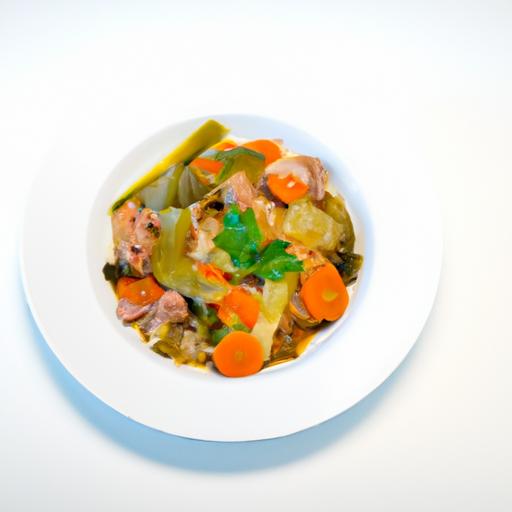

In the fast-paced rhythm of modern life, savoring homemade meals often takes a backseat to convenience. Yet, wiht a little foresight and savvy strategies, meal prepping can transform from a rushed chore into a culinary art form that saves time, reduces waste, and delights the taste buds. the secret? Mastering the science and savvy of smart storage. From airtight containers to temperature tricks, the way you store your food is just as crucial as the recipes you choose. In this article, we’ll dive into expert tips and creative hacks to keep your prepped meals bursting with freshness and flavor-so every bite feels like it was made just moments ago.
Mastering Meal Prep: Smart Storage Tips for Freshness & Flavor transform your weekly cooking routine, ensuring every bite tastes just as vibrant as the moment it was made. A crucial part of this journey is choosing the right containers that lock in freshness while maintaining the integrity of your meals. With the proper blend of container types, temperature control, innovative preservation techniques, and smart labeling, your meal prep will not only save time but also deliver consistently delightful flavors and textures.
Choosing the Right Containers for Optimal Freshness
One of the biggest game-changers in meal prep is investing wisely in containers that match your storage needs. Glass containers with airtight lids are ideal for locking in moisture and preventing odor transfer, making them perfect for sauces and stews. Alternatively, BPA-free plastic containers bring lightweight convenience for transporting meals on the go, though be mindful of staining foods and microwaving limitations. Vacuum-sealed bags or containers offer ultimate freshness by reducing air exposure drastically,preserving delicate textures and extending shelf life.
Remember, containers with compartmental features help keep ingredients separate, preventing sogginess-think crisp vegetables apart from saucy dressings until ready to eat. Clear containers make it visually easy to identify contents, reducing guesswork during busy weekdays.
Harnessing the Power of Temperature Control in Meal Storage
Temperature is your silent ally in preserving food quality post-cooking. To keep meals fresh and flavorful, always cool food to room temperature before sealing in containers. Placing hot dishes directly in refrigeration causes condensation and accelerates spoilage. Use your refrigerator’s coldest zones,typically the back shelves,for meals meant to last several days.
Consider freezing meals you plan to keep longer than four days; flash-freezing portions on baking trays before packing helps maintain texture and shape. When thawing, always use the fridge or a gentle microwave method to avoid texture degradation and bacterial growth. Temperature consistency inside the fridge or freezer is paramount to keep your prep safe and appetizing.
Innovative Techniques to Preserve Flavor and Texture
Beyond containers and temperature, smart preservation techniques elevate meal prep to an art. Adding a layer of parchment paper between stacked portions prevents layers from sticking, especially useful for baked goods or lasagna portions. Incorporate a drizzle of lemon juice or a splash of quality olive oil on leafy greens to reduce oxidation and maintain vibrancy. For rice, quinoa, and other grains, a tiny pinch of salt or a few drops of oil before storing ensures they stay fluffy.
Utilizing silicone baking cups or dividers inside containers helps in portion control while keeping flavors separate. Another innovative hack is to store dressings or sauces in small, separate containers to add just before eating, preserving crispness and freshness of salads or proteins.
Smart Labeling and Rotation Strategies for Stress-Free Meal Prep
Efficient labeling is the cornerstone of stress-free meal planning. Use waterproof labels and a permanent marker or invest in erasable whiteboard labels for reusable containers. Always include the date of preparation and a brief description (e.g., “Chickpea Curry – 03/15”) to facilitate easy identification and prevent accidental waste.
Adopt the “first in, first out” (FIFO) system: rotate your meals by placing newly prepped containers at the back, so older ones are eaten first. This simple rotation technique prevents spoilage and encourages variety in your weekly menu. Storing meals by type or meal timing (breakfast, lunch, dinner) creates a logical flow in the fridge, enhancing your meal prep experience.
Prep and Cook Time
- Prep Time: 20 minutes
- Cook Time: varies by dish (reheating times 5-10 minutes)
- Total time: 20 minutes prep + meal-specific cooking
Yield
Yields approximately 4-6 servings per container set, customizable to portion size preferences.
Difficulty Level
Easy to Medium – Ideal for beginners looking to streamline meal prep or experienced home cooks aiming for efficiency.
Ingredients
- Glass containers with airtight lids (various sizes)
- BPA-free plastic containers with secure sealing
- Vacuum-sealed bags or containers
- Parchment paper or silicone dividers for portion separation
- Permanent waterproof markers or whiteboard labels for containers
- Lemon juice (freshly squeezed, optional for freshness)
- High-quality extra virgin olive oil (optional)
- Small portion cups or sauce containers for dressings and toppings
Instructions
- Choose containers based on meal type: glass for steaming/sauces, plastic for dry and cold meals, vacuum-seal for long-term storage.
- Cool meals entirely at room temperature before packaging to reduce condensation and bacterial growth inside containers.
- Use parchment paper or silicone dividers between stacked portions to avoid sticking and maintain texture integrity.
- Add lemon juice or olive oil lightly on greens or grains to help preserve color and moisture.
- Portion dressings and sauces separately in small containers to keep salad components crisp.
- Seal containers tightly, ensuring lids close firmly and no air pockets remain.
- Label containers clearly with the date and meal name using waterproof markers or reusable labels.
- Organize fridge storage by placing newer meals at the back and older ones front for FIFO rotation.
- Freeze meals intended for later use, flash-freezing individual portions before packaging to maintain shape and flavor.
- Reheat meals gently in the microwave or on the stovetop to preserve texture-avoid overheating wich can dry out foods.
Tips for Success
- Invest in stackable containers to maximize fridge and freezer space.
- Label with preparation dates and reheat instructions for swift, stress-free meals.
- Freeze bulky meals in individual portions to prevent waste and thaw only what you need.
- Use recycled silicone lids or beeswax wraps for eco-friendly covering options.
- Store leafy herbs wrapped in a damp paper towel within containers to extend their fresh life.
Serving Suggestions
Serve meals straight from containers or plate them artistically with fresh herbs, citrus zest, or a drizzle of quality olive oil for added depth. Complement with side salads or fresh fruit to balance textures and flavors. If using glass containers, meals look inherently inviting with visible layers of colorful ingredients, perfect for quick and beautiful presentation.
| Container Type | Ideal Use | Pros | Cons |
|---|---|---|---|
| Glass | Hot/cold meals, microwave-safe | non-toxic, dishwasher safe, odor-resistant | Heavier, breakable |
| Plastic (BPA-free) | Cold meals, portability | Lightweight, affordable | Stains/retains smells, limited microwave use |
| Vacuum Sealed | Long-term freezing | Extended freshness, less freezer burn | Requires special equipment, single-use bags |
Explore flavorful vegetarian meal prep recipes to complement your fresh storage methods. For science-backed storage tips, check out USDA’s food storage guidelines.

Q&A
Q: Why is mastering meal prep significant for maintaining freshness and flavor?
A: Mastering meal prep transforms your kitchen routine from chaotic to streamlined, ensuring every bite tastes as vibrant as the day it was made. When you prep smartly, you lock in nutrients, preserve textures, and eliminate the dreaded soggy or bland leftovers, making healthy eating both effortless and enjoyable.
Q: What are the key principles of smart storage to keep meals tasting fresh?
A: The magic lies in choosing the right containers, controlling temperature, and understanding food pairings. Airtight containers shield food from air and moisture, chilling slows bacterial growth, and separating sauces or dressings until just before eating prevents sogginess. It’s like giving your meals a cozy, flavor-preserving hug.
Q: Which containers work best for meal prepping?
A: Opt for BPA-free glass or high-quality plastic containers with clear lids so you can spot your tasty treasures at a glance. Glass jars also double as perfect vessels for layered salads or overnight oats, while silicone bags are flexible wonders for freezing and portioning. The key is airtight seals that keep odor and moisture at bay.
Q: How can I prevent vegetables from turning limp or soggy after storage?
A: Keep veggies crisp by prepping them just right: washing and thoroughly drying leafy greens before packing, placing paper towels inside containers to absorb excess moisture, and storing delicate items separately from wet dressings. For heartier veggies, lightly steaming rather than cooking until fully soft ensures they stay lively in flavor and texture.
Q: What’s the best way to store cooked grains and proteins to maintain their taste and texture?
A: cooked grains like quinoa or brown rice should cool completely before sealing in containers to avoid condensation buildup. Proteins such as chicken, fish, or plant-based alternatives are happiest when cooled quickly and stored in airtight compartments, ideally with a bit of marinade or sauce to keep them moist and tantalizing.
Q: How can freezing be used effectively without compromising flavor?
A: Freeze meals in single portions with minimal air exposure, using vacuum-sealed bags or tightly sealed containers. Flash freezing ingredients before combining can help retain texture. When thawing,do so gently in the fridge overnight rather than microwaving straight from frozen to preserve the juicy,fresh essence.
Q: Are there any tips for preserving herbs and fresh garnishes during meal prep?
A: Absolutely! Herbs are like little flavor explosions that must be treated with care. Store them wrapped loosely in damp paper towels inside breathable containers or mason jars with a bit of water at the base. Freeze chopped herbs in ice cube trays with olive oil or broth to lock in aromatic oils, ready to pop directly into cooked dishes.
Q: How critically important is labeling and organizing in meal prep storage?
A: Think of labeling as your meal prep’s personal assistant. Clear labels with dates and contents keep your fridge and freezer organized, reduce food waste, and make it easier to rotate meals. When storage is neat and planned, each meal prep session becomes a smooth, stress-free adventure.
Q: Can combining certain foods during storage effect their freshness?
A: Definitely. Some veggies release gases that prematurely ripen or spoil others-like apples and avocados-so keep these separate. Also,storing acidic foods near metal can alter both texture and taste. Prepping components separately and assembling them before eating ensures peak freshness and flavor harmony.
Q: What final advice would you give to someone eager to elevate their meal prep game?
A: Treat your meal prep like an art form-layer textures, balance flavors, and then protect your culinary canvas with thoughtful storage. With the right techniques, your fridge becomes a treasure trove of deliciousness, ready to fuel your day with ease and excitement.Remember, freshness isn’t just about ingredients; it’s about the care you put into every step from kitchen to container.
Concluding Remarks
mastering meal prep is more than just a time-saver-it’s an art of preserving the vibrant flavors and wholesome freshness that make every bite a delight. With smart storage strategies in your toolkit, you’re not just extending shelf life; you’re unlocking the secret to delicious, ready-to-enjoy meals that fuel your days with ease and excitement. So,stock those containers wisely,label with intent,and let your fridge become a treasure trove of culinary potential. Here’s to turning meal prep from a chore into a flavorful adventure, one perfectly stored dish at a time.