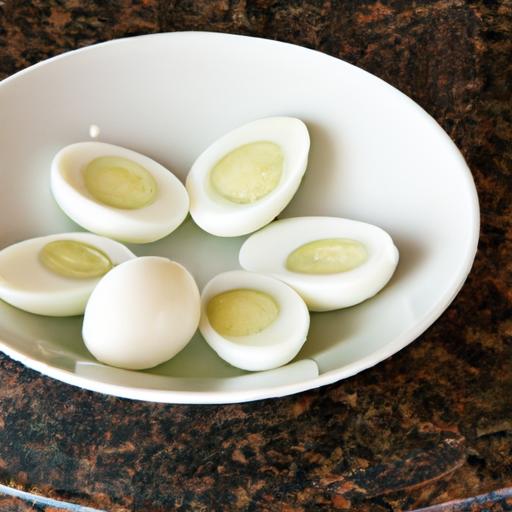

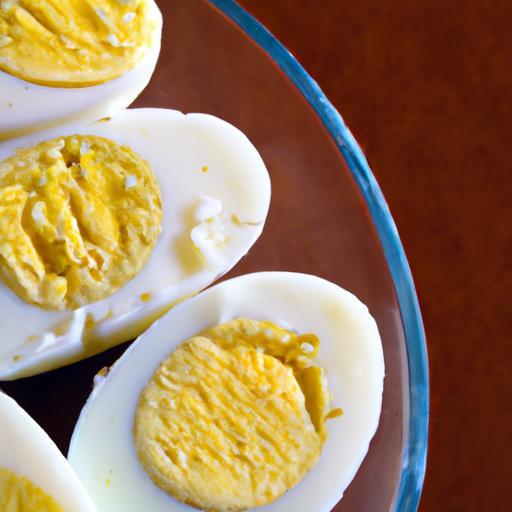
there’s a simple joy nestled in the humble hard-boiled egg-a perfect protein-packed snack, a protein pillar in salads, and an unassuming hero at brunch tables worldwide. But anyone who’s ever struggled wiht cracking that slippery shell or peeling off stubborn bits knows it’s not always as straightforward as it seems. Welcome to “Crack the Code: Mastering the Art of Hard-Boiled Eggs,” where we unravel the secrets behind achieving flawless shells, tender whites, and luscious, creamy yolks every time. Weather you’re a kitchen novice or a culinary enthusiast, this guide will transform the way you approach this classic staple, turning a daily chore into an effortless ritual. ready to crack it? Let’s dive in.
Crack the Code: Mastering the Art of Hard-Boiled Eggs begins right from understanding the captivating chemistry behind eggs and the precise timing that unlocks their ideal texture. Whether you’re aiming for creamy yolks or a perfectly firm bite, mastering these nuances will elevate your egg-boiling game to new heights. Imagine slicing into an egg where the white snaps tenderly away from the shell,revealing a vibrant,velvety yolk – it’s simpler than you think with the right approach.
Prep and cook Time
- Preparation: 5 minutes
- Cooking: 9-12 minutes (depending on desired doneness)
- Cooling: 5 minutes
- Total: Approximately 20-22 minutes
Yield
Yields 6 perfectly hard-boiled eggs,ideal for snacks,salads,or elegant appetizers.
Difficulty Level
Easy – Perfect for beginners and seasoned cooks alike!
Ingredients
- 6 large eggs, preferably organic and at room temperature
- 1 tablespoon white vinegar (optional, aids peeling)
- 1 teaspoon kosher salt
- Cold water, enough to cover the eggs by at least an inch
- Ice cubes for ice bath
Instructions
- Bring eggs to room temperature. let your eggs rest out of the fridge for 20 minutes – this prevents cracking caused by temperature shock and promotes even cooking.
- Prepare the pot. Place eggs in a single layer in a medium saucepan. Add cold water till the eggs are covered by at least 1 inch. Stir in the vinegar and kosher salt-both help with coagulation and make peeling smoother.
- Heat gradually. Place the pot over medium-high heat and bring water to a gentle, rolling boil. Avoid a rapid boil as it can jostle eggs and crack their shells.
- Time your boil precisely. Once boiling, immediately cover the pot with a lid, remove from heat, and set a timer: 9 minutes for creamy yet set yolks, or 12 minutes for fully firm yolks. This “carryover cooking” creates perfect texture without overcooking.
- Shock in an ice bath. Once the timer goes off, carefully transfer eggs to a large bowl of ice water. The cold bath instantly halts cooking to lock in texture and eases peeling by shrinking the egg inside the shell.
- Peeling technique. Gently tap each egg on a hard surface, then roll under your palm to crack the shell extensively. Start peeling from the wider end where the air pocket resides, using cool running water to slide off stubborn bits of shell effortlessly.
Chef’s notes: Tips for Success
- Use slightly older eggs. Fresher eggs are harder to peel-if you can, buy eggs a week ahead of time for ideal peeling performance.
- Vinegar and salt aren’t mandatory but highly recommended. They strengthen eggs’ protein matrix and create a protective layer that prevents the whites from leaking if cracks form in the shell.
- Don’t skip the ice bath. It helps halt the cooking process immediately and cools the eggs for safer handling.
- For ultra-smooth yolks, try adding a tiny pinch of baking soda to the water, wich raises the pH slightly, tenderizing the egg white and easing peeling.
- Make-ahead pro tip: Store peeled eggs submerged in water in an airtight container in the fridge for up to 2 days to keep them fresh and moist.
Serving Suggestions
Hard-boiled eggs are wonderfully versatile. Slice and sprinkle with smoked paprika and fresh chives for a vibrant snack, or halve and spoon creamy avocado puree over the yolks for a simple, elegant appetizer. For a refreshing salad, chop eggs finely and toss with crisp greens, a squeeze of lemon juice, and a drizzle of olive oil. Garnish with microgreens or edible flowers to impress at brunch or tea time.

| Nutrition per Egg | Calories | Protein | Carbs | Fat |
|---|---|---|---|---|
| 1 large hard-boiled egg | 78 kcal | 6.3 g | 0.6 g | 5.3 g |
Understanding Egg Chemistry and Timing to Perfect Texture
The transformation from liquid to solid inside your egg hinges on proteins coagulating at critical temperatures. The whites begin firming at around 140°F (60°C), while yolks thicken near 149-158°F (65-70°C). overcooking pushes proteins to tighten excessively, causing that dreaded green-gray ring-signaling iron and sulfur compounds reacting at the yolk’s surface.
by controlling heat and timing meticulously, crack the code: mastering the art of hard-boiled eggs becomes a ritual that celebrates science meeting culinary art.
Helpful Resources
For deeper insights into the science behind eggs, visit the Serious Eats guide to hard-boiled eggs, a trusted resource packed with tested techniques and troubleshooting tips.
Explore more easy egg recipes in our Simple Egg Dishes collection to keep breakfast exciting and fresh!
Q&A
Q&A: Crack the Code: Mastering the Art of Hard-Boiled eggs
Q1: Why do some hard-boiled eggs get that greenish ring around the yolk?
A1: The infamous green ring is caused by a reaction between sulfur in the egg white and iron in the yolk. When eggs are overcooked or rapidly cooled, the sulfur and iron bond, creating that telltale ring. while it’s harmless, perfectly timed cooking and cooling can definitely help you avoid it and keep your yolks vibrant and creamy.
Q2: What’s the perfect method to ensure a hard-boiled egg comes out with a tender white and a creamy yolk?
A2: Start with room-temperature eggs and place them in cold water. Bring the water to a gentle boil,then reduce the heat and simmer for exactly 9-12 minutes depending on size. Immediately transfer eggs to an ice bath to stop cooking and set the texture. This balance locks in a tender white without turning the yolk chalky.
Q3: Why do some hard-boiled eggs become tough or rubbery?
A3: Overcooking heats the proteins in egg whites too much, causing them to tighten and become rubbery. Achieving a tender texture requires precise timing and speedy cooling. Avoid boiling vigorously once the egg is in the pot-gentle simmering is key.
Q4: Can fresh eggs be harder to peel after boiling?
A4: Yes! Fresh eggs have a lower pH, causing the membrane to stick firmly to the shell.For easier peeling, consider using eggs that are at least a week old. Alternatively, steaming eggs instead of boiling them can help loosen the membrane regardless of freshness.
Q5: What’s a creative tip to make peeling hard-boiled eggs easier?
A5: after cooling your eggs in ice water, gently crack the shell all over and then roll the egg on the counter to loosen the shell. Submerging the egg back in water while peeling helps the shell slip off smoothly. The water seeps under the membrane, making removal a breeze.
Q6: Are there any unique flavoring ideas to enhance hard-boiled eggs without overpowering their natural taste?
A6: Absolutely! Try soaking peeled eggs in a light brine of salted water with fresh herbs like dill or chives for an hour. A sprinkle of smoked paprika or a dash of lemon zest can elevate the experience, adding subtle complexity without masking the classic egg flavor.
Q7: How can I store hard-boiled eggs to keep them fresh and delicious?
A7: Keep unpeeled hard-boiled eggs in a sealed container in the refrigerator for up to one week. If peeled, place them in a bowl of cold water, changing the water daily, or wrap them tightly in damp paper towels inside an airtight container to maintain moisture.
Q8: What’s the best way to use hard-boiled eggs beyond simple snacking?
A8: Hard-boiled eggs are surprisingly versatile! Chop them into salads for a protein boost, slice them atop avocado toast, blend into creamy deviled eggs, or even incorporate them into a vibrant egg curry. Their subtle flavor acts as a blank canvas for countless culinary adventures.
mastering the hard-boiled egg might seem simple, but with these tips and tricks, you’ll elevate this humble delight into an art form. Crack the code, and enjoy eggs as you never have before!
Future Outlook
As you close the chapter on your hard-boiled egg journey, remember that mastering this humble kitchen staple is more than just timing and technique-it’s an art form that rewards patience, precision, and a little bit of culinary curiosity. Whether you prefer a silky soft center or a firm, sliceable yolk, cracking the code to the perfect hard-boiled egg unlocks endless possibilities-from vibrant salads to protein-packed snacks that fuel your day. So go ahead, embrace the shell, trust the process, and let every egg be a little masterpiece in your culinary repertoire. After all, in the world of eggs, perfection is just a boil away.