
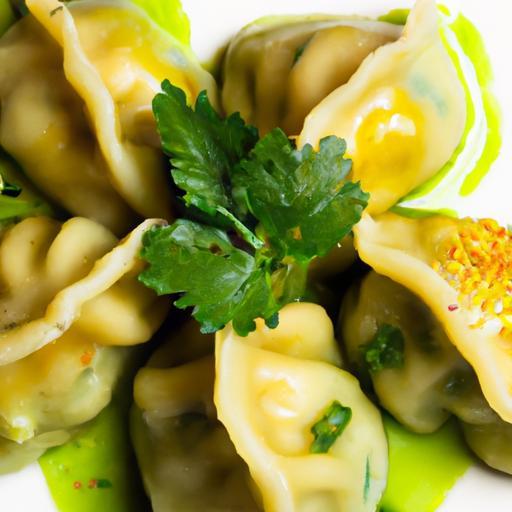
In the bustling world of culinary innovation, a quiet revolution is steaming its way into the hearts-and stomachs-of food lovers everywhere. Meet the vegan dumpling: a delightful fusion of tradition and modern taste, where age-old recipes meet vibrant plant-based ingredients. Once a niche delight, these little parcels of flavor are now flourishing on menus and dinner tables alike, embodying a movement that’s as tasty as it is conscious.Join us as we unwrap the story behind the rise of vegan dumplings today, exploring how this tasty trend is reshaping comfort food, one savory bite at a time.
Deliciously Plant-Based: The Rise of Vegan Dumplings Today invites food lovers into a vibrant world where tradition meets innovation on every plate. These delicate parcels, brimming with savory plant-based fillings, are not only a celebration of cultural heritage but also a testament to how culinary creativity can flourish without animal products. From the bustling streets of Asia to home kitchens worldwide, vegan dumplings have become a beloved comfort food, offering layers of texture and bursts of umami with every bite.
Prep and Cook Time
- preparation time: 30 minutes
- Cooking time: 15 minutes
- total time: 45 minutes
Yield
Approximately 30 dumplings (serves 4 as an appetizer or 2 as a main course)
Difficulty Level
Medium – Perfect for home cooks ready to explore dumpling folding and flavor layering techniques
Ingredients
- For the dough:
- 2 cups all-purpose flour,sifted
- 3/4 cup warm water
- 1/2 tsp salt
- For the filling:
- 1 cup finely chopped shiitake mushrooms
- 1 cup shredded napa cabbage
- 1/2 cup grated carrot
- 1/2 cup finely chopped firm tofu,pressed
- 2 scallions,thinly sliced
- 2 cloves garlic,minced
- 1 tbsp fresh ginger,grated
- 2 tbsp soy sauce or tamari
- 1 tbsp toasted sesame oil
- 1 tsp maple syrup
- Freshly ground black pepper,to taste
- 2 tbsp vegetable oil (for sautéing)
- For dipping sauce:
- 3 tbsp soy sauce
- 1 tbsp rice vinegar
- 1 tsp chili oil (optional)
- 1 tsp toasted sesame seeds
- 1 tsp finely chopped fresh cilantro
Instructions
- Make the dough: In a large bowl,combine the flour and salt. Gradually add warm water, stirring with chopsticks or a wooden spoon until a shaggy dough forms.
- Knead the dough: Transfer dough to a lightly floured surface and knead for 8-10 minutes until smooth and elastic. Cover with a damp cloth and let rest for 30 minutes.
- Prepare the filling: Heat vegetable oil in a skillet over medium heat. Add garlic and ginger, sauté 1 minute until fragrant.
- Add mushrooms and cabbage: Cook until softened and moisture evaporates, about 6-8 minutes, stirring often.
- Mix in carrot, tofu, and scallions: Cook 2-3 minutes, then remove from heat.
- Season filling: Stir in soy sauce, sesame oil, maple syrup, and black pepper. Allow to cool wholly.
- Roll out the dough: divide dough into 30 equal pieces. roll each into a 3-inch thin circle.
- Assemble dumplings: Place 1 tbsp filling in center of each wrapper. Fold and pleat edges to seal tightly, ensuring no air pockets.
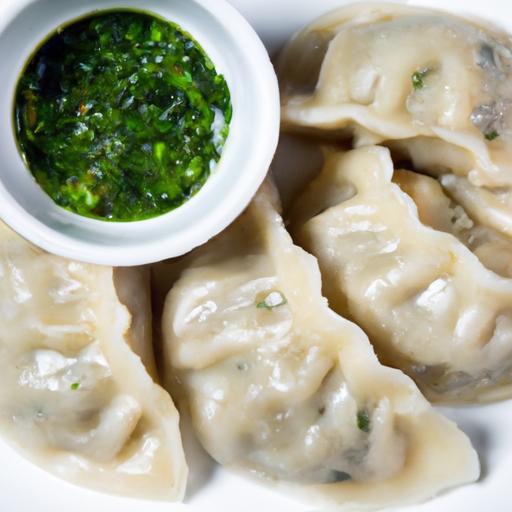
- Cook dumplings: Heat a non-stick pan with 1 tbsp oil over medium heat. Arrange dumplings flat-side down; cook until bottoms are golden, about 3-4 minutes.
- Add water and steam: Pour 1/4 cup water into pan, cover immediately with lid. Steam until water evaporates, about 5-6 minutes. Remove lid and cook an additional 1-2 minutes to crisp bottom.
- Serve: Plate dumplings with dipping sauce on the side and garnish with toasted sesame seeds and fresh cilantro.
Tips for Success
- Keep the dough covered: Prevent it from drying out by covering with a damp towel during rest and rolling stages.
- Customize fillings: Experiment with kale, jackfruit, or lentils for varied textures and nutrients.
- Folding techniques: Practice pleating edges or try simple half-moons for easier assembly.
- Make ahead: Freeze raw dumplings on parchment, then transfer to bags. Cook from frozen with a slightly longer steaming time.
- Pan-fry or boil: For crispier dumplings, pan-fry as directed; for softer texture, boil in salted water until dumplings float.
- Watch water quantity: Too much water while steaming will make dumplings soggy-just enough to create steam is ideal.
Serving suggestions
Deliciously Plant-Based dumplings shine when served hot alongside vibrant pickled vegetables or a fresh cucumber salad. Garnish with freshly chopped green onions and a sprinkle of toasted sesame seeds for visual contrast and added crunch. Pair with warm jasmine tea or a chilled kombucha to complement the savory flavors. For a complete plant-based meal, consider a side of steamed bok choy or a spicy peanut noodle salad.

| Nutrient | Per Serving (7 dumplings) |
|---|---|
| Calories | 280 kcal |
| Protein | 10g |
| Carbohydrates | 38g |
| Fat | 7g |
Innovative Ingredients Transforming Conventional Recipes
In the world of vegan dumplings, traditional fillings give way to exciting plant-based combinations like shiitake mushrooms, tofu, and fresh vegetables that create complex layers of flavor. Adding umami-rich ingredients such as miso paste or toasted seaweed flakes can enhance depth without relying on animal products. These innovative tweaks not only respect the heritage of the dish but also introduce a modern twist that excites the palate.
Making Vegan Dumplings At Home: Tips and Must-Have Tools
To achieve the best results, invest in a good rolling pin with smooth edges, a wooden chopping board, and a quality non-stick skillet with a fitted lid for steaming and frying. Silicone dumpling molds are handy for beginners but mastering hand-folding adds a rewarding touch of authenticity. Use a sharp paring knife for finely chopping ingredients and a digital scale for precise measuring. Always keep a damp cloth nearby to cover dough and prevent drying out during prep.
where to Find the Best plant-Based Dumplings Around the Globe
Adventurous food lovers can discover exquisite vegan dumplings beyond home kitchens-from Shanghai’s lively street markets offering vegetarian xiao long bao to San Francisco’s renowned plant-based dumpling pop-ups infusing global flavors. Cities like Taipei, London, and Melbourne boast vibrant vegan scenes with dumpling specialists innovating while honoring tradition. For inspiration and restaurant recommendations, explore Vegan Travel, a trusted resource on the best vegan eats worldwide.
For more plant-based Asian recipes, check out our guide to Crispy Vegan Spring Rolls.
Q&A
Q&A: Deliciously Plant-Based – The Rise of Vegan Dumplings Today
Q: What’s driving the surge in popularity of vegan dumplings today?
A: Vegan dumplings have surged in popularity thanks to a growing global interest in healthy, sustainable, and flavorful plant-based foods. As more people embrace veganism or simply seek to reduce animal products, chefs and home cooks alike are experimenting with vibrant vegetable fillings, hearty legumes, and inventive seasonings. These bite-sized parcels offer both nostalgia and novelty-comfort food reinvented for the conscious consumer.
Q: How do vegan dumplings differ from traditional dumplings?
A: Traditionally, dumplings often feature meat or seafood fillings, but vegan dumplings rely solely on plant-based ingredients. This shift not only accommodates dietary preferences but also encourages creativity. Textures and flavors come alive through mushrooms, tofu, jackfruit, kale, shiitake, or even lentils, layered with ginger, garlic, chives, or chili to create complex, umami-rich bites.
Q: Are vegan dumplings harder to make than their meat-filled counterparts?
A: While the techniques for folding and cooking remain the same, crafting the perfect vegan filling can be a delightful culinary challenge. Balancing moisture, texture, and seasoning is key-too wet, and the dumplings fall apart; too dry, and they lack that satisfying bite.But with a few tips-like using finely chopped vegetables, pressing out excess liquid, or adding textured plant proteins-vegan dumplings are just as accessible and versatile as traditional ones.
Q: How is the rise of vegan dumplings influencing the global food scene?
A: Vegan dumplings are bridging cultures through a shared love of dumpling traditions,from Chinese jiaozi to Japanese gyoza and beyond. Chefs worldwide are innovating plant-based versions that honor regional flavors, making vegan dumplings a delicious ambassador of cultural fusion and sustainability. They’re appearing on menus in both casual eateries and upscale restaurants, proving that plant-based cuisine is not just a trend, but a flavorful culinary evolution.
Q: What are some popular plant-based ingredients used in vegan dumplings?
A: A colorful variety of plants fill vegan dumplings-from earthy shiitake mushrooms and crisp napa cabbage to toasted sesame,fresh cilantro,garlic chives,and creamy tofu. Sweet potatoes,spinach,bamboo shoots,and water chestnuts add texture and sweetness,while spices like five-spice powder or freshly cracked black pepper elevate the flavor profile. Legumes such as chickpeas or lentils provide protein and a satisfying heartiness.
Q: Can vegan dumplings be paired with sauces, and if so, which ones complement them best?
A: Absolutely! Sauces are the perfect accompaniment to vegan dumplings. Classic options include tangy soy sauce with a splash of rice vinegar, spicy chili oil, or fragrant sesame dressing. for a creamy twist, peanut or almond sauces bring richness without overwhelming the delicate vegetable flavors. These sauces bring out the depth and help customize every bite to personal taste.
Q: How can someone new to vegan cooking start making their own dumplings?
A: Start simple! Choose a handful of fresh veggies,a firm tofu or mushroom base,and basic seasonings like garlic,ginger,and soy sauce. Many recipes offer step-by-step guidance on mixing fillings, wrapping dough, and cooking by steaming, boiling, or pan-frying. Don’t be afraid to experiment-the beauty of vegan dumplings is in their adaptability and ease of personalization.
Q: What makes vegan dumplings a perfect option for today’s environmentally conscious foodies?
A: Vegan dumplings shine as a low-impact food choice by replacing animal products with plants, which generally require less water, land, and energy to produce. They offer a delicious way to participate in sustainability without sacrificing flavor or tradition. Every bite supports a healthier planet while celebrating the richness of plant-based ingredients.
Q: Are there any exciting innovations or trends in the world of vegan dumplings right now?
A: Yes! From colorful dumpling wrappers infused with purple sweet potato or spinach to inventive fillings that incorporate superfoods like quinoa or chia seeds, creativity is flourishing. Some chefs are even experimenting with fermentation techniques to enhance umami or incorporating multicultural spices for fusion styles-think curry-filled dumplings or kimchi-infused varieties. The future of vegan dumplings is as vibrant as their fillings.
Deliciously plant-based and creatively crafted, vegan dumplings invite everyone to savor tradition through a fresh, green lens. Whether you’re a seasoned vegan or a curious foodie, these little parcels pack a big punch of flavor and purpose.
In Summary
As the aroma of steaming vegan dumplings continues to fill kitchens and restaurant tables around the world, it’s clear that these plant-based parcels are more than just a culinary trend-they’re a flavorful revolution. Blending tradition with innovation, vegan dumplings invite us to savor the richness of plants in every bite, proving that deliciousness knows no boundaries. Whether you’re a lifelong herbivore or simply curious to explore new tastes,the rise of vegan dumplings offers a vibrant,compassionate,and utterly satisfying journey into the future of food. So next time you crave a snack or meal that delights your palate and honors the planet, remember: the dumpling bowl has never looked so green, or so inviting.