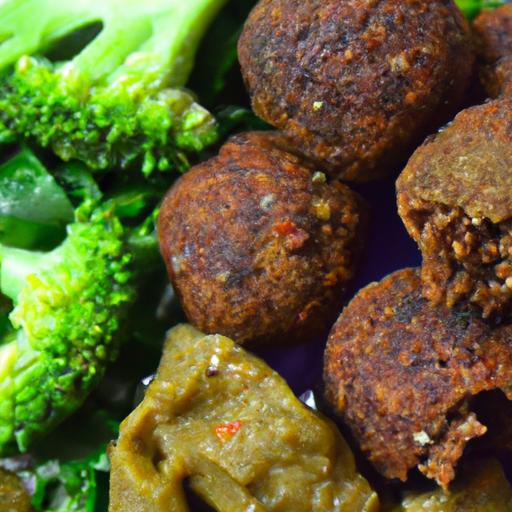

In a world increasingly craving sustainable, nutritious, and delicious alternatives, plant-based cuisine has taken center stage-ushering in a new era of culinary creativity. Enter the power-packed plant protein: a versatile hero that transforms humble ingredients into mouthwatering masterpieces. Among these, vegan meatballs are stealing the spotlight, proving that you don’t need animal products to enjoy rich, satisfying flavors and hearty textures. This article dives into the art and science of crafting vegan meatballs, blending nutrition and taste in a way that honors both the earth and your palate. Get ready to discover how plant proteins can be the cornerstone of your next unforgettable meal.
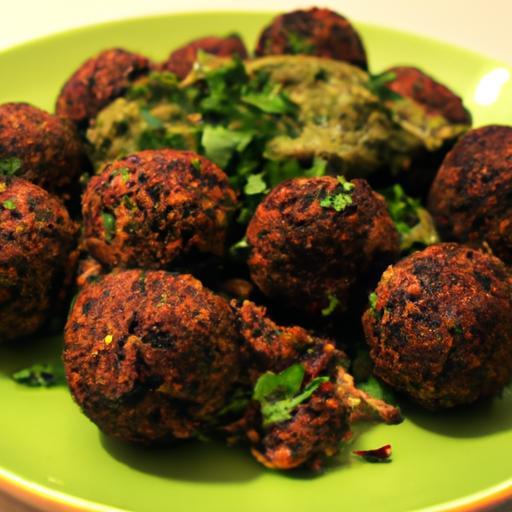
Power-Packed Plant Protein provides the ultimate foundation for crafting vegan meatballs that burst with flavor and satisfy every craving. This recipe transforms humble ingredients into succulent, hearty morsels, promising a culinary experience that’s as nourishing as it is delicious. Drawing inspiration from global comfort food traditions, each bite celebrates the art of plant-based cooking, inviting you to explore new textures and vibrant tastes that elevate your meal to extraordinary.
Prep and Cook Time
- Readiness: 25 minutes
- Cooking: 20 minutes
- Total time: 45 minutes
Yield
Approximately 20 vegan meatballs (serves 4)
Difficulty level
Medium – Perfect for home cooks ready to master texture and flavor balance.
Ingredients
- 1 ½ cups cooked green lentils (firm texture,drained)
- 1 cup cooked quinoa (fluffy and cooled)
- ¾ cup finely chopped cremini mushrooms (for umami depth)
- ½ cup finely diced yellow onion
- 3 cloves garlic,minced
- 1 tbsp ground flaxseed mixed with 3 tbsp water (flax egg)
- ½ cup breadcrumbs (use gluten-free if desired)
- 2 tbsp nutritional yeast (adds a cheesy,savory note)
- 2 tsp smoked paprika
- 1 tsp ground cumin
- 1 tsp dried oregano
- 1 tsp dried basil
- ½ tsp crushed red pepper flakes (optional,for subtle heat)
- Salt and freshly ground black pepper,to taste
- 2 tbsp olive oil (for sautéing and frying)
Instructions
- Prepare the flax egg: In a small bowl,mix ground flaxseed with water. Set aside for 5 minutes until gelled. This will provide natural binding without altering flavor.
- Sauté vegetables: Heat 1 tbsp olive oil in a skillet over medium heat. Add onions and mushrooms, cooking until golden and moisture evaporates (about 7 minutes). Stir in garlic last, sautéing 1 more minute. this step unlocks deep, savory undertones essential to the Power-Packed Plant Protein base.
- Combine base ingredients: In a large bowl,add the green lentils,quinoa,sautéed veggies,breadcrumbs,nutritional yeast,smoked paprika,cumin,oregano,basil,red pepper flakes,and seasoning. Incorporate the flax egg and stir gently but thoroughly until the mixture holds together when pressed.
- Form meatballs: With damp hands, shape the mixture into golf ball-sized meatballs (about 1 ½ inches diameter). Place them on a parchment-lined tray to prevent sticking.
- Cook the meatballs: Heat remaining olive oil in a large non-stick skillet over medium heat. Carefully add meatballs in batches, cooking until golden and crisp on all sides (approximately 5-6 minutes). Turn frequently to ensure even browning, which locks in moisture and flavor.
- Optional baking finish: Transfer browned meatballs to a preheated oven at 350°F (175°C) for 10 minutes to firm up texture while ensuring tenderness inside.
- Serve warm: Pair your vegan meatballs with your favorite sauce and garnish. This final step binds the elements harmoniously, resulting in a dish that’s delightfully balanced and irresistibly satisfying.
Tips for Success
- experiment with your plant protein: While lentils create a rich base, blended chickpeas or black beans are excellent alternatives, adjusting moisture with breadcrumbs accordingly.
- Balance moisture carefully: Too wet a mixture will yield crumbly meatballs; add breadcrumbs gradually until the mix holds shape but remains tender.
- Boost umami intensity: Finely minced sun-dried tomatoes or a splash of soy sauce can deepen savory notes without overpowering.
- Make-ahead friendly: Prepare and shape meatballs ahead; refrigerate uncooked for up to 24 hours or freeze for up to 3 months. Thaw before cooking.
- Keeping meatballs moist: Avoid overcooking – crisp exterior with a juicy, tender interior is the hallmark of fantastic plant-based meatballs.
Serving suggestions
These vegan meatballs shine atop al dente spaghetti with a robust tomato and basil sauce. For a fresh twist, serve over creamy polenta or nestled in soft pita pockets with crisp lettuce, pickled red onions, and a drizzle of tahini. Garnish with freshly chopped parsley and a sprinkle of nutritional yeast or vegan parmesan to amplify the savory punch. A vibrant side salad or roasted seasonal vegetables complete this wholesome feast.

| Nutrient | Per Serving (5 meatballs) |
|---|---|
| Calories | 210 kcal |
| Protein | 12 g |
| Carbohydrates | 28 g |
| Fat | 6 g |
For more inspiration on plant-based delights, explore our guide to vegan burgers with top plant proteins, or deepen your knowledge on plant-based nutrition at EatRight.org.
Q&A
Q&A: Power-Packed Plant Protein – Crafting Vegan Meatballs Right
Q1: Why choose plant protein for making vegan meatballs?
A1: Plant protein offers a nutritious, sustainable, and cruelty-free choice to traditional meat. It not only provides essential amino acids but also supports digestion and heart health. Plus, it’s incredibly versatile, allowing your vegan meatballs to be both hearty and delicious without any animal products.
Q2: What are the best plant-based protein sources to use for vegan meatballs?
A2: The stars of the show include lentils, chickpeas, black beans, quinoa, tofu, tempeh, and textured vegetable protein (TVP). Each brings its unique texture and flavor-lentils add earthiness, chickpeas contribute creaminess, and TVP mimics the chewiness of meat. combining these cleverly can create a meaty bite that’s satisfying and flavorful.
Q3: How do you bind vegan meatballs without eggs?
A3: Binding is key for perfectly shaped meatballs. flaxseed meal or chia seeds mixed with water create gel-like “eggs” that hold ingredients together. Mashed potatoes, soaked breadcrumbs, or ground oats also add moisture and structure. The trick is balancing moisture and firmness for meatballs that aren’t too crumbly or too mushy.
Q4: What seasoning strategies elevate plant-based meatballs?
A4: Bold herbs and spices are your best friends. Garlic, onion powder, smoked paprika, nutritional yeast, fresh parsley, basil, and oregano build layers of flavor. Adding umami boosters like soy sauce or miso paste deepens the savory profile, giving your vegan meatballs that crave-worthy punch.
Q5: How should vegan meatballs be cooked for the best texture?
A5: Baking is a fantastic method as it firms meatballs evenly without extra oil, keeping them moist inside and slightly crisp outside. pan-frying adds a golden crust and can enhance texture, while steaming keeps them tender. For a smoky finish, grilling is an exciting option that works well with heartier recipes.
Q6: Can you make vegan meatballs gluten-free?
A6: Absolutely! Replace traditional breadcrumbs with gluten-free options like crushed rice crackers, gluten-free oats, or almond meal. Make sure to check all processed ingredients like soy sauce to ensure they are gluten-free, and you’ll have delicious meatballs safe for gluten-sensitive diets.Q7: What pairings complement vegan meatballs for a complete meal?
A7: Plant-based meatballs shine alongside rich tomato sauces over spaghetti squash or whole-grain pasta. Serve them with a side of sautéed greens, roasted vegetables, or creamy mashed cauliflower for a balanced plate. For a fun twist, try them in pita pockets with fresh veggies and a tangy tahini sauce.
Q8: how can you store and reheat vegan meatballs?
A8: Vegan meatballs store beautifully! Freeze cooked balls on a tray, then transfer to airtight containers for up to 3 months. Reheat by baking or gently pan-frying from frozen to retain texture. They also reheat well in the microwave for a speedy lunch or snack.Q9: What common mistakes should be avoided when making vegan meatballs?
A9: Avoid overly wet mixtures-they won’t hold their shape and can fall apart. Also, be cautious not to overwork your mixture; it can become dense. under-seasoning is a rookie error-don’t shy away from bold spices and umami enhancers to make your meatballs sing.
Q10: Any pro tips for boosting nutrition in vegan meatballs?
A10: Incorporate finely chopped leafy greens like spinach or kale for extra vitamins and fiber. Adding ground flaxseed not only helps bind but boosts omega-3 fatty acids. Nutritional yeast can add B vitamins along with cheesy flavor,rounding out the nutritional profile beautifully.
Crafting vegan meatballs is an art blending textures,flavors,and nutrition - with plant proteins powering every bite! Embrace creativity,experiment boldly,and enjoy the wholesome satisfaction of homemade plant-powered goodness.
The Way Forward
As we wrap up our dive into the world of power-packed plant protein, it’s clear that crafting vegan meatballs is more then just a culinary trend-it’s a delicious revolution on your plate. By harnessing the rich textures and vibrant flavors of legumes, grains, and seeds, these hearty bites offer a nourishing alternative that satisfies both your taste buds and your body. Whether you’re a seasoned vegan or simply curious about plant-based eating, mastering the art of vegan meatballs opens the door to limitless creativity and wholesome goodness. So roll up your sleeves, embrace the plant power, and let every bite be a festivity of sustainable, savory satisfaction.