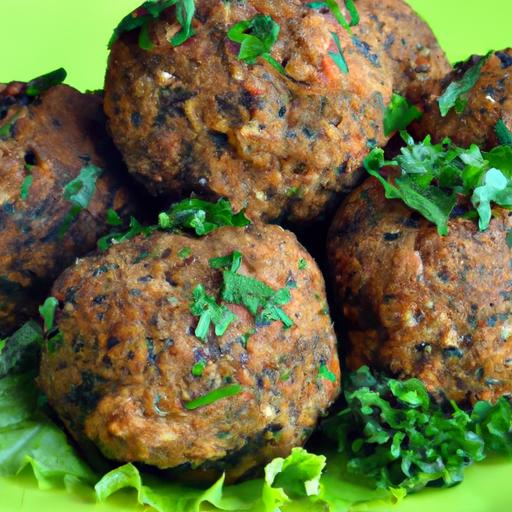


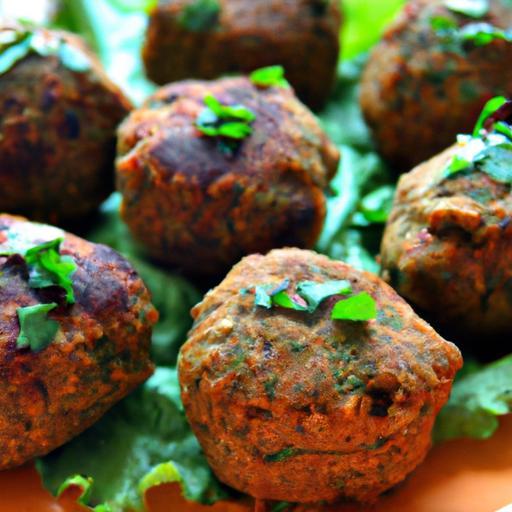
In a world where culinary curiosity meets conscious living, plant-based cuisine is experiencing a flavorful renaissance. Enter the power-packed plant protein revolution-where humble ingredients transform into hearty, satisfying dishes that don’t compromise on taste or nutrition. Among these vibrant creations, vegan meatballs stand out as the ultimate game-changer, marrying rich texture with robust flavors in a way that delights both devoted vegans and curious omnivores alike. This article dives into the art and science behind crafting the perfect plant-based meatballs, proving that indulgence and healthy eating can harmoniously coexist on your plate.
Power-Packed Plant Protein meals are transforming how we approach comfort food, especially when it comes to recreating classics like meatballs. The magic lies not only in the appetizing flavor profiles but also in harnessing the rich nutritional benefits plant-based proteins offer. With the right combination of ingredients, you can craft vegan meatballs that boast an irresistible texture and depth of taste, proving that plant-based cooking is anything but plain.
Prep and Cook Time
Readiness: 20 minutes | Cooking: 25 minutes | total Time: 45 minutes
Yield
Serves 4 (about 16 meatballs)
Difficulty Level
Medium – approachable for home cooks eager to explore plant proteins with rewarding results
Ingredients
- 1 cup cooked green lentils (well-drained and slightly mashed)
- 1 cup cooked quinoa, cooled
- 1/2 cup finely chopped onion
- 3 cloves garlic, minced
- 1/2 cup finely chopped mushrooms (for umami depth)
- 1/2 cup rolled oats, ground into oat flour
- 1/4 cup nutritional yeast (adds savory, cheesy notes)
- 2 tbsp ground flaxseeds mixed with 6 tbsp water (flax egg)
- 2 tbsp tomato paste (for a touch of sweetness and acidity)
- 2 tsp smoked paprika
- 1 tsp dried oregano
- 1 tsp ground cumin
- Salt and black pepper, to taste
- 2 tbsp olive oil, for sautéing and baking
- Fresh parsley (optional, for garnish)
Instructions
- Prepare the flax egg: In a small bowl, combine ground flaxseeds with water. Stir and set aside for 10 minutes until gelatinous,acting as a perfect binder for your vegan meatballs.
- Sauté the aromatics: Heat 1 tablespoon olive oil in a skillet over medium heat. Add chopped onion and garlic, sautéing until soft and translucent, about 5 minutes. Toss in mushrooms and cook until they release their moisture and start browning, approximately 7 minutes. Remove from heat and allow to cool slightly.
- Combine the base ingredients: In a large mixing bowl, mash lentils gently with a fork, leaving some texture for bite. Add cooked quinoa, sautéed vegetables, ground oat flour, nutritional yeast, tomato paste, smoked paprika, oregano, and cumin.Mix well to distribute spices evenly.
- Add the flax egg binder: Pour in the prepared flax egg and season generously with salt and pepper. Use your hands or a sturdy spoon to combine everything until the mixture holds together but is not too sticky. If too wet, add a tablespoon more oat flour; if dry, a splash of water or vegetable broth.
- Shape the meatballs: Lightly grease your hands with olive oil and form the mixture into 1 1/2-inch balls, placing each on a lined baking tray.
- Cook with care: Preheat your oven to 375°F (190°C). Brush each meatball lightly with remaining olive oil for a golden finish. Bake for 20 minutes,turning halfway to ensure even browning. For an added crispy exterior,briefly pan-fry baked meatballs in a hot skillet (optional).
- Final touch: Remove from oven and let rest for 5 minutes before serving, allowing flavors to settle and texture to firm up.
Tips for Success: Elevate Your Plant Protein Creations
- Texture balancing: Combining lentils and quinoa provides a tender yet slightly grainy bite, mimicking customary meatballs. For an even firmer texture, pulse a portion of cooked lentils in a food processor before mixing.
- Mushroom magic: The sautéed mushrooms boost both moisture and umami flavor, essential in making your vegan meatballs deliciously savory.
- Make-ahead option: These meatballs freeze beautifully.freeze uncooked formed balls on a tray; then transfer into a sealed container. Bake directly from frozen with an additional 5 minutes of cooking time.
- Flavor variations: Experiment with herbs such as rosemary or thyme, or add a dash of chili flakes for heat. Incorporating a splash of soy sauce or tamari into the mixture can heighten savory depth.
- Binding alternatives: If flaxseeds aren’t available, chia seeds or mashed potatoes work wonderfully as egg replacements.
Serving Suggestions
Present these power-packed plant protein meatballs atop a bed of zesty marinara for a classic finish, then garnish with freshly chopped parsley and a sprinkle of toasted pine nuts for contrast. They also shine nestled in crusty whole grain rolls with vegan basil pesto and crisp arugula – an ideal hearty sandwich. For a unique twist, serve alongside roasted seasonal vegetables or a creamy cashew dip, turning this dish into a versatile crowd-pleaser.

| nutrient | Per Serving (4 meatballs) |
|---|---|
| Calories | 280 kcal |
| Protein | 14 g |
| Carbohydrates | 34 g |
| Fat | 7 g |
For a deeper dive into plant-based proteins and more creative vegan recipes, explore our article on Plant-Based Protein Basics. To understand the science behind the nutritional benefits of legumes, visit this thorough study by NCBI.
Q&A
Q&A: Power-Packed Plant Protein: The Ultimate Vegan Meatballs
Q1: What makes these vegan meatballs “power-packed”?
A1: These vegan meatballs are loaded with high-quality plant proteins,primarily from legumes like lentils,chickpeas,and black beans,combined with nutrient-dense seeds such as hemp and chia. This dynamic blend not only delivers a complete amino acid profile but also provides fiber, vitamins, and minerals for a wholesome, satisfying meal.
Q2: How do plant-based proteins in these meatballs compare to traditional meat protein?
A2: While traditional meat is often praised for its protein content, plant-based proteins can stand toe-to-toe when thoughtfully combined.Ingredients such as quinoa and legumes complement each other’s amino acids, creating a complete protein source. Plus, these vegan meatballs come with added benefits – fiber, antioxidants, and no cholesterol.Q3: Are these vegan meatballs suitable for people with gluten sensitivities?
A3: Definitely! By using gluten-free oats, chickpea flour, or almond meal as binders rather of traditional breadcrumbs, these meatballs can easily be tailored to meet gluten-free dietary needs without sacrificing texture or flavor.
Q4: What’s the secret to getting a meaty texture without animal products?
A4: Achieving that satisfying “meaty” bite comes from combining textured plant proteins like vital wheat gluten or textured vegetable protein with hearty ingredients such as mushrooms, eggplant, or walnuts. These provide fiber and a chewy density, while the addition of umami-rich ingredients like tamari, smoked paprika, or sundried tomatoes enhance the depth of flavor.
Q5: how can I customize these meatballs to suit different cuisines?
A5: The beauty of plant protein-based meatballs lies in their versatility! For an Italian twist, infuse herbs like basil, oregano, and garlic, and serve with a rich marinara sauce. Craving a Middle Eastern flair? Incorporate spices like cumin, coriander, and a sprinkle of sumac, then pair with tahini or a tangy tomato sauce. Experimenting with different spices, herbs, and sauces can transform these meatballs to complement any global palate.
Q6: Can these vegan meatballs be frozen and reheated without losing quality?
A6: Absolutely! These meatballs freeze beautifully and reheat well when baked or gently pan-fried, maintaining their texture and flavor. To prevent dryness, consider reheating with a splash of sauce or steam.
Q7: What are some quick cooking tips for adding these vegan meatballs to weeknight dinners?
A7: For speedy meals, prepare a large batch of meatballs in advance, freeze leftovers, and pull them out as needed. Serve over zucchini noodles, in pita pockets with fresh veggies and tahini, or simmer them in your favorite tomato sauce. They also make an excellent protein-packed addition to salads or grain bowls.
Q8: How do these power-packed plant protein meatballs support lasting eating?
A8: By emphasizing legumes, seeds, and vegetables over animal products, these meatballs contribute to lower carbon emissions, reduced water usage, and promote biodiversity-friendly farming. They prove that healthy,delicious food and environmental duty can go hand in hand.
Ready to roll up your sleeves and enjoy the ultimate vegan protein boost? These meatballs bring flavor, nutrition, and sustainability straight to your plate – no compromises necessary!
To Wrap It Up
In the ever-evolving landscape of plant-based cuisine, these power-packed vegan meatballs stand as a testament to how delicious and nutritious meat alternatives can be. Bursting with wholesome ingredients and vibrant flavors, they not only satisfy cravings but also fuel your body with plant protein at its finest. whether you’re a committed vegan, a curious foodie, or simply looking to add more sustainability to your plate, these meatballs prove that eating green never meant sacrificing taste or texture. Embrace the future of protein-one bite at a time.