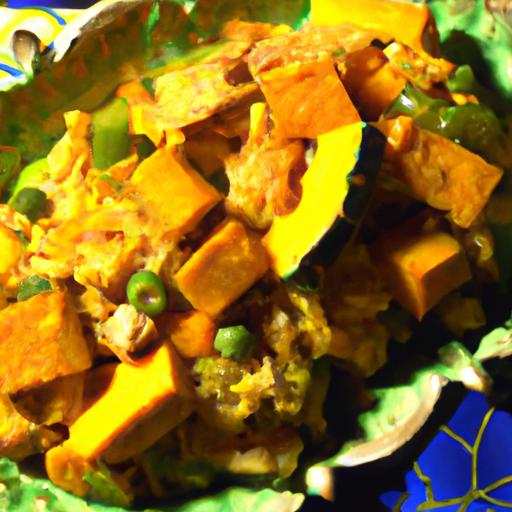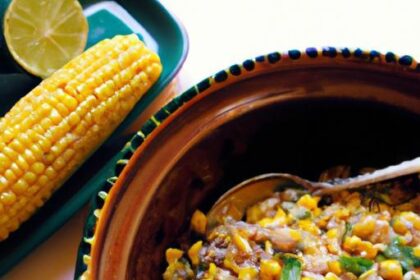

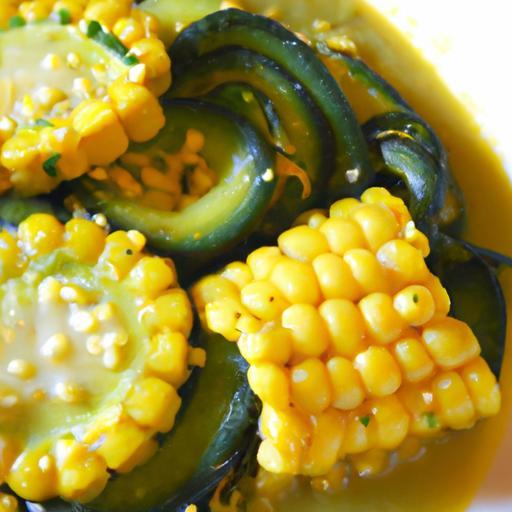
In a world where plant-based living is blossoming, fueling your body with sufficient protein can sometimes feel like a puzzle waiting to be solved.Enter “Power-Packed Plates: Your Weekly High-Protein Vegan Menu” – a thoughtfully crafted guide designed to transform your meals into vibrant, nutrient-rich celebrations of plant power. Whether you’re a seasoned vegan or simply looking to boost your protein intake without compromising on flavor, this menu unlocks the tasty potential of legumes, grains, nuts, and seeds, offering a week’s worth of satisfying dishes that energize your body and delight your taste buds. Get ready to embark on a culinary journey where every bite packs a punch, proving that vegan eating can be as protein-packed as it is indeed palate-pleasing.
Fueling Your Body with Plant-Based Proteins: crafting Balanced Meals for Optimal Muscle Growth
Power-Packed Plates offer a vibrant gateway to nourishing your muscles with plant-based proteins, blending nutrition with irresistible flavor. Whether you’re a seasoned vegan athlete or exploring new ways to amplify your muscle gains, this approach dives deep into the highest quality vegan ingredients that keep your meals balanced and your taste buds delighted.
Top High-Protein Vegan Ingredients to Keep on Hand
Stocking your kitchen with these protein-rich staples ensures that every meal in your Power-Packed Plates menu hits the mark. These ingredients not only deliver essential amino acids but also bring a rich variety of textures and flavors to your cooking arsenal.
- Organic Tempeh: Fermented soybeans packed with probiotics and 21 grams of protein per 100 grams.
- Dry Lentils (brown or green): Affordable and versatile, with 18 grams of protein per cooked cup.
- Chickpeas: Creamy in texture and bursting with 15 grams of protein per cooked cup.
- Quinoa: A complete protein grain, boasting 8 grams per cooked cup.
- Hemp seeds: Tiny but mighty-10 grams of protein per 3 tablespoons, plus healthy fats.
- Edamame: Young soybeans, perfect for snacks or salads, delivering 17 grams of protein per cooked cup.
- seitan: Wheat gluten powerhouse, offering a hefty 25 grams per 100 grams.
- Black Beans: Nutty flavor and 15 grams of protein per cooked cup.
Delicious Recipes that Turn Protein Power into Flavor
Let’s bring these power foods into an inspired recipe that embodies the essence of Power-Packed Plates: a Spiced Tempeh and Quinoa Power Bowl. It’s a balanced explosion of texture and nutrition,perfect for muscle building without compromising on excitement or taste.
Prep and Cook Time
- Planning: 15 minutes
- Cooking: 25 minutes
- Total time: 40 minutes
Yield
Serves 4 generous portions
Difficulty Level
Medium – approachable for all home cooks with basic skill
Ingredients
- 1 cup quinoa, rinsed
- 200g organic tempeh, sliced into 1/2-inch pieces
- 1 can (15 oz) chickpeas, drained and rinsed
- 2 cups fresh spinach, chopped
- 1 medium red bell pepper, diced
- 1 tablespoon coconut oil or avocado oil
- 2 tablespoons tamari or soy sauce
- 1 teaspoon smoked paprika
- 1 teaspoon ground cumin
- 1/2 teaspoon ground turmeric
- 1/4 teaspoon cayenne pepper (optional)
- 2 cloves garlic, minced
- Salt and pepper, to taste
- 1/4 cup hemp seeds
- 1 lime, cut into wedges for garnish
- Fresh cilantro or parsley for garnish
Instructions
- Cook the quinoa: In a medium pot, combine rinsed quinoa with 2 cups of water and a pinch of salt. Bring to a boil, then reduce heat to low, cover, and simmer 15 minutes or until water is absorbed and quinoa is fluffy. Remove from heat and fluff with a fork.
- Prepare the tempeh: While quinoa cooks, heat coconut oil in a large skillet over medium heat.Add sliced tempeh and sauté for 3 minutes per side until golden brown and crispy around edges.
- Add spices and garlic: Stir in garlic, smoked paprika, cumin, turmeric, cayenne (if using), salt, and pepper. Cook for another 2 minutes, allowing the tempeh to soak in the aromatic spices.
- Toss in chickpeas and bell pepper: Add chickpeas and diced bell pepper to the skillet. Stir well to coat with spices and cook 5 minutes until bell pepper softens but remains vibrant and chickpeas heat through.
- Add greens and tamari: Stir in chopped spinach and tamari. Cook until spinach wilts, around 2 minutes. Taste and adjust seasoning if needed.
- Assemble the power bowls: Divide cooked quinoa among bowls. Top with the spiced tempeh mixture, then sprinkle generously with hemp seeds and fresh herbs.
- Serve with lime wedges: Squeeze fresh lime juice over the bowl just before eating for a bright, zesty finish.
chef’s Notes
- Variation: Swap quinoa for brown rice or millet for a different grain profile without losing protein punch.
- Make-ahead tip: Prepare the tempeh mixture and quinoa in advance, then reheat gently before serving to save time on busy days.
- Texture tweak: for extra crunch, toast hemp seeds lightly before sprinkling.
- Kid-friendly adjustment: Omit cayenne pepper and reduce spices for a milder flavor profile.
Serving Suggestions
This power bowl shines when served fresh and vibrant, paired with a crisp cucumber salad or roasted seasonal vegetables. For added texture, crunchy roasted chickpeas or a sprinkle of toasted pumpkin seeds boost the protein and add a savory twist. Garnish with a handful of microgreens or edible flowers to elevate the visual appeal - making it truly a power-packed feast for both body and eyes.

| Nutrient | Per Serving |
|---|---|
| Calories | 420 kcal |
| Protein | 28 g |
| Carbohydrates | 42 g |
| Fat | 12 g |
By consistently incorporating foods like tempeh, quinoa, and hemp seeds into your regular cooking repertoire, you’re nourishing your muscles with clean, plant-based energy. For more inspiration on creating balanced, protein-packed vegan meals, explore our Vegan High-Protein Meal Plans that align perfectly with your muscle growth goals. Also,dive deeper into plant-based nutrition fundamentals with this Harvard Nutrition Source guide on protein, a trusted resource for optimizing your diet.
Q&A
Q&A: Power-Packed Plates – Your Weekly High-Protein Vegan Menu
Q1: Why focus on a high-protein vegan menu? Aren’t plant-based meals low in protein?
A: That’s a myth! Legumes, tofu, tempeh, seitan, nuts, seeds, and whole grains are rich in protein. A high-protein vegan menu supports muscle repair, steady energy, and overall health—while staying planet-friendly.
Q2: How can I get enough protein throughout the day on a vegan diet?
A: Focus on variety. Pair foods like beans and rice or hummus and whole-grain bread to cover essential amino acids. Spread protein across meals and include snacks like roasted chickpeas or nut butter smoothies to meet your needs easily.
Q3: Can you give an example of a day’s high-protein vegan meals?
A3: Absolutely! Imagine starting with a tofu scramble loaded with spinach and mushrooms, boosting your breakfast with 20+ grams of protein. Lunch could be a quinoa chickpea salad drizzled with tahini dressing, offering fiber and protein harmony. For dinner,a hearty lentil shepherd’s pie or a tempeh stir-fry with colorful veggies hits the spot. Sprinkle in snacks like edamame pods or a chia pudding topped with nuts to keep your protein levels steady.
Q4: What are some of the most versatile vegan protein sources?
A4: Tempeh is a texture chameleon-marinate it, grill it, or crumble it into sauces. Lentils come in a range of colors and cook relatively quickly, perfect for soups and salads. nutritional yeast not only adds a cheesy zing but also delivers an extra protein boost. And don’t forget seeds like hemp or pumpkin-they’re tiny nutrition powerhouses great in salads or baked goods.
Q5: how can I keep meals exciting without relying on the same protein staples every day?
A5: Embrace creativity: swap quinoa for buckwheat, try black-eyed peas instead of black beans, or experiment with lesser-known grains like amaranth.Play with bold spices, fresh herbs, and vibrant sauces to transform simple protein sources into flavor-packed adventures.Think smoky chipotle lentil chili or Moroccan-spiced chickpea stew-your taste buds will thank you!
Q6: are there any tips for maximizing protein absorption from plant foods?
A6: Pairing proteins with vitamin C-rich ingredients can boost iron absorption, an vital mineral often paired with plant-based proteins. For example, squeeze fresh lemon over a quinoa salad or enjoy bell peppers alongside your lentils. Also, soaking and sprouting beans and seeds can enhance digestibility and unlock more nutrients.
Q7: How does a high-protein vegan diet support fitness and muscle recovery?
A7: protein is the building block of muscle tissue,so after a workout,a protein-rich vegan meal or snack helps repair fibers and kick-start recovery. Combining plant proteins with some healthy fats and carbs keeps energy levels balanced. Tempeh stir-fry or a smoothie packed with pea protein and almond butter can be ideal post-exercise refuels.
Q8: Is meal prepping importent for sticking to a weekly high-protein vegan menu?
A8: Yes! Prepping ahead transforms a busy week into a stress-free culinary journey.cook big batches of grains and legumes, chop veggies in advance, and assemble grab-and-go protein-rich snacks. With a fridge stocked with ready-to-use ingredients, it’s easier than ever to whip up power-packed plates that fuel your goals.
Q9: Can high-protein vegan recipes be kid-friendly?
A9: Definitely! Many kids enjoy familiar flavors like sweet potato black bean burgers, creamy peanut butter smoothies, or crunchy roasted chickpeas. Sneak in vibrant veggies and proteins with fun shapes and textures.The key is to keep meals colorful,tasty,and approachable-nurturing strong bodies with delicious plant-powered bites.
Q10: Where can I find inspiration for new high-protein vegan recipes throughout the week?
A10: Dive into vegan cookbooks, food blogs, and social media communities dedicated to plant-based nutrition. Explore cuisines from around the world where legumes and grains reign supreme-think Indian dal, middle Eastern mujaddara, or Ethiopian lentil stews. Experimentation opens doors to endless nourishing, protein-packed possibilities!
Insights and Conclusions
As you embark on the flavorful journey of these power-packed plates, remember that high-protein vegan meals are not just about meeting nutritional goals-they’re about celebrating the vibrant diversity and richness that plant-based ingredients bring to your table. Whether you’re a seasoned vegan or simply exploring new ways to fuel your body, this weekly menu offers a balanced boost of energy, muscle-building power, and culinary delight. So grab your apron, embrace the colorful bounty of nature, and let each protein-packed dish inspire your healthiest, most energized self yet.Here’s to nourishing your body-and your taste buds-with every delicious bite!