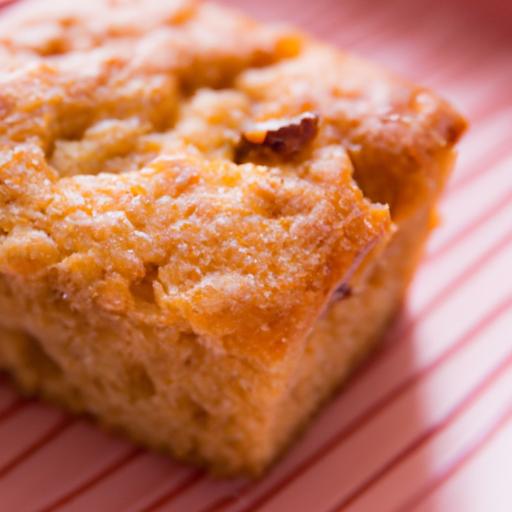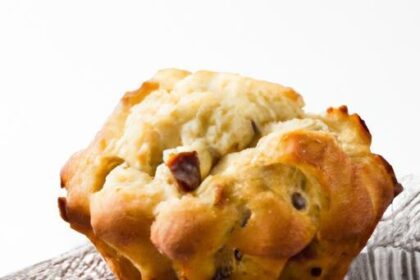



In the ever-evolving world of keto baking,finding the perfect balance between taste,texture,and nutrition can feel like a culinary quest. Enter psyllium husk-a humble yet mighty ingredient that’s transforming low-carb recipes one crumb at a time. Packed with soluble fiber, psyllium husk not only elevates the texture of keto treats, making them delightfully moist and chewy, but it also gives your digestive health a gentle boost. Whether you’re crafting fluffy bread, tender muffins, or crave-worthy pizza crusts, integrating psyllium husk into your keto baking arsenal is a simple way to enhance both flavor and fiber content, all while staying true to your low-carb lifestyle.Let’s delve into how this natural marvel can revolutionize your keto kitchen.
Psyllium husk keto baking transforms ordinary low-carb breads into irresistibly moist, tender loaves with a familiar chew and crumb structure. Unlike other binders,psyllium husk creates a soft,elastic texture that mimics customary gluten,making it an essential secret weapon for keto bakers craving authentic bread experiences. Whether you’re new to keto or an experienced low-carb enthusiast,understanding how psyllium husk works offers a gateway to delicious,fiber-rich creations that don’t compromise flavor or mouthfeel.
Prep and Cook Time
- Preparation: 15 minutes
- Cooking: 40 minutes
- Total: 55 minutes
Yield
1 medium-sized loaf (8 slices)
Difficulty Level
Easy to Medium – Perfect for bakers experimenting with keto-friendly ingredients.
Ingredients
- 1 ½ cups almond flour, finely ground
- 2 tbsp golden flaxseed meal
- 2 tbsp psyllium husk powder
- 1 tsp baking powder, aluminum-free
- 1 tsp apple cider vinegar
- 4 large eggs, room temperature
- ½ cup boiling water
- ½ tsp Himalayan pink salt
- 2 tbsp melted coconut oil or avocado oil
Instructions
- Preheat your oven to 350°F (175°C). Line a loaf pan with parchment paper or lightly grease with oil to prevent sticking.
- In a large bowl, combine almond flour, golden flaxseed meal, psyllium husk powder, baking powder, and Himalayan pink salt. Mix well to evenly distribute dry ingredients.
- In a separate bowl, whisk eggs, apple cider vinegar, and melted coconut oil until fully emulsified. The vinegar helps activate the baking powder for better rise.
- Slowly pour boiling water into the dry ingredients, followed immediately by the egg mixture. Stir vigorously with a spatula or wooden spoon until a thick dough forms. The psyllium husk will absorb moisture quickly, creating a slightly sticky, dense batter.
- Transfer the dough to your prepared loaf pan. Use wet hands or a spatula to smooth the top evenly-this step ensures a neat crust.
- Bake for about 40 minutes, or until the loaf is firm and a toothpick inserted into the center comes out clean. If the top browns too fast, tent with foil after 30 minutes.
- cool completely on a wire rack before slicing. Psyllium husk continues to solidify as the bread cools, improving structure and texture.
Tips for Success
- Pulse psyllium husk: if you only have whole husks, grind them in a coffee grinder to a powder for better absorption and texture.
- Boiling water is key: Adding hot water activates the husk’s gelling property instantly, which is crucial for a flexible crumb.
- Don’t skip resting: Letting your dough sit for 3-5 minutes after mixing helps the husk hydrate fully, preventing dry bread.
- Make it your own: Feel free to add herbs, seeds, or even a pinch of cinnamon for flavor variations-psyllium husk’s neutral taste complements many profiles.
- Store wisely: Freeze leftover bread slices individually wrapped for an easy grab-and-go snack; thaw at room temperature or toast directly.
- common issue: If bread feels gummy or dense, reduce the water slightly next time or check the freshness of your psyllium husk.
Serving Suggestions
This psyllium husk-enriched keto bread is your ideal base for both sweet and savory toppings. Try lightly toasting slices and spreading with creamy avocado and a sprinkle of chili flakes for a speedy snack, or layer thick slices with smoked turkey, baby spinach, and mustard for a satisfying lunch. Garnishing with fresh herbs like rosemary or thyme adds visual appeal and a fragrant touch. For breakfast, slather with almond butter and a few fresh berries for fiber-rich indulgence.

Nutrition Details
| Serving Size | Calories | Protein | Net Carbs | Fat | Fiber |
|---|---|---|---|---|---|
| 1 slice (1/8 loaf) | 150 | 6g | 2g | 12g | 5g |
for those curious about the science behind psyllium husk’s wondrous ability to mimic gluten’s elasticity, visit this detailed study on soluble fibers for a deep dive into its unique properties.
Explore more ways to master low-carb baking in our Keto Baking Basics Guide, a complete resource designed to elevate your baking skills and broaden your ingredient knowledge.
Q&A
Q&A: Psyllium Husk Keto Baking – Boost Texture and Fiber Easily
Q1: What is psyllium husk, and why is it popular in keto baking?
A: Psyllium husk is a natural fiber derived from the seeds of the Plantago ovata plant. It’s prized in keto baking as it absorbs water exceptionally well, creating a gel-like texture that mimics the elasticity of gluten. This helps bind keto-friendly flours together, improving the structure, moisture retention, and chewiness of low-carb breads and other baked goods without adding carbs.
Q2: How does psyllium husk improve the texture of keto baked goods?
A: Since keto baking often lacks the gluten that traditionally gives bread its rise and chew, psyllium husk plays a vital role. It creates a fibrous network that traps moisture and air, resulting in a bread that’s soft on the inside with a nice, slightly crusty exterior. Its unique water-absorbing properties also prevent crumbliness, making keto bread less dry and more enjoyable.
Q3: Can I use psyllium husk powder instead of whole husks in baking?
A: Yes! Psyllium husk powder offers a finer texture and integrates more smoothly into recipes. It absorbs water faster and creates a more pronounced gel, which can enhance the quality of your dough. However, whole psyllium husks can also be used-but they may lend a slightly coarser texture and require a bit more hydration.
Q4: How much psyllium husk should I add to my keto recipes?
A: Generally, 1 to 2 teaspoons of psyllium husk powder per cup of low-carb flour works well to improve texture and binding. using too much can lead to an overly dense or gummy outcome, so it’s best to start with small amounts and adjust based on your recipe’s moisture and desired crumb.
Q5: Can psyllium husk replace eggs in keto baking?
A: Psyllium husk can act as a binder, somewhat similar to eggs, which makes it a fantastic addition for those seeking egg-free or vegan-friendly keto options. While it won’t replace eggs’ leavening properties entirely, it helps hold ingredients together and adds structure.
Q6: Are there any tips for using psyllium husk in keto baking?
A: Absolutely! Always hydrate psyllium husk with plenty of liquid to unleash its gelling magic-this frequently enough means mixing it with water or milk alternative before adding to dry ingredients. Also,avoid excessive mixing once combined,as this can break down the gel and affect texture. Lastly, bake keto goods a little longer than usual to ensure a nice crust without drying out the inside.
Q7: Beyond texture, what nutritional benefits does psyllium husk offer in keto baking?
A: Psyllium husk is a superb source of soluble fiber, which supports digestive health and helps maintain steady blood sugar levels-critical for keto lifestyles. Adding it boosts the fiber content in your baked goods without adding digestible carbs, helping you meet daily fiber goals while enjoying indulgent treats.
Q8: Can I use psyllium husk in all keto baked products?
A: psyllium husk is versatile and works wonderfully in breads,rolls,crackers,and even some cakes or muffins. However, it’s best suited for recipes where structure and moisture retention matter most. For delicate cookies or light pastries, use it sparingly, as too much can make textures dense or gummy.
Q9: Where can I find psyllium husk for baking?
A: You can find psyllium husk in most health food stores, specialty grocery shops, or online. Look for organic, finely ground psyllium husk powder labeled specifically for baking to get the best results.
Q10: Any final thoughts on incorporating psyllium husk into keto baking?
A: Psyllium husk is a keto baker’s secret weapon-transforming low-carb flours into satisfying breads with a rich, chewy bite and helping to boost fiber effortlessly. With a little experimentation, it can elevate your keto baking from bland to brilliant, making your low-carb treats nourishing and delicious all at once.
In Conclusion
Incorporating psyllium husk into your keto baking arsenal isn’t just a clever trick-it’s a game-changer. By weaving this humble fiber into your recipes, you’re unlocking a world where texture meets nutrition, and every bite becomes a satisfying experience without the guilt. whether you’re crafting fluffy bread, moist muffins, or velvety desserts, psyllium husk effortlessly elevates the crumb while supercharging your fiber intake. so next time you step into the kitchen,let psyllium husk be your secret ingredient for keto creations that don’t just taste good-they feel good,too.happy baking!