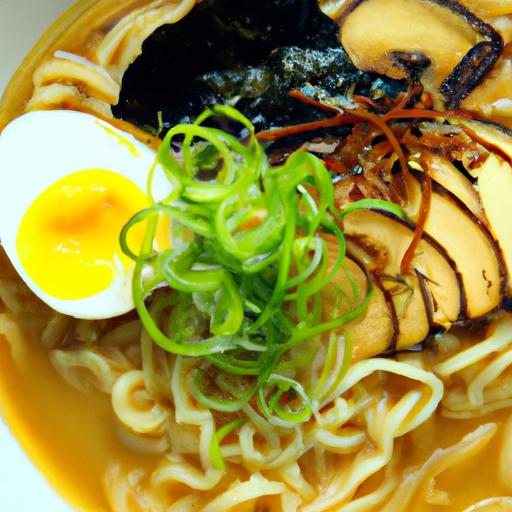



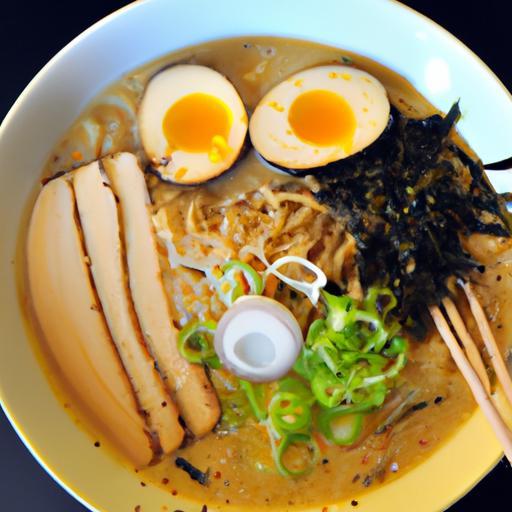
Step into a bowl of warmth and tradition where every sip whispers stories from the heart of Japan. Creamy miso ramen is more than just a dish – it’s a harmonious blend of rich, umami-packed broth and tender noodles, crowned with vibrant toppings that awaken the senses. this flavorful journey uncovers the secrets behind crafting the perfect creamy miso ramen,exploring its origins,unique ingredients,and the artful techniques that transform simple components into a comforting masterpiece. Prepare to savor each bite and discover why this beloved comfort food continues to captivate taste buds around the world.
The Art of Crafting the Perfect Creamy Miso Broth
Savor the Secrets of Creamy Miso Ramen begins with creating a broth so rich and velvety it captures the heart of anyone lucky enough to taste it. Rooted in Japanese tradition yet infused with modern culinary finesse, this miso broth boasts a harmonious balance of umami depth and subtle sweetness. My first encounter with this luscious bowl was on a chilly evening in Sapporo, where the miso ramen’s creamy embrace instantly became a comforting ritual. This recipe reveals the essential ingredients and techniques that bring the broth to life, ensuring your homemade ramen is nothing short of spectacular.
Prep and Cook time
- Prep Time: 20 minutes
- cook Time: 1 hour 10 minutes
- Total Time: 1 hour 30 minutes
Yield
Serves 4 generous bowls of creamy miso ramen
difficulty Level
Medium – Perfect for home cooks eager to elevate their ramen game
Ingredients
- 6 cups low-sodium chicken broth (or vegetable broth for vegetarian option)
- 1 cup dried shiitake mushrooms
- 3 tablespoons white miso paste
- 2 tablespoons red miso paste
- 1 tablespoon sesame oil
- 1 teaspoon freshly grated ginger
- 4 cloves garlic,finely minced
- 1 tablespoon soy sauce (tamari for gluten-free)
- 1 tablespoon mirin
- 1 cup whole milk or unsweetened soy milk (for extra creaminess)
- 12 oz fresh ramen noodles
- 2 large eggs
- 1 cup baby spinach leaves
- 1/2 cup corn kernels,fresh or frozen
- 4 scallions,thinly sliced
- 1 sheet nori,cut into strips
- 1 tablespoon toasted sesame seeds
Instructions
- Rehydrate the shiitake mushrooms: Soak dried mushrooms in hot water for 30 minutes until soft. Drain, reserving 1 cup of the soaking water, and slice the mushrooms thinly.
- Create the broth base: In a large pot, heat the sesame oil over medium heat. Add the garlic and ginger, sautéing until fragrant (about 2 minutes). Pour in the chicken broth, reserved mushroom water, and bring to a gentle simmer.
- Infuse umami flavors: Stir in both miso pastes, soy sauce, and mirin. Whisk continuously to dissolve the miso completely, creating a smooth, creamy texture. Simmer uncovered on low for 30 minutes.
- Cook the ramen noodles: Bring a large pot of water to a boil. Add fresh ramen noodles and cook for 2-3 minutes or until tender but elastic. drain immediately and toss lightly with a few drops of sesame oil to prevent sticking.
- Prepare soft-boiled eggs: Bring water to a boil in a small saucepan. Carefully add eggs and cook for exactly 6 minutes. Transfer to an ice bath, peel, and slice in half.
- Add fresh veggies and mushrooms: stir sliced shiitake mushrooms, baby spinach, and corn into the simmering broth. let cook for another 5 minutes.
- Incorporate creaminess: Lower heat and stir in the whole milk or soy milk to enrich the broth further. Heat gently to avoid curdling.
- Assemble the bowls: Divide noodles between 4 bowls. Ladle the creamy miso broth over noodles, making sure each bowl has a generous helping of mushrooms and veggies.
- garnish beautifully: Top each bowl with halved soft-boiled eggs, scallions, toasted sesame seeds, and nori strips.
- Serve immediately: Encourage guests to mix the toppings and savor spoonfuls of the silky broth with chewy noodles.
Tips for Success
- Broth Variations: For a deeper flavor, gently roast the garlic and ginger before adding broth.
- Miso Adjustment: Balance white and red miso based on your preferred saltiness and depth; white miso is milder, red is richer.
- make Ahead: Prepare the broth a day in advance-the flavors intensify overnight!
- vegetarian Option: Use vegetable broth and replace chicken broth accordingly; keep miso and shiitake for umami richness.
- Noodles: Fresh ramen noodles are ideal, but high-quality dried can be used-just watch cooking times carefully.
- Eggs: For vegan diners, substitute with marinated tofu cubes for protein and texture contrast.
Serving suggestions
Serve your creamy miso ramen in wide, deep bowls to showcase the vibrant colors of the toppings against the golden broth. Offer Japanese chili oil or rayu on the side for a spicy kick.Accompany with a small plate of pickled vegetables or steamed edamame for textural variety. For an authentic touch, add bamboo shoots or thinly sliced scallions directly into the bowl just before serving. A wooden spoon and chopsticks complete the sensory experience,inviting diners to savor each slurp.
| Nutrient | Per Serving |
|---|---|
| Calories | 480 kcal |
| Protein | 26 g |
| Carbohydrates | 55 g |
| Fat | 14 g |

For deeper insights on ramen broth crafting, visit Serious Eats’ expert guide. Also,explore our related article on making homemade ramen noodles to perfect your soup base from scratch.
Q&A
Q&A: Savor the Secrets of creamy Miso Ramen: A Flavorful Journey
Q1: What makes miso ramen distinct from other types of ramen?
A1: Miso ramen stands out thanks to its rich, umami-packed broth created with fermented soybean paste-miso.This gives the soup a deep, savory complexity with a subtle sweetness and tang that sets it apart from the lighter shoyu or the heavier tonkotsu varieties. The creamy texture frequently enough comes from blending miso with ingredients like butter, sesame paste, or even ground nuts, which add a luxurious mouthfeel and harmonious layers of flavor.
Q2: How can one achieve a creamy broth without relying on animal fats or pork-based stocks?
A2: Creaminess in miso ramen can be achieved using several clever plant-based techniques. Simmering a combination of hearty vegetables like shiitake mushrooms, onions, and daikon radish builds a flavorful base. Adding pureed tofu, white miso, or sesame paste helps thicken the broth naturally. Richness can also be enhanced by a touch of plant-based oils such as toasted sesame oil or coconut milk,which meld beautifully with miso’s earthiness.
Q3: What kinds of miso are best suited for creating a creamy miso ramen broth?
A3: There are varieties of miso-white (shiro), yellow (shinshu), red (aka), and blended. For a creamy, mellow broth, white miso is often preferred because it’s lighter and sweeter, providing a subtle backdrop that welcomes creamy ingredients. Red miso adds a stronger, deeper flavor, ideal for those who like a robust, hearty taste but might need balancing to maintain creaminess. Some chefs blend miso types to get a perfect balance of nuance and richness.
Q4: Which toppings enhance the creamy miso ramen experience without overpowering the broth?
A4: To complement the broth’s creamy umami, consider toppings with contrasting textures and flavours: crisp bean sprouts, sweet corn kernels, and tender bok choy offer freshness. Marinated soft-boiled eggs add a silky richness, while nori sheets or a sprinkle of toasted sesame seeds contribute an aromatic crunch. Thinly sliced green onions and a hint of chili oil or paste can provide a lively spark without overwhelming the palate.
Q5: Can miso ramen be made suitable for vegetarians or vegans without losing flavor?
A5: Absolutely! By using vegetable-based broths, dried mushrooms, kombu seaweed, and of course-and importantly-flavorful miso paste, a deeply satisfying broth can be achieved. Creaminess comes from plant-based sources like pureed nuts, tofu, or coconut milk.Toppings such as sautéed mushrooms, greens, tofu cubes, and scallions ensure that each bowl is both hearty and nuanced, proving that miso ramen’s soul shines brightly without animal-derived elements.
Q6: What is the ideal noodle type for creamy miso ramen?
A6: Medium-thick, slightly curly noodles are the classic choice, as their texture holds up well to the broth’s richness and captures the creamy soup in every bite. These noodles offer a delightful chew and provide balance by ensuring the broth shines without overwhelming the palate. freshly made or frozen noodles often deliver the best texture compared to dried versions.
Q7: How can one customize creamy miso ramen to explore new flavor dimensions?
A7: Experimentation is the key to personalizing a creamy miso ramen bowl! Adding a hint of roasted garlic or ginger can invigorate the broth’s aroma. Swirling in a spoonful of nut butter like almond or cashew introduces a subtle nuttiness. For a touch of heat, try chili oil infused with aromatic spices. Seasonal vegetables or even a sprinkle of toasted seaweed flakes can transport your bowl into new regional or international flavor profiles-each addition a new chapter in your flavorful journey.
Whether you are a ramen novice or a seasoned noodle lover, unlocking the secrets of creamy miso ramen invites a delicious exploration of textures, aromas, and heartfelt simplicity-all without relying on customary animal-based ingredients. Enjoy the journey,one spoonful at a time!
Final Thoughts
As you close the chapter on this flavorful journey through creamy miso ramen,remember that each bowl is more than just a meal-it’s a delicate balance of tradition,technique,and taste. The velvety broth, infused with the umami richness of fermented miso, invites both curiosity and comfort in every spoonful. whether you’re a seasoned ramen enthusiast or a curious culinary explorer, embracing the secrets behind this beloved dish unlocks a world where simple ingredients transform into a symphony of flavor. so next time you crave something warm and soul-satisfying, let creamy miso ramen guide your palate on an unforgettable adventure, one slurp at a time.