

There’s a certain magic in teh way peanut butter cookies melt on yoru tongue-a perfect balance of sweet, salty, and buttery richness that feels like a warm hug in every bite.But behind that irresistible flavor and tender texture lies a interesting world of science. From the role of creamy versus crunchy peanuts to the alchemy of chemical reactions that create a soft center and crisp edges, the journey to the perfect peanut butter cookie is as much about chemistry as it is about culinary art. In this article, we’ll unravel the delicious science behind these beloved treats, revealing how simple ingredients transform through science into the ultimate comfort cookie.
The Delicious Science Behind Perfect Peanut Butter Cookies
When it comes to creating the ideal peanut butter cookie, understanding the subtleties that dictate texture and flavor is just as vital as the ingredients themselves. The delicious science behind perfect peanut butter cookies reveals a fascinating interplay between the type of peanut butter, the chemistry of sugar, mixing methods, and baking temperatures that elevates a simple treat into a masterpiece of crispiness and chew. Dive into these secrets with me and watch your kitchen transform into a delicious chemistry lab filled with golden,fragrant delights.
prep and Cook Time
- Preparation: 15 minutes
- Chilling the Dough: 30 minutes (optional but recommended)
- Baking: 10-12 minutes per batch
- Total Time: Approximately 1 hour
Yield
About 24 classic peanut butter cookies, perfect for sharing or savouring over a few days.
difficulty Level
Easy to Medium – approachable for novice bakers but with techniques that delight seasoned dessert lovers.
Ingredients
- 1 cup creamy peanut butter (natural or processed depending on desired texture)
- 1 cup granulated sugar
- 1 large egg, at room temperature
- 1 teaspoon baking soda
- 1/2 teaspoon pure vanilla extract
- A pinch of salt (optional, balances sweetness)
Instructions
- preheat your oven to 350°F (175°C). Line two baking sheets with parchment paper or silicone mats for optimal heat distribution.
- In a large mixing bowl, combine the peanut butter and sugar. the choice hear impacts texture profoundly: natural peanut butter,with its separation and higher oil content,produces chewier cookies,while processed creamy peanut butter lends a smoother,denser bite.
- Add the egg, baking soda, vanilla extract, and salt. Beat until the mixture is well combined but avoid overmixing – this preserves the tender crumb and prevents toughness.
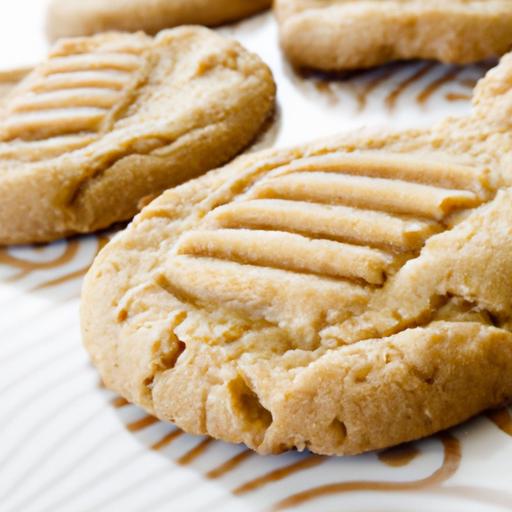
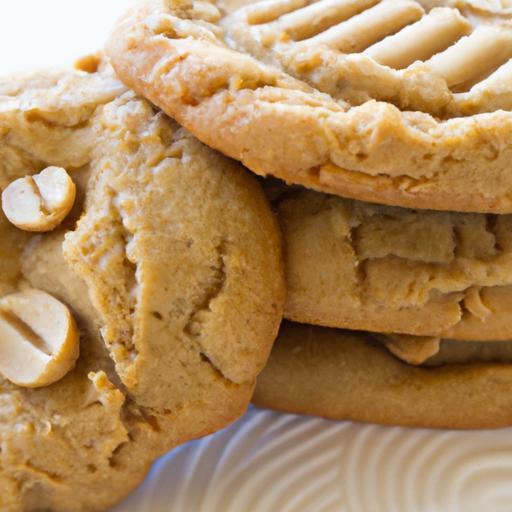
- Using a tablespoon or small cookie scoop,form dough balls and place them on the prepared sheets. Press gently with a fork to create the classic crisscross pattern; this also helps cook the cookies evenly and crisps up the edges.
- Bake for 10-12 minutes.Keep a close eye on the edges – once they turn a subtle golden hue, it’s time to pull them out. Baking at 350°F ensures the perfect balance: a golden exterior with tender yet resilient centers.
- Cool on the baking sheet for 5 minutes before transferring to wire racks. Allowing residual heat to finish the bake is key for reaching that ideal crisp-chewy balance.
Chef’s Notes: Tips for Success
- For a crisper cookie, experiment with swapping half the granulated sugar for brown sugar. The molasses content introduces moisture and deepens flavor without sacrificing crunch.
- Natural peanut butter contains more oil and less sugar; stirring thoroughly before using prevents greasy, spread-out cookies.
- Consider chilling the dough for 30 minutes – this solidifies the fats and reduces spread, giving you thicker, more uniform cookies.
- If your dough feels too sticky, lightly dust your hands with flour rather then adding it to the dough to maintain the perfect texture.
- For extra dimension in flavor, fold in 1/3 cup of chopped roasted peanuts or dark chocolate chips after mixing.
Serving suggestions
Present your peanut butter cookies on a rustic wooden platter or a simple white ceramic plate to highlight their warm golden hue. Garnish with a light dusting of powdered sugar or a mini scoop of vanilla bean ice cream for a classic contrast. A drizzle of melted dark chocolate or a sprinkle of flaky sea salt can elevate the flavor complexity for festive occasions. Pair these cookies with a cold glass of almond milk or strong coffee for a delightful afternoon treat.

The Science of Sugar and Baking Temperature for Cookie Crispiness
Choosing granulated sugar over powdered sugar plays a crucial role in achieving that enviable snap.Granulated sugar melts during baking, caramelizes, and forms a thin, crisp crust. The baking temperature of 350°F is the “sweet spot” where this caramelization happens evenly without overcooking, preserving the moistness within. Increasing temperature risks burnt edges, while lower temperatures can yield a soft, underbaked texture.
Mastering the chemistry of Mixing techniques
Minimal mixing after adding the egg is key. over-agitation develops gluten, turning your soft cookie dough into a tough chew. Fold ingredients gently; this also traps air for a light crumb while maintaining moisture. The elastic nature of peanut butter complements this effect, helping create tender yet structured cookies.
| Nutrition (per cookie) | Amount |
|---|---|
| Calories | 110 kcal |
| Protein | 4 g |
| carbohydrates | 12 g |
| Fat | 7 g |
Explore more about cookie science in our Cookie Textures Masterclass. For a deep dive into ingredient chemistry, the American Mathematical Society’s feature on peanut butter chemistry is an intriguing read.
Q&A
Q&A: the Delicious Science Behind perfect Peanut butter Cookies
Q: What makes these cookies deliciously crisp despite being gluten- and dairy-free?
A: A smart mix of nut flours with arrowroot or tapioca starch creates a light, crunchy texture. Coconut oil or dairy-free butter adds a crisp edge and rich flavor without gluten or dairy.
Q: Are these cookies suitable for multiple food sensitivities?
A: Yes! They’re easily adaptable—use flax or chia eggs to go egg-free, and swap nut flours for seed-based options if needed. Inclusive, flexible, and still delicious.
Q: Why do classic peanut butter cookies have the crisscross fork marks?
A: Those iconic fork impressions aren’t just decorative-they help flatten the dough ball evenly, promoting uniform baking. This flattening ensures the cookie cooks through evenly and creates the perfect balance of crispy edges with a soft center.
Q: How does sugar type influence peanut butter cookies?
A: Using white sugar yields a crisper, lighter cookie, while brown sugar adds moisture and a richer, caramel-like flavor due to its molasses content. Many bakers choose a mix of both to achieve that ideal chewy yet slightly crisp texture and deep flavor profile.Q: Can the type of peanut butter change the outcome?
A: Absolutely! Natural peanut butter with oil separation creates a moister, softer cookie, whereas processed creamy peanut butter often yields a denser, firmer cookie. Chunky peanut butter adds delightful bursts of peanut crunch that enhance texture and taste.
Q: What role does butter play alongside peanut butter in the dough?
A: Butter introduces water and milk solids that contribute to leavening and browning. When baked, butter melts and creates steam, helping the cookie spread and develop a tender crumb. It also enhances flavor complexity and mouthfeel,complementing the nutty richness of peanut butter.
Q: How critically important is chilling the dough before baking?
A: Chilling solidifies the fats in the dough, which controls the cookie’s spread during baking.This results in thicker cookies with a soft center and crispy edges. Additionally, resting the dough allows flavors to meld, intensifying the peanut and vanilla notes.
Q: Why do some recipes include baking soda versus baking powder?
A: Baking soda reacts with the acidic components in peanut butter, promoting rise and browning through a chemical reaction called the Maillard reaction. Baking powder, which contains both acid and base, can also be used but tends to produce a lighter, more cake-like cookie. The choice impacts texture and flavor subtly but noticeably.
Q: How can I prevent my peanut butter cookies from becoming too dry?
A: Moisture balance is key. use the right ratio of fats (butter and peanut butter), include a bit of brown sugar, avoid overbaking, and consider adding a tiny amount of an egg yolk for extra richness. These tweaks help maintain a tender, melt-in-your-mouth quality.
Q: what’s the secret to that perfect peanut butter aroma that fills the kitchen?
A: The magic happens as the sugars caramelize and the peanuts roast further during baking.The Maillard reaction creates complex flavor compounds that enhance the familiar, comforting scent of freshly baked peanut butter cookies-making your kitchen smell simply irresistible.
this Q&A explains the delicious chemistry behind peanut butter cookies, giving you insights to bake your most flavorful batch yet!
wrapping Up
As you savor that final crumb of a perfectly baked peanut butter cookie, remember: you’re not just indulging your sweet tooth-you’re enjoying a symphony of science at work. From the Maillard reaction that deepens flavor to the precise balance of fats and sugars that create that tender, chewy bite, every step in the baking process is a delicious experiment in chemistry and texture. So next time you mix your ingredients or shape your dough, think of it as a small culinary lab where patience and understanding turn humble pantry staples into a timeless treat. the perfect peanut butter cookie isn’t just about taste-it’s a celebration of science making sweetness sing.