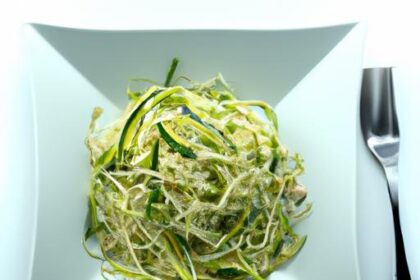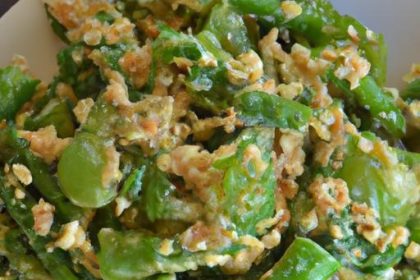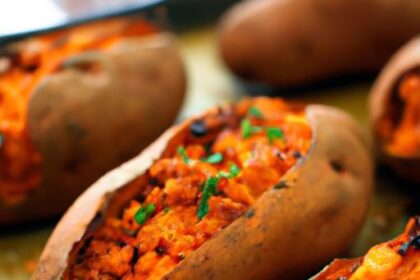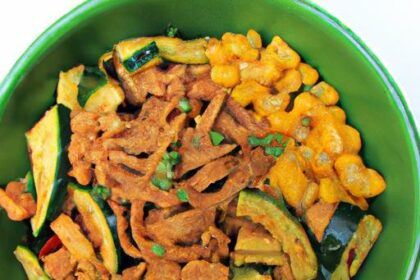

When it comes to low-carb living, teh ketogenic diet has swiftly become a global culinary phenomenon, celebrated for its promise of weight management adn sustained energy. Yet, for many, the challenge lies in keeping meals exciting and flavorful without compromising keto guidelines. Enter the vibrant world of South Asian cuisine-a rich tapestry of spices, textures, and aromas that can transform mundane meals into unforgettable feasts. in this article, we explore how to spice up your keto journey with South Asian meal plans that marry tradition and nutrition, proving that going low-carb doesn’t mean saying goodbye to bold, soulful flavors. Get ready to embark on a delicious adventure where turmeric, cumin, and garam masala meet the science of keto living.
Embracing Bold Flavors Within Keto Boundaries
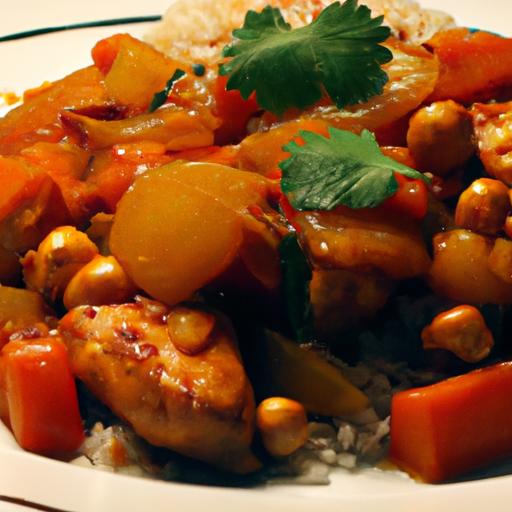
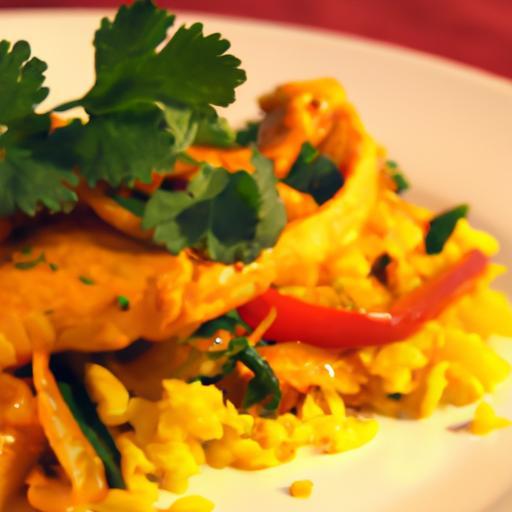
Spice up Keto: South Asian Meal Plans for Low-Carb Living bring an exhilarating explosion of traditional spices into your weekly menu while honoring the strict demands of ketogenic eating. This carefully crafted recipe channels the aromatic, soulful essence of South Asia with every bite-where fiery cumin, earthy turmeric, and vibrant coriander blend harmoniously with keto-friendly ingredients like cauliflower rice and tender chicken thighs. The result? A visually stunning and deeply satisfying dish that fuels sustained energy without compromising on flavor or carb limits.
Prep and Cook Time
- Preparation: 15 minutes
- Cooking: 30 minutes
- Total Time: 45 minutes
Yield
- serves 4 generously
Difficulty Level
- Medium – perfect for adventurous home cooks looking to deepen their spice repertoire
Ingredients
- 1.5 lbs boneless chicken thighs, trimmed and cut into bite-size pieces
- 2 cups cauliflower rice, pulsed finely in a food processor
- 1 medium onion, finely chopped
- 3 cloves garlic, minced
- 1 tbsp fresh ginger, grated
- 2 tsp cumin seeds
- 1 tsp turmeric powder
- 1 tbsp coriander powder
- 1 tsp garam masala
- 1 tsp red chili powder (adjust to taste)
- 1/2 tsp hing (asafoetida)
- 1/2 cup full-fat coconut milk
- 2 tbsp ghee or avocado oil
- Salt to taste
- Fresh cilantro for garnish
- 1 tbsp lemon juice
Instructions
- Heat the ghee in a heavy-bottomed skillet over medium heat. Once shimmering,add the cumin seeds and toast until fragrant,about 30 seconds.
- Sauté the chopped onion with a pinch of salt until translucent and golden, approximately 7 minutes, stirring occasionally to avoid burning.
- Add the garlic and ginger,cooking until aromatic,about 2 minutes.
- Sprinkle in the turmeric, coriander powder, red chili powder, garam masala, and hing. Stir vigorously to coat the onion mixture, allowing the spices to bloom and intensify their oils, for 2 minutes.
- introduce the chicken thighs, tossing to fully envelop in the spice blend. Sear on medium-high heat for 5 minutes until the edges begin to brown.
- Pour in the coconut milk, reduce heat to low, and simmer gently for 15 minutes, stirring occasionally. The sauce will thicken as flavors deepen.
- Meanwhile, in a separate pan, lightly sauté the cauliflower rice in 1 tbsp ghee for 3-4 minutes until tender but not mushy.Season with salt.
- Once the chicken is cooked through and juicy, stir in lemon juice to brighten the flavors.
- Plate the cauliflower rice topped with the rich, aromatic chicken curry.Garnish generously with fresh cilantro.
Tips for Success
- Use bone-in chicken thighs if preferred; cook an extra 5 minutes for tenderness.
- To reduce spice heat, gently scale back the red chili powder or substitute with smoked paprika for subtle warmth.
- For an extra creamy texture, blend half of the coconut milk with a tablespoon of almond flour before adding it to the curry.
- Prep the cauliflower rice a day ahead and keep it in an airtight container to streamline meal prep.
- Incorporate chopped spinach or kale in the last 5 minutes of cooking for added nutrient density and color.
Serving Suggestions
Present this feast on a rustic wooden platter to echo South Asian homestyle cooking vibes. Accompany the dish with a side of cooling cucumber raita (keto-friendly by using Greek yogurt) or a crisp kachumber salad for contrast, balancing the rich, bold spices.A sprinkle of toasted sunflower seeds adds an unexpected crunch and visual flair,while a wedge of lime on the side invites diners to customize their tangy zest.

| Nutrient | Per Serving |
|---|---|
| Calories | 390 kcal |
| Protein | 35 g |
| Net Carbs | 6 g |
| Fat | 24 g |
For more inspiration on ketogenic South Asian dishes, explore our Keto Indian Meal Plans and why not deepen your spice knowledge through resources at Spices Inc..
Q&A
Q&A: Spice Up Keto – South Asian Meal Plans for low-Carb living
Q1: What makes South Asian cuisine a great fit for a keto lifestyle?
A1: South Asian cuisine is a treasure trove of bold spices, rich flavors, and diverse ingredients-many of which naturally align with keto goals. Think aromatic turmeric, cumin, coriander, and fiery chilies combined with fresh vegetables, healthy fats like ghee and coconut oil, and protein-rich choices such as chicken, lamb, paneer, and seafood. with a little creativity, traditional dishes can be adapted to minimize carbs while keeping your taste buds dancing.
Q2: Which South Asian staples can be enjoyed on a low-carb, keto diet?
A2: Instead of carb-heavy rice and bread, focus on alternatives like cauliflower rice or keto-friendly naan made from almond or coconut flour. Lentils and beans, while nutritious, are generally higher in carbs but can be included in moderation. Vegetables like spinach, eggplant, okra, and cauliflower are excellent keto companions. Incorporate paneer (Indian cottage cheese), eggs, and fatty fish to hit your protein and fat targets.
Q3: How can one replace traditional South Asian breads on keto?
A3: Explore cloud bread or almond flour rotis spiced with your favorite herbs and seeds. Coconut flour flatbreads or cheese-based breads (like keto makki roti using almond flour and cheese) can satisfy your cravings without the carbohydrate load. These alternatives keep that comforting, familiar bread experience alive on your plate.
Q4: Are there flavorful South Asian drinks suitable for keto?
A4: Absolutely! Masala chai made without sugar or with keto-friendly sweeteners is a warming, spiced treat.You can also enjoy clear, spiced herbal teas infused with ginger, cardamom, and cinnamon. Avoid sugary mango lassi and instead opt for a refreshing yogurt-based drink sweetened lightly with stevia and a hint of rose water or saffron.
Q5: What are some must-try keto-friendly South Asian dishes?
A5: Dive into dishes like chicken tikka cooked in rich spices and ghee, saag paneer loaded with leafy greens and cheese, or fish curry simmered in coconut milk and spices. Egg bhurji (spiced scrambled eggs) and cauliflower biryani with nuts and fragrant herbs are excellent low-carb options that don’t sacrifice authenticity.
Q6: How can one balance the intense spices with keto nutritional goals?
A6: The spices themselves are powerhouses of antioxidants and add negligible carbs, so feel free to be generous! Just watch out for hidden sugars in spice blends or pre-made sauces. Making your own spice mixes at home helps you control carb content and avoid additives. Pair spices with healthy fats like ghee or coconut oil to feel satisfied and help your body absorb nutrients efficiently.
Q7: Can keto South Asian meal plans be vegetarian or vegan?
A7: Absolutely! Vegetarian keto can shine with paneer, tofu, tempeh, and a variety of nuts and seeds for protein and fat. Coconut milk adds creaminess to curries without carbs. Vegan keto might take a bit more planning but can rely on plant-based fats, low-carb veggies, and spiced nut-based cheeses. The key is to keep carb sources in check and harness the richness of spices and fats.
Q8: How do you handle festive occasions or eating out while following a south Asian keto plan?
A8: Focus on protein and vegetable-centric dishes and politely skip or minimize rice, breads, and sweets. Bring awareness to hidden carbs in sauces and chutneys by choosing dishes cooked in dry spice blends or coconut-based gravies. Don’t hesitate to request modifications; many restaurants are happy to accommodate dietary needs.Celebrations are about flavor,family,and fun-keto or not!
Q9: What inspires the fusion of keto principles with South Asian culinary traditions?
A9: The fusion is born from a love of vibrant spices and mindful eating. It’s a way to honor heritage while embracing health goals-transforming classic recipes into nourishing, low-carb delights. This approach shows that dieting doesn’t have to be boring and that cultural flavors can coexist beautifully with modern nutrition science.
Q10: Where can readers find recipes and resources to start their South Asian keto journey?
A10: Start with reputable blogs and keto-focused cookbooks that specialize in ethnic cuisines. online communities and social media groups dedicated to South Asian keto living offer inspiration, support, and practical tips.Experimenting in your own kitchen with traditional spices and keto staples will unlock your personal favorite dishes-making low-carb living a flavorful adventure!
To Conclude
As you embark on your low-carb journey, remember that keto doesn’t have to mean sacrificing flavor or cultural richness. South Asian cuisine, with its vibrant spices and wholesome ingredients, offers a treasure trove of options that make keto both exciting and sustainable. By blending traditional flavors with modern nutritional wisdom, you can transform your meal plan into a celebration of health and heritage. So go ahead-spice up your keto lifestyle and savor every bite of this bold, flavorful adventure. Your taste buds and your body will thank you.