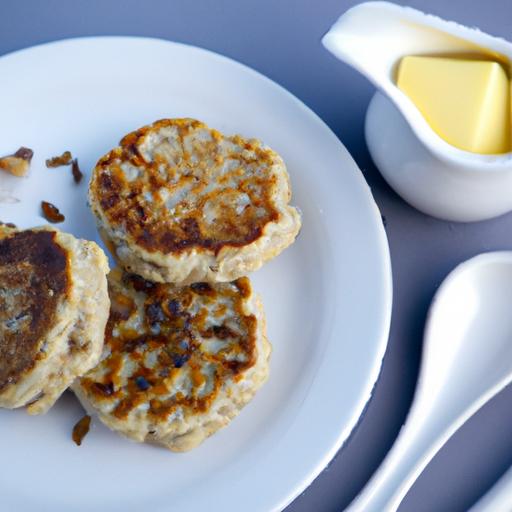

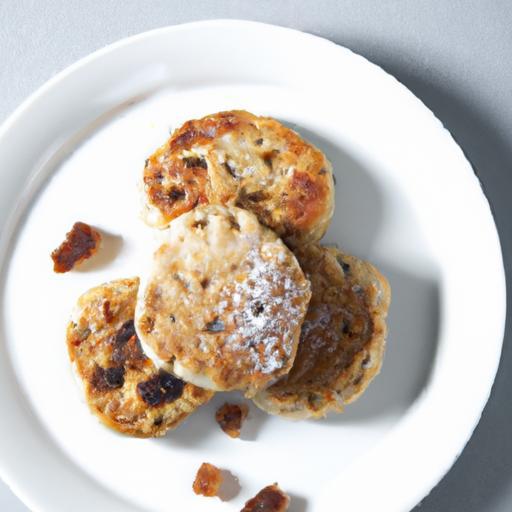
In the heart of Wales, where rolling green hills meet charming village streets, a beloved conventional treat is experiencing a vibrant renaissance. Welsh cakes-those golden,lightly spiced rounds,kissed by a griddle’s warmth-have long held a special place on teatime tables. Now, in an exciting twist that marries heritage with modern dietary needs, these iconic cakes are being reimagined as deliciously gluten-free delights. This culinary evolution not only honors the rich history of Welsh baking but also opens the door for more peopel to savor a slice of Wales’ sweet and buttery legacy. Join us as we explore the rise of gluten-free Welsh cakes, a testament to innovation rooted in tradition.
Deliciously Gluten-free Welsh Cakes reimagined bring a timeless Welsh treasure into the heart of modern kitchens, marrying tradition with innovative twists that excite both the palate and the eye. Originating from rustic Welsh homes where locals gathered around to bake these sweet, griddle-cooked cakes, the gluten-free version preserves the nostalgic charm while inviting a new wave of culinary creativity. Imagine the subtle warmth of cinnamon mingling with bursts of fresh berries, all wrapped in tender, golden cakes-each bite a homage to heritage and a celebration of contemporary flavor.
Prep and Cook Time
- Preparation Time: 15 minutes
- Cooking Time: 20 minutes
- Total Time: 35 minutes
Yield
- Makes approximately 12 medium-sized Welsh cakes
Difficulty Level
- Easy – perfect for both beginners and experienced bakers
Ingredients
- 1¼ cups gluten-free all-purpose flour, sifted (ensure a blend with xanthan gum included)
- 2 tbsp caster sugar (superfine sugar)
- ½ tsp baking powder
- ½ tsp ground cinnamon (optional but aromatic)
- Pinch of salt
- 5 tbsp cold unsalted butter, cubed
- 1 large egg, lightly beaten
- 3 tbsp milk (dairy or plant-based for creaminess)
- ½ cup currants or raisins
- Extra gluten-free flour for rolling
Instructions
- Combine dry ingredients: In a large bowl, whisk together the gluten-free flour, caster sugar, baking powder, ground cinnamon, and salt until evenly mixed.
- Cut in the butter: Using your fingertips or a pastry cutter, rub the cold butter into the dry mixture until it resembles coarse breadcrumbs with some pea-sized lumps.
- Add currants: Stir in the currants to distribute them evenly throughout the flour-butter mixture.
- Incorporate wet ingredients: Make a well in the center and add the beaten egg along with 2 tablespoons of the milk. Gently mix with a fork, gradually incorporating the flour mixture until a soft, slightly sticky dough forms. Add the remaining milk only if the dough is too dry.
- Chill the dough: Wrap the dough in cling film and refrigerate for 20 minutes. This helps the gluten-free flour hydrate properly and prevents spreading while cooking.
- Roll and cut: Lightly flour a clean surface with gluten-free flour. Roll out the dough to about ¼ inch thickness. Using a 3-inch round cutter, cut out circles and place them on a clean sheet of parchment paper.
- Cook on a griddle or skillet: Preheat a heavy non-stick skillet or cast-iron griddle over medium heat. Place Welsh cakes in the pan (work in batches if needed) and cook for 3-4 minutes on each side, or until golden brown and cooked through. Keep the lid off to maintain dry heat and a lovely crust.
- Cool and serve: Transfer to a wire rack to cool slightly. Welsh cakes can be enjoyed warm or at room temperature, traditionally dusted with caster sugar if desired.
Tips for Success
- Butter temperature: Using cold butter ensures a flaky texture; avoid softening it fully.
- Hydration balance: Gluten-free dough can sometimes be tricky; add milk incrementally to avoid a sticky mess.
- resting dough: Chilling not only makes rolling easier but also enhances flavor and texture by allowing the flour to absorb moisture.
- Cooking surface: A heavy skillet distributes heat evenly and helps develop that coveted golden crust without burning.
- Make-ahead: Welsh cakes freeze beautifully. Defrost them at room temperature and refresh gently in a warm skillet before serving.
- Flour swaps: For a nutty twist, try blending almond flour with your gluten-free flour but reduce butter slightly to maintain balance.
Innovative Flavor Twists to Elevate Traditional Welsh cakes
Elevate your gluten-free Welsh cakes by folding in fresh lemon zest and blueberries for a luminous zing that cuts through the sweetness. Alternatively, introduce ground cardamom or nutmeg for warmth that complements autumnal afternoons. Imagine a rich drizzle of dark chocolate sauce,or a scatter of toasted coconut flakes atop warm cakes for textural contrast. These subtle yet impactful innovations turn simple heritage treats into culinary showstoppers.
Pairing and Serving Suggestions for a Memorable Gluten-Free Experience
Present these gluten-free delights with a dollop of softly whipped cream infused with vanilla bean or a smear of locally sourced honey butter. A side of stewed rhubarb or fresh raspberry preserves enhances the natural fruitiness nestled inside. For an indulgent brunch, serve alongside your favorite herbal tea, such as chamomile or mint, or a robust coffee alternative like chicory. Garnish with a sprinkling of caster sugar or edible flowers for a feast as beautiful as it is appetizing.
| Nutritional Information (per cake) | Calories | Protein (g) | Carbohydrates (g) | Fat (g) |
|---|---|---|---|---|
| Approximate Values | 120 kcal | 2.2 g | 18 g | 5.5 g |

For those eager to dive deeper into gluten-free baking artistry, visit our Gluten-Free Baking Basics guide and discover helpful techniques to master other heritage recipes. To understand more about the health benefits of gluten-free flours, consult this Celiac Disease Foundation resource for expert information.
Q&A
Q&A: Deliciously Gluten-Free: The Rise of Welsh Cakes reimagined
Q1: What makes Welsh cakes unique, and why are they a perfect candidate for gluten-free reinvention?
A1: Welsh cakes are beloved traditional treats characterized by their soft, slightly crumbly texture and warm spices like cinnamon and nutmeg. Traditionally cooked on a griddle rather than baked, they have a distinct rustic charm. Their simple ingredients-flour, butter, sugar, and dried fruit-make them an excellent canvas for gluten-free adaptations as the core flavors and techniques can be preserved even when swapping out wheat flour for alternative flours.
Q2: How has the rise of gluten-free diets influenced the popularity of Welsh cakes?
A2: As more people seek gluten-free options due to health or lifestyle choices, Welsh cakes have naturally caught attention for their versatility and comforting indulgence. Innovative bakers have developed gluten-free versions that maintain the authentic taste and texture, allowing those with gluten sensitivities to enjoy this historic Welsh delicacy without compromise. This has sparked renewed interest and inspired creative twists on classic recipes.
Q3: What are some common gluten-free flours used in reimagining Welsh cakes?
A3: Popular gluten-free flours include rice flour, almond flour, and oat flour, ofen combined with binding agents like xanthan gum or psyllium husk to mimic the elasticity of gluten. Some bakers opt for sorghum or buckwheat flour to add a slightly nutty depth,while blends designed specifically for baking help maintain the delicate crumb associated with traditional Welsh cakes.
Q4: Do gluten-free Welsh cakes taste diffrent from the traditional versions?
A4: When done well,gluten-free Welsh cakes can be remarkably close in taste and texture to the original. there might be subtle flavor nuances depending on the flour blend used-for instance,almond flour adds a touch of nuttiness-but the delicious warmth of the spices and the sweetness of currants or raisins remain the stars of the show. Manny find that gluten-free versions offer a pleasantly fresh take on a time-honored favorite.
Q5: What are some creative twists bakers have introduced in gluten-free welsh cake recipes?
A5: Beyond the gluten-free base, bakers are experimenting with new flavor profiles and mix-ins. Think lavender and lemon zest for a floral brightness, or incorporating chopped nuts and seeds for added crunch.Some add a hint of orange or vanilla extract, while others play with alternative dried fruits like cherries or figs. This creative reimagining keeps the tradition alive while inviting new sensory experiences.
Q6: How should gluten-free Welsh cakes be cooked for best results?
A6: Like traditional Welsh cakes, gluten-free ones benefit from slow, even cooking on a griddle or heavy frying pan. Patience is key to achieving a golden-brown exterior without drying out the interior. Because gluten-free doughs may behave differently, adjusting cooking time slightly and monitoring closely helps maintain that perfect balance of soft inside and lightly crisp outside.
Q7: Where can one find gluten-free Welsh cakes or recipes today?
A7: Thanks to their growing popularity, gluten-free Welsh cakes can be found in specialty bakeries, farmers’ markets, and online shops dedicated to gluten-free and artisanal foods. For the adventurous baker, countless recipes are available online, often accompanied by helpful tips and flour blend recommendations, making it easier than ever to bring this Welsh classic into your home kitchen without gluten.
Q8: Why do gluten-free Welsh cakes matter culturally and culinarily?
A8: These reimagined cakes represent more than just a dietary accommodation-they are a way to preserve and celebrate Welsh culinary heritage in an inclusive manner. by reinventing the classic recipe to suit modern needs, gluten-free Welsh cakes bridge tradition with innovation, ensuring that everyone can partake in a cherished ritual of Welsh culture, one delicious bite at a time.
Insights and Conclusions
As the golden hues of traditional Welsh cakes meet the vibrant twist of gluten-free innovation, what emerges is more than just a treat-its a delicious bridge between heritage and modern dietary needs. These reimagined delights not only honor centuries of baking tradition but also invite a broader audience to partake in Wales’ beloved culinary story. So whether you’re celiac, gluten-sensitive, or simply curious, the new wave of gluten-free Welsh cakes promises a taste that’s as inclusive as it is indeed irresistible. In every crumb, there’s a reminder that good food transcends boundaries, inviting us all to savor the sweet, warm embrace of tradition-reinvented for today’s palate.