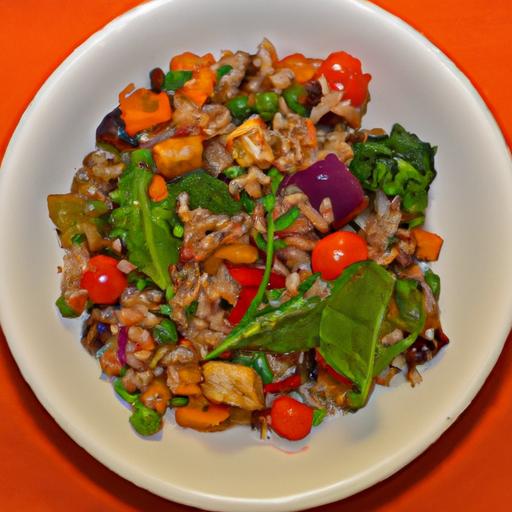




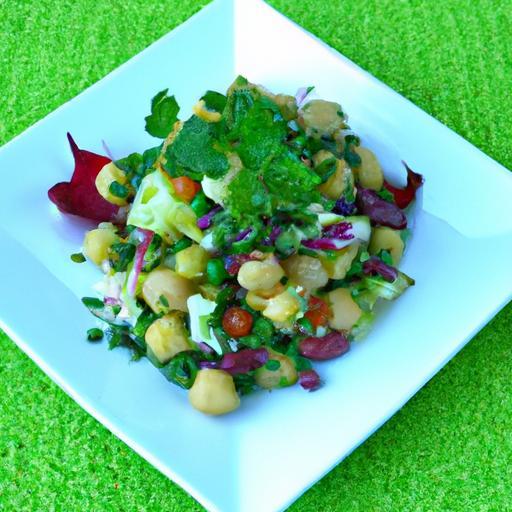
In a world where mindful eating meets mindful spending, embracing a vegan lifestyle doesn’t have to mean emptying your wallet. Welcome to the art of being thrifty and tasty-a harmonious blend of smart budgeting and vibrant plant-based flavors that proves delicious meals and savings can go hand in hand. Whether you’re a seasoned vegan or simply exploring the green side of the plate, this guide unveils savvy strategies to nourish your body and delight your palate without breaking the bank. Get ready to discover how creativity, resourcefulness, and a dash of culinary flair can transform your vegan diet into an affordable adventure that’s as kind to your budget as it is to the planet.
Thrifty & Tasty: Smart Ways to Save on a Vegan Diet begin with stocking your pantry intelligently. Mastering affordable plant-based essentials not only fuels creative meal planning hacks for budget-kind vegan cooking but also helps maximize nutritional value without breaking the bank. Imagine opening your cupboard filled with versatile staples like bulk grains, hearty legumes, and aromatic dried herbs-each ingredient a building block to delicious meals that satisfy both taste buds and your wallet.
Prep and Cook Time
- Readiness: 15 minutes
- Cooking: 30 minutes
Yield
Serves 4 hearty meals
Difficulty Level
Easy – Perfect for beginner and experienced vegan home chefs alike
Ingredients
- 1 cup dry brown lentils, rinsed and picked over
- 1 large onion, finely chopped
- 3 garlic cloves, minced
- 1 cup quinoa, rinsed
- 2 cups low-sodium vegetable broth
- 1 medium carrot, diced
- 1 bell pepper, diced (red or yellow for vibrant color)
- 1 tsp smoked paprika
- 1 tsp ground cumin
- 1/2 tsp turmeric powder
- 2 tbsp olive oil or any budget-friendly neutral oil
- Salt and black pepper to taste
- fresh cilantro or parsley for garnish
- 1 tbsp lemon juice, freshly squeezed
Instructions
- Heat the olive oil in a large saucepan over medium heat. Add the onion and sauté until translucent, about 5 minutes, stirring occasionally to prevent sticking.
- Add the minced garlic and cook for 1 minute until fragrant, stirring constantly.
- Stir in the diced carrot and bell pepper, cooking until they soften, roughly 4-5 minutes.
- Add the rinsed lentils and spices (smoked paprika, cumin, turmeric) to the pan.Toast them briefly with the vegetables to release their aroma, about 2 minutes.
- Pour in the vegetable broth and bring to a gentle boil. Reduce heat to low, cover, and simmer gently for 20 minutes, stirring occasionally to prevent sticking.
- While lentils cook, rinse the quinoa thoroughly in a fine mesh strainer under cold water, than cook separately according to package instructions (typically 1:2 ratio quinoa to water).
- Once lentils are tender and most liquid absorbed, stir in the cooked quinoa and lemon juice. Add salt and pepper to taste.
- Cook uncovered for an additional 2-3 minutes on low heat, allowing flavors to meld and excess liquid to evaporate.
- Remove from heat and let stand covered for 5 minutes before serving for optimum texture.
Chef’s Notes
- Variation Tip: Swap lentils for chickpeas or black beans for a different texture and flavour profile.
- Make-Ahead: This hearty base stores well refrigerated for up to 4 days and freezes beautifully-perfect for thrifty meal prep.
- Maximize nutrition: Mix in a handful of chopped kale or spinach just before finishing cooking to sneak in extra vitamins inexpensively.
- Flavor Boost: Add a splash of gluten-free tamari or soy sauce to create a deeper umami kick without added cost.
Serving Suggestions
Serve this vibrant, protein-packed blend warm over a bed of fresh greens or stuffed into whole-wheat pita pockets. Garnish with sprigs of cilantro or parsley and a drizzle of tahini or a squeeze of additional lemon for brightness. For an added crunch, sprinkle toasted pumpkin seeds or crushed nuts on top to elevate texture and provide extra healthy fats.

| Nutrient | Per Serving |
|---|---|
| Calories | 320 kcal |
| Protein | 18 g |
| Carbohydrates | 45 g |
| Fat | 7 g |
Smart Pantry Essentials for Budget-Friendly Vegan Cooking
Stocking your pantry with affordable staples like dried lentils, quinoa, canned tomatoes, rolled oats, and various beans creates endless possibilities for nutritious and economical meals. Keeping these in bulk reduces cost and minimizes waste.
For creative meal planning hacks for budget-friendly vegan cooking, pair these ingredients with seasonal vegetables, frozen produce on sale, and homemade sauces crafted from simple herbs and spices. This method not only stretches your grocery budget but also ensures every plate is packed with flavor and vital nutrients.
To deepen your knowledge and discover more ways to maximize your vegan lifestyle economically,check out our complete guide on budget vegan meal plans and explore trusted insights on nutrition from ChooseMyPlate.gov.
Q&A
Q&A: Thrifty & Tasty – Smart Ways to Save on a Vegan Diet
Q1: Is eating vegan on a budget really possible, or is it always expensive?
A1: Absolutely possible! Many folks assume vegan eating means pricey superfoods and exotic ingredients, but in reality, you can build delicious, nutritious meals with affordable staples like beans, lentils, rice, frozen veggies, and seasonal produce. It’s all about smart shopping and savvy meal planning.
Q2: What are some staple ingredients that help keep a vegan pantry budget-friendly?
A2: Think versatile and shelf-stable! Stock up on dried beans and lentils, whole grains like oats, rice, and quinoa (especially in bulk), canned tomatoes, frozen vegetables, and nuts or seeds bought in bulk.These ingredients form the backbone of nutritious meals and won’t break the bank.
Q3: How can I make meal planning both economical and appealing?
A3: Start by mapping out a weekly menu based on what’s on sale or in season. Embrace batch cooking-prepare large pots of soups, stews, or chili that can be enjoyed throughout the week or frozen for later. This minimizes food waste and saves both time and money.
Q4: Are there any tips for shopping that can help cut costs without compromising quality?
A4: Definitely! Shop at local farmers’ markets toward closing time for potential discounts, explore ethnic grocery stores where items like tofu, tempeh, and spices might be more affordable, and keep an eye out for bulk bins. Also,buy produce that’s in season or frozen,which is often cheaper but just as nutritious.
Q5: What about protein-how can I get enough without spending a fortune?
A5: Beans, lentils, chickpeas, and split peas are your budget-friendly protein powerhouses. Combining them with grains creates complete proteins. Don’t overlook peanut butter, oats, and tofu; they’re all wallet-wise options loaded with protein.
Q6: How can I make vegan meals exciting without exotic or expensive ingredients?
A6: Creativity is your best friend. Experiment with herbs, spices, citrus zest, and different cooking methods like roasting, grilling, or sautéing. Even simple ingredients can transform with the right seasoning or texture contrast. Plus, mix and match dishes-turn leftovers into wraps, bowls, or snacks.
Q7: Any advice for reducing food waste on a thrifty vegan diet?
A7: use “imperfect” produce that some stores discount due to appearance but tastes just fine. keep veggie scraps to brew your own broth.Get familiar with freezing leftovers and surplus ingredients. Planning portions realistically and rotating meals ensure fewer spoiled foods.
Q8: Can eating seasonally really make a difference in my grocery bill?
A8: Big yes! Seasonal fruits and veggies often taste better and cost significantly less because they’re abundant locally. Plus, embracing seasonal eating introduces variety to your meals throughout the year without needing to splurge on out-of-season imports.
Q9: How can cooking at home impact my budget compared to eating out on a vegan diet?
A9: Cooking at home is usually much more budget-friendly and gives you total control over ingredients, flavors, and portions. Preparing your meals lets you stretch ingredients, avoid costly convenience items, and reduce added sugars or oils.
Q10: Where should I start if I want to embrace a smart, thrifty vegan lifestyle?
A10: Begin by exploring simple recipes featuring affordable staples, gradually build a pantry with versatile ingredients, and track your shopping habits to spot saving opportunities. Remember, thrifty doesn’t mean sacrificing taste or nutrition- it’s a creative journey that turns mindful eating into an art form!
The Conclusion
Embracing a vegan lifestyle doesn’t have to come with a hefty price tag. With a little creativity and planning, you can savor delicious, nutrient-packed meals that nourish both your body and your budget. From savvy shopping tips to clever meal prepping strategies, being thrifty and tasty go hand in hand on this vibrant plant-based journey. So, roll up your sleeves, explore the aisles with intention, and discover that saving smartly on a vegan diet is not just possible-it’s a flavorful adventure waiting to be savored. your wallet and your taste buds will thank you.