
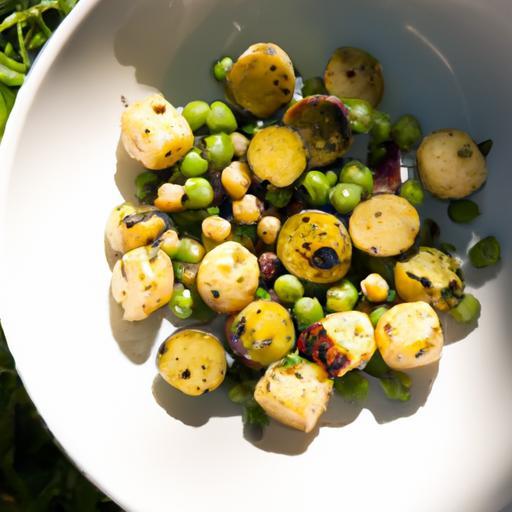
Imagine waking up to birdsong, the crisp morning air filling yoru lungs, and the scent of a freshly prepared meal wafting from your campsite. Embracing the great outdoors doesn’t mean you have to compromise on flavor, nutrition, or your commitment to a plant-based lifestyle. Whether you’re a seasoned vegan adventurer or simply curious about incorporating greener choices into your wilderness excursions, “Green Gourmet: Vegan Meal Prep Tips for Your Camping Trip” is your ultimate guide. From clever packing hacks to easy-to-make recipes that fuel your body and respect the planet, discover how to transform your next camping experience into a flavorful, eco-friendly culinary journey. Ready to eat well under the open sky? Let’s dive in!
Choosing Nutrient-packed Ingredients for Energizing Outdoor Meals
Green Gourmet: Vegan Meal Prep Tips for Your Camping Trip begins with selecting vibrant,nutrient-dense ingredients that not only fuel your adventures but stand up to the rigors of outdoor cooking. Imagine biting into a crisp, fresh kale leaf, its dark green hues bursting with vitamins, or savoring the creamy richness of roasted chickpeas packed with plant proteins.
When you choose ingredients like quinoa, sweet potatoes, and avocados, you add natural energy boosters perfect for sustained activity and recovery. These sturdy staples are easy to carry,durable,and provide a broad spectrum of essential nutrients – crucial when you’re miles away from convenience stores.
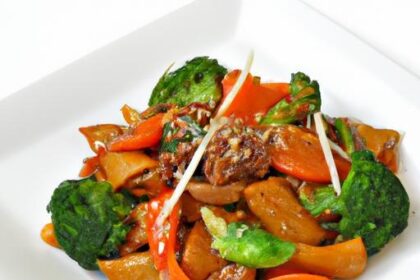
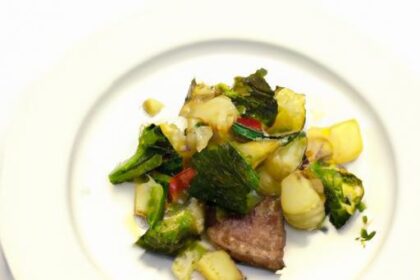
For your trip, incorporate seasonal, minimally processed produce and whole grains-think sprouted lentils, nutrient-dense nuts, seeds, and dried fruits. These ingredients travel well, resist spoilage, and seamlessly integrate into flavorful one-pot meals, salads, and wraps. Visually, the vibrant colors of fresh peppers, purple cabbage, and bright orange carrots bring your plate to life, making every meal feel like a party in the wild.
Mastering Easy and Durable Vegan Recipes Perfect for Camping
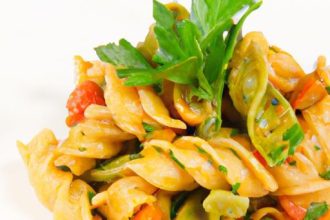
Simple, hearty, and packed with flavor is the mantra here. When crafting meals for outdoor dining, aim for recipes that balance nutrition and ease. One standout is a Moroccan-spiced quinoa and roasted chickpea bowl, which combines earthy spices, crunchy textures, and fresh herbs.This dish not only energizes but keeps well in reusable containers for days.
Another masterstroke is dehydrated vegetable soups or pre-soaked beans that dramatically reduce cook time.Opt for recipes requiring minimal equipment and fire management-like a no-fuss lentil stew cooked in a single pot. The secret is layering flavors with bold spices such as cumin, coriander, turmeric, and smoked paprika, alongside fresh lemon juice added at the end to brighten the dish.
Smart Storage Solutions to Keep Your Vegan Ingredients Fresh
When packing vegan ingredients for outdoor cooking, fresh is fabulous but longevity is key. Use airtight, BPA-free containers and resealable silicone bags that protect against moisture and pests. Vacuum-sealing staples like nuts and grains prevents oxidation and extends shelf life.
For fresh greens and herbs, wrap them lightly in damp, breathable cloth and place them in insulated coolers with ice packs.Freeze-dried or dehydrated fruits and vegetables offer incredible convenience, preserving nutrients while saving weight and space. Labeling your containers clearly helps with fast access and reduces waste.
Essential Cooking Gear for Preparing Green gourmet Meals in the Wild
Lightweight, multifunctional, and durable gear is essential for green gourmet success on the trail. A compact camping stove with reliable simmer control allows precise cooking of delicate vegan grains and legumes. Consider nesting pots made of titanium or hard-anodized aluminum, which are easy to clean and conduct heat evenly.
A good-quality sharp knife, a foldable cutting board, and silicone spatulas improve prep ease and hygiene. Don’t forget a fine-mesh strainer for rinsing grains and beans, plus reusable utensils and eco-friendly plates and cups to complete your setup sustainably. Lastly, a small spice box packed with essentials like sea salt, black pepper, garlic powder, and dried herbs will elevate every meal from basic to gourmet without bulk.
Prep and Cook Time
Prep: 15 minutes | Cook: 30 minutes | Total: 45 minutes
Yield
Serves 4
Difficulty Level
Easy
Ingredients
- 1 cup quinoa, rinsed and drained
- 1 can (15 oz) chickpeas, drained and rinsed
- 2 tbsp olive oil
- 1 tsp ground cumin
- 1 tsp smoked paprika
- 1/2 tsp turmeric powder
- 1/2 tsp ground coriander
- 1 medium sweet potato, peeled and diced into 1/2-inch cubes
- 1 red bell pepper, diced
- 2 cups kale, finely chopped, tough stems removed
- 1/4 cup fresh parsley, chopped
- 2 tbsp lemon juice, freshly squeezed
- 1/4 cup toasted pumpkin seeds (optional, for garnish)
- Salt and black pepper to taste
Instructions
- Preheat your camp stove or portable burner and place a medium pot over medium heat.Toast the rinsed quinoa for 2-3 minutes, stirring frequently, until it begins to smell nutty.
- Add 2 cups of water and a pinch of salt to the pot. Bring to a boil, then reduce heat to low, cover, and simmer for 15 minutes or until the water is absorbed and quinoa is fluffy.
- While the quinoa cooks,toss the chickpeas and sweet potato cubes in olive oil,cumin,smoked paprika,turmeric,coriander,salt,and pepper. Spread the mixture on a campfire-safe pan or cast-iron skillet.
- Cook the chickpea and sweet potato mixture over medium heat, stirring occasionally, for about 15 minutes.The chickpeas should become golden and slightly crispy; the sweet potatoes tender but not mushy.
- Add diced red bell pepper and kale to the skillet. Sauté gently for 3-5 minutes until kale wilts and peppers soften slightly.
- remove from heat. Stir in freshly squeezed lemon juice and chopped parsley for freshness and bright flavor.
- Serve the spiced quinoa topped with the sautéed chickpeas and vegetables. Sprinkle with toasted pumpkin seeds for added crunch and nutrition.
Chef’s Notes
- Ingredient swaps: Use millet or couscous in place of quinoa for variety, or swap sweet potatoes with butternut squash cubed similarly.
- Make ahead: Cook quinoa and roast chickpeas at home and pack them separately for easy assembly at camp.
- Storage tip: Keep chickpeas and spices in airtight containers to prevent moisture and retain crispness.
- Flavor boost: Add a drizzle of tahini or a sprinkle of nutritional yeast before serving for an umami twist.
Serving Suggestions
Plate your hearty bowl with a garnish of vibrant microgreens or fresh cilantro leaves. Serve alongside homemade flatbread or crunchy seed crackers for texture contrast. A wedge of fresh lemon on the side invites guests to brighten their meal further. Pair with a refreshing cucumber-mint water infusion or a chilled hibiscus tea for a complete, energy-boosting outdoor feast.

| Nutrient | Per Serving |
|---|---|
| Calories | 320 kcal |
| Protein | 12 g |
| Carbohydrates | 45 g |
| Fat | 8 g |
For more inspiration on plant-based outdoor cooking, check out our vegan camping recipes collection. To understand the powerful health benefits of legumes and grains, visit this Harvard Nutrition Source guide.
Q&A
Q&A: Green Gourmet – Vegan Meal Prep Tips for Your Camping Trip
Q1: Why choose vegan meals for camping?
A1: Vegan meals are not only lighter and easier to pack, but thay also minimize environmental impact-perfect for nature lovers who want to tread lightly. Plant-based ingredients tend to generate less waste and require fewer resources,making your camping trip truly green and guilt-free.
Q2: What are the best plant-based proteins to bring on a camping adventure?
A2: think versatile and nutrient-dense: lentils, chickpeas, black beans, tofu, tempeh, and quinoa are fantastic choices. They’re lightweight when dehydrated or canned and provide lasting energy for those hiking trails or setting up camp.
Q3: How can I prepare meals ahead of time without losing flavor or nutrition?
A3: batch cook your grains and beans, then mix in dried herbs, spices, and a splash of olive oil before portioning. freeze individual servings in reusable silicone bags or containers. When camping, simply reheat over the campfire or portable stove-flavors meld beautifully overnight!
Q4: What’s a simple, no-cook vegan meal perfect for the first night in the wild?
A4: Overnight oats jazzed up with dried fruit, nuts, and a drizzle of maple syrup are a cozy, nutrient-packed start. Or try a vibrant chickpea salad with sun-dried tomatoes, cucumbers, fresh lemon juice, and crushed red pepper for a fresh, crunchy bite with zero stove time.
Q5: How can I keep fresh produce edible on longer trips?
A5: Choose hardy fruits and veggies like carrots, apples, bell peppers, and kale-they stay fresh longer without refrigeration. For delicate items, pack in insulated containers with ice packs and consume within the first couple of days. Another pro tip: dry or dehydrate extra produce at home to rehydrate on the trail.
Q6: What vegan camping snacks keep energy levels up between meals?
A6: Trail mix with nuts, seeds, dried fruit, dark chocolate bits, and coconut flakes energizes and satisfies. Also consider roasted chickpeas, seaweed snacks, or homemade granola bars packed with oats and nut butter for a crunchy, protein-rich pick-me-up.
Q7: Can dehydrated meals really save space and cooking time?
A7: Absolutely! Dehydrated vegan meals preserve nutrients and flavors while dramatically reducing bulk and weight. From spiced lentil stews to veggie-packed noodles, these meals only need hot water to come alive-ideal for minimalist campers.
Q8: How do I ensure my vegan meal prep stays eco-friendly on the trail?
A8: Use reusable containers, beeswax wraps, and compostable bags to minimize waste. Collect any packaging you bring and pack it out. Also, choose ingredients sourced from local, organic farms when possible, supporting sustainable agriculture even while away.
Q9: Any tips for cooking vegan meals over an open fire?
A9: Opt for one-pot recipes to keep cleanup easy-think quinoa chili or vegetable stir-fries. Use cast iron or a sturdy camping pot, and pre-chop ingredients to speed up cooking. Remember, smoky char can add an unexpected depth of flavor to your plant-based dishes!
Q10: How can I keep hydration in mind while enjoying vegan camping foods?
A10: Manny plant-based ingredients like cucumbers, watermelon, and citrus fruits have high water content-perfect for topping up fluids naturally. Don’t forget to drink plenty of water, and consider infused water with mint or lemon for an energizing twist on the trail.Embark on your next adventure with vibrant, eco-friendly vegan meals that fuel your body and honor the outdoors-as great food and green living belong on every trail!
In Summary
As you lace up your hiking boots and zip up your tent, remember that embracing green gourmet on your camping trip is more than just a meal choice-it’s a statement of harmony with nature. With these vegan meal prep tips in your backpack, you’re not only fueling your adventure with wholesome, vibrant foods but also treading lightly on the earth you explore. So go ahead,savor the crisp crunch of fresh veggies under the starry sky,and let every bite be a celebration of sustainability and flavor on the trail. Happy camping, and may your green journey be as satisfying as it is eco-friendly!