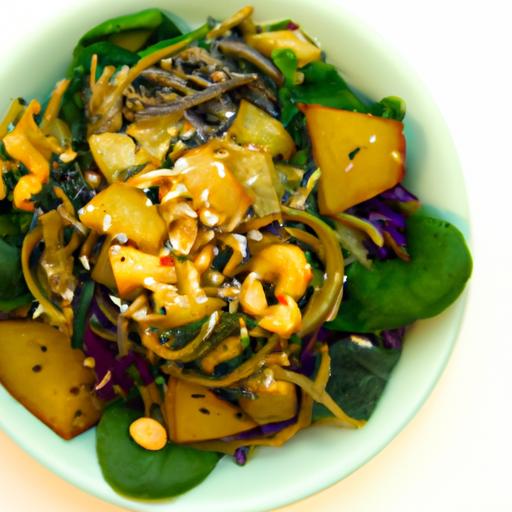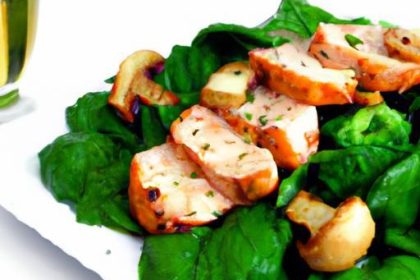



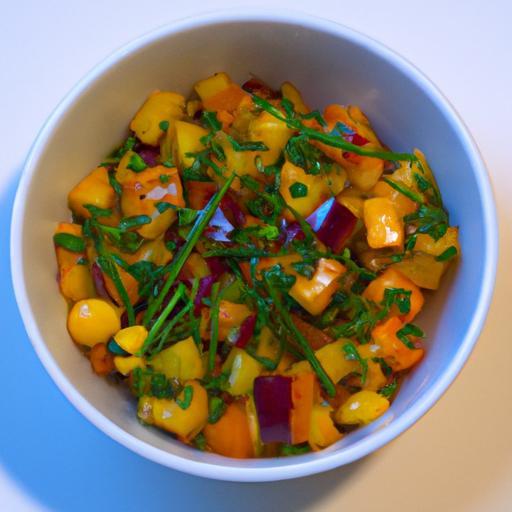
In a world mindful of our environmental impact, Zero Waste Vegan Meal Prep turns sustainable, plant-based eating into easy, flavorful meals. Fuel your body, minimize waste, and make your kitchen kinder to the planet with practical tips and strategies. Savor sustainability, one bite at a time with Zero Waste Vegan Meal Prep!
Smart Ingredient Selection for Minimal Food Waste
Zero Waste Vegan Meal Prep: Eco-Friendly Eats Made Easy begins with thoughtful ingredient choices that honor both the environment and your kitchen budget. Zero Waste Vegan Meal Prep focuses on selecting versatile, whole-plant foods with minimal packaging to maximize every bite and reduce waste. Opt for robust root vegetables like carrots and beets, whose skins can be repurposed into flavorful broths. Kale stems, often discarded, can be finely chopped and added to stir-fries or smoothies, breathing new life into parts typically tossed. When buying grains and legumes, bulk-friendly options let you measure exactly what you need, preventing leftovers from languishing in your pantry.
Embracing seasonal farmers’ market finds supports local growers, cuts transport emissions, and provides fresh, low-plastic ingredients. Zero Waste Vegan Meal Prep builds meals around these thoughtfully chosen staples, encouraging creativity and turning potential waste into culinary gold.
Prep and Cook Time
- Preparation: 20 minutes
- Cooking: 40 minutes
Yield
- Serves 4 hearty portions
Difficulty Level
- Easy to Medium - accessible for home cooks keen on sustainability
Ingredients
- 1 cup dry quinoa,rinsed
- 2 large carrots,peeled and diced (reserve peels for broth)
- 1 bunch kale stems and leaves,stems chopped finely
- 1 cup cooked black beans (or canned,rinsed)
- 1 red bell pepper,diced
- ½ cup chopped onions
- 3 cloves garlic,minced
- 1 tbsp olive oil
- 1 tsp smoked paprika
- Salt and freshly ground black pepper,to taste
- 2 tbsp fresh lemon juice
- Fresh parsley or cilantro,chopped,for garnish
Instructions
- Prepare the quinoa: In a medium pot,combine rinsed quinoa with 2 cups water.Bring to a boil, then cover and simmer on low for 15 minutes until water is absorbed.Fluff with a fork and set aside to cool slightly.
- Sauté the aromatics: Heat olive oil in a large skillet over medium heat. Add onions and garlic, sauté until fragrant and translucent, about 4 minutes.
- add vegetables: Stir in diced carrots, chopped kale stems, and red bell pepper. cook until vegetables are tender, around 8-10 minutes, stirring occasionally to prevent sticking.
- Season and combine: Sprinkle in smoked paprika, salt, and pepper. Stir to evenly coat the veggies. Add cooked black beans and quinoa, mixing thoroughly to blend flavors.
- Finish with freshness: remove skillet from heat. Drizzle lemon juice over the mixture and toss gently.
- Cool and portion: Transfer the mixture into airtight containers for batch cooking. Garnish with fresh parsley or cilantro just before serving.
- Bonus tip: Simmer the reserved carrot peels and kale stems in water with a pinch of salt for 20 minutes to create a savory vegetable broth base for your next recipe.
Batch Cooking Tips for Sustainable Plant-Based Meals
Investing time into batch cooking drastically cuts down food waste while saving you from daily meal prep stress. Portion out meals into reusable glass containers with vented lids that breathe, preventing soggy textures and flavor loss. always allow warm foods to cool fully at room temperature before sealing to avoid condensation, which accelerates spoilage.Rotate stored meals by placing newest containers behind older ones, encouraging consumption before expiration. Embrace versatile staples like quinoa and beans that reheat beautifully, allowing you to customize meals throughout the week with fresh herbs, roasted nuts, or seasonal veggies from your fridge.
Eco-Friendly Storage Solutions to Keep Meals fresh Longer
Choosing the right storage methods is essential to prolonging freshness while staying eco-aware. Replace single-use plastic wrap with beeswax wraps or silicone lids, which mold snugly over bowls and plates. Invest in airtight glass jars for dry goods and layered salads; their transparency helps you track ingredient freshness at a glance. For freezer storage, freezer-safe glass or BPA-free silicone containers reduce harmful leaching and microplastic pollution. Label your meals with compostable chalkboard tags or masking tape and a marker to keep track of cooking dates. These small changes culminate in a sustainable kitchen rhythm that respects the earth and your palate.
| Nutrition | Per Serving |
|---|---|
| Calories | 320 kcal |
| Protein | 12 g |
| Carbohydrates | 48 g |
| Fat | 6 g |
For inspiration on transforming leftover vegetable scraps into delicious broths and sauces, check out our Vegan kitchen leftovers Recipes. To deepen your understanding of food waste’s environmental impact, consult EPA’s sustainable food management guide.

Q&A
Q&A: Zero Waste Vegan Meal Prep – Eco-friendly Eats Made Easy
Q1: What exactly is zero waste vegan meal prep,and why should I try it?
A1: Zero waste vegan meal prep is all about planning,cooking,and storing your plant-based meals in a way that minimizes food waste and packaging trash. It’s a delicious fusion of sustainability and convenience-helping you reduce your environmental footprint while enjoying vibrant, nutrient-packed dishes all week long. Plus, it transforms meal prep from a chore into a mindful, creative ritual!
Q2: How can I start zero waste vegan meal prep if I’m new to both veganism and sustainability?
A2: Start simple by focusing on whole, plant-based foods like grains, legumes, fresh and frozen vegetables, nuts, and seeds-bought in bulk when possible. Stock up on reusable containers, beeswax wraps, and cloth produce bags. Plan your meals to use ingredients across multiple dishes so nothing goes to waste. Remember, zero waste doesn’t mean perfection; it’s about progress and mindful choices.
Q3: What are some smart ingredient swaps to reduce waste in my vegan recipes?
A3: Rather of single-use packaged items,opt for bulk refills of pantry staples like rice,lentils,and oats using your own glass jars. Use vegetable scraps-carrot tops, beet greens, onion skins-to make flavorful broths or compost for your garden. For condiments, make homemade nut butters, sauces, or dressings in batches and store them in reusable jars. The goal is to maximize every ingredient’s potential!
Q4: How do I store prepped vegan meals to maintain freshness while staying eco-friendly?
A4: Use glass containers with airtight lids or stainless steel lunch boxes rather of disposable plastic. Beeswax wraps are perfect for covering bowls or wrapping sandwiches. For freezing, silicone bags or glass containers with space on top work well. Label your meals with recyclable paper tags or washable markers to keep track-this keeps food fresh, waste low, and your fridge organized.
Q5: Can zero waste meal prep save me money despite the initial eco-friendly purchases?
A5: Absolutely! Bulk buying and cooking in larger batches reduce the cost per meal substantially. Less food waste means fewer grocery runs and lower bills. Investing in reusable containers, though a bit pricier upfront, pays off quickly as you stop buying disposable plastic. Over time, your wallet and the planet will thank you.
Q6: What are some beginner-friendly zero waste vegan meal prep ideas?
A6: Try making a giant pot of chickpea and vegetable stew where the broth uses carrot tops and onion skins, then portion it out into glass jars. Prepare overnight oat jars with rolled oats, nuts, and fresh fruit sealed with reusable lids. Roast a medley of colorful root vegetables and quinoa to mix and match during the week. Each meal is flexible, nutrient-dense, and waste-conscious.
Q7: How can I handle leftovers and food scraps without creating waste?
A7: Transform leftovers into new meals-think stir-fries, wraps, or grain bowls. Freeze extra portions for later. For food scraps, start a compost bin or worm farm at home to create nutrient-rich soil. If composting isn’t an option, look for community gardens or local programs that accept organic waste. Every peel and stem has a second life!
Q8: Any tips for shopping zero waste while sticking to a vegan lifestyle?
A8: hit up farmers’ markets where you can bring your own bags and buy unpackaged produce. Look for stores with bulk bins for beans, grains, nuts, and spices. Bring your jars or containers for tofu, tempeh, or fresh baked goods. Prioritize seasonal, local produce to reduce carbon footprints. The magic is in mindful purchases that honor the planet’s resources.
Q9: What if I don’t have a lot of time for meal prep-can zero waste vegan cooking still fit my busy life?
A9: Definitely! Focus on batch cooking a few base ingredients-like cooking grains, roasting vegetables, and preparing sauces-in one go during the weekend. Mix and match these staples throughout the week to create different meals quickly. This way, you save time daily and still avoid waste with thoughtful portioning and storage.
Q10: How can I stay motivated on a zero waste vegan meal prep journey?
A10: Celebrate small wins-each waste-free meal is a step toward a healthier planet. Join online communities or local groups for inspiration and support. Experiment with colorful, seasonal produce that excites your taste buds. Keep a food journal to track savings and waste reduction. Remember,your mindful choices ripple outward in ways you might not even see!
Embrace zero waste vegan meal prep as a joyful,sustainable adventure that nourishes both your body and the Earth-one vibrant jar at a time!
In Retrospect
Embracing zero waste vegan meal prep isn’t just a trend-it’s a powerful step toward nurturing both your body and the planet.By thoughtfully planning your meals,repurposing leftovers,and choosing sustainable ingredients,you transform everyday cooking into an eco-friendly ritual that reduces waste and celebrates mindful living. So, as you gather your jars, chop your veggies, and fill your freezer with vibrant plant-based meals, remember: each bite is a small but meaningful act of care for our shared home. Here’s to delicious, conscious eating-made easy, made sustainable, made for you.